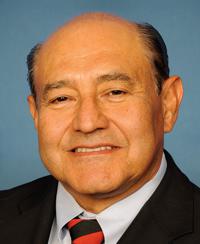
United States · United States Congress · 12 June 2019
Humanitarian Standards for Individuals in Customs and Border Protection Custody Act This bill imposes requirements and standards related to the care of aliens in U.S. Customs and Border Protection (CBP) custody. CBP shall conduct an initial health screening of each alien in custody to identify those with acute conditions and high-risk vulnerabilities and to provide appropriate healthcare. CBP shall conduct the screening within 12 hours of each alien's initial detention, and within 3 hours for certain priority individuals such as children, pregnant women, and those with disabilities. The bill imposes various requirements related to the services, personnel, and infrastructure for providing such screenings, such as providing interpreters, chaperones, and mental health treatment when necessary. CBP shall ensure detainees have access to drinking water, toilets, sanitation facilities, hygiene products, food, and shelter. The bill imposes certain standards relating to such requirements, such as the minimum amount of drinking water and space for each detainee. The Department of Homeland Security (DHS) shall enter into memoranda of understanding with various emergency government relief agencies to address instances when surge capacity is necessary. The Inspector General of DHS shall conduct unannounced inspections of ports of entry, border patrol stations, and detention facilities and report the results to Congress. The Government Accountability Office shall assess CBP's management of such facilities and whether CBP and DHS processes are in compliance with this bill's requirements.
United States · United States Congress · 12 June 2019
No Federal Funds for Public Charge Act of 2019 This bill prohibits the use of federal funds to implement, administer, enforce, or carry out the proposed Department of Homeland Security rule entitled Inadmissibility on Public Charge Grounds . The rule makes aliens who are likely at any time to become a public charge and receive certain public benefits inadmissible.
United States · United States Congress · 11 June 2019
Land and Water Conservation Fund Permanent Funding Act This bill makes permanent, beginning in FY2020, funding for the Land and Water Conservation Fund (LWCF). The President shall annually submit to Congress specified details regarding the allocation of funds to the LWCF. Congress may provide for alternate allocations using specified procedures.
United States · United States Congress · 11 June 2019
Transportation Emergency Relief Funds Availability Act This bill revises the treatment of deadlines for federal-aid highways and public transportation projects emergency relief funds awarded by the Department of Transportation (DOT). The bill repeals the current two-year deadline for emergency relief projects to advance to the construction obligation stage. DOT must allow up to six years for projects funded through an emergency relief program to advance to construction. The new six-year deadline starts following the date on which a disaster was declared by a state's governor or the President.
United States · United States Congress · 11 June 2019
Improving Mental Health Access for Students Act This bill requires institutions of higher education (IHEs) that participate in federal student aid programs to share contact information for suicide prevention resources with students. If IHEs distribute student identification cards, then they must include on the cards phone numbers for the National Suicide Prevention Lifeline, the Crisis Text Line, and a campus mental-health center or program. If IHEs do not create such cards, then they must publish the numbers on the IHEs' websites.
United States · United States Congress · 10 June 2019
CECL Consumer Impact and Study Bill of 2019 This bill directs the Securities and Exchange Commission and federal financial regulators to report on the implementation of the Current Expected Credit Losses (CECL) accounting standard and its impact on credit availability, capital requirements, financial institutions, and nonfinancial institutions. Required compliance with the CECL standard is delayed until one year after submission of this report.
United States · United States Congress · 6 June 2019
Homeownership for Dreamers Act This bill prohibits federal mortgage providers from limiting insurance eligibility on the basis of the mortgagor's participation in the Deferred Action for Childhood Arrivals Program.
United States · United States Congress · 6 June 2019
75th Anniversary of the End of World War II Commemorative Coin Act This bill directs the Department of the Treasury to mint and issue up to 50,000 $5 coins, 500,000 $1 coins, and 750,000 half-dollar coins in commemoration of the 75th anniversary of the end of World War II. The coins shall be emblematic of the sacrifices made by millions of people of the United States 75 years ago in bringing an end to World War II. The design on each coin shall represent the World War II Victory Medal, which was awarded to all 16 million U.S. military personnel who served from December 7, 1941, to December 31, 1946. The bill requires all sales of such coins include specified surcharges, which shall be paid by Treasury to the congressionally designated National WWII Museum to fund its educational mission of telling the story of the U.S. experience in World War II.
United States · United States Congress · 5 June 2019
South Asian Heart Health Awareness and Research Act of 2019 This bill establishes, or authorizes to be established, programs that support heart-disease research and awareness among the South Asian population of the United States. Specifically, the Centers for Disease Control and Prevention must award grants to states for awareness initiatives, educational materials, and research catalogs regarding the prevalence of heart disease, including the association of type 2 diabetes, with respect to the South Asian population. The National Institutes of Health may also award grants to support research in this area.
United States · United States Congress · 5 June 2019
Designates the facility of the United States Postal Service located at 8520 Michigan Avenue in Whittier, California, as the "Jose Ramos Post Office Building."
United States · United States Congress · 5 June 2019
Domestic Terrorism Documentation and Analysis of Threats in America Act or the Domestic Terrorism DATA Act This bill establishes new requirements to expand the availability of information on domestic terrorism, as well as the relationship between international terrorism and domestic terrorism. Specifically, the bill requires the Department of Homeland Security (DHS), the Department of Justice, and the Federal Bureau of Investigation to submit joint reports on domestic terrorism. Additionally, the Science and Technology Directorate within DHS must do the following: create a National Center for the Study of Domestic Terrorism to advance research on trends in domestic terrorism, and report on international terrorism that has a nexus to such trends.
United States · United States Congress · 5 June 2019
Gay and Trans Panic Defense Prohibition Act of 2019 This bill generally prohibits a federal criminal defendant from asserting, as a defense, that the nonviolent sexual advance of an individual or a perception or belief of the gender, gender identify or expression, or sexual orientation of an individual excuses or justifies conduct or mitigates the severity of an offense.
United States · United States Congress · 5 June 2019
Every Child Deserves a Family Act This bill prohibits discrimination on the basis of sexual orientation, gender identity, marital status, or religion in the provision of child welfare programs and services by entities receiving federal funding. The Department of Health and Human Services (HHS) must provide technical assistance to help states follow this requirement, including (1) guidance for bringing state laws into compliance, (2) developing training to increase cultural competency related to social identity, and (3) training for judges and attorneys involved in child welfare cases, among other supports. Additionally, HHS must establish the National Resource Center on Safety, Well-Being, Placement Stability, and Permanency for LGBTQ Children and Youth Involved with Child Welfare Services to provide training, technical assistance, and guidance to applicable state and local agencies and service providers. Further, the Religious Freedom Restoration Act may not be the basis for challenging the application or enforcement of this bill. The Government Accountability Office must study and report on states' compliance with the requirements of the bill no later than three years after enactment.
United States · United States Congress · 5 June 2019
Improving Seniors' Timely Access to Care Act of 2019 This bill establishes several prohibitions, requirements, and standards relating to prior authorization processes under Medicare Advantage (MA) plans. Specifically, the bill prohibits MA plans from instituting additional prior authorization requirements for surgeries (including related items) that are furnished to a patient during other surgeries for which prior authorization was not required or was already received. Additionally, MA plans must (1) establish an electronic prior authorization program that meets specified standards, including the ability to provide real-time decisions in response to requests for items and services that are routinely approved; (2) annually publish specified prior authorization information, including the percentage of requests approved and the average response time; and (3) meet other standards, as set by the Centers for Medicare & Medicaid Services, relating to the quality and timeliness of prior authorization determinations.
United States · United States Congress · 4 June 2019
Federal Extreme Risk Protection Order Act of 2019 This bill authorizes and establishes procedures for federal courts to issue extreme risk protection orders. An extreme risk protection order is a federal court order that prohibits a person from purchasing, possessing, or receiving a firearm or ammunition. A family or household member, or a law enforcement officer, may petition for an extreme risk protection order with respect to an individual who poses a risk to themselves or others. The bill also expands the categories of persons who are prohibited from purchasing, shipping, transporting, possessing, or receiving a firearm or ammunition. Specifically, it adds, as a new category, persons who are subject to an extreme risk protection order.
United States · United States Congress · 4 June 2019
Affordable Housing Credit Improvement Act of 2019 This bill revises provisions of the low-income housing tax credit and renames it as the affordable housing credit . The bill increases the per capita dollar amount of the credit and its minimum ceiling amount beginning in 2019 and extends the inflation adjustment for such amounts. The bill modifies tenant income eligibility requirements and the average income formula for determining such income. It also revises rules for student occupancy of rental units and tenant voucher payments and prohibits any refusal to rent to victims of domestic abuse. The bill further modifies the credit to establish a 4% minimum credit rate for certain housing projects, repeal the qualified census tract population cap, prohibit local approval and contribution requirements, increase the credit for certain projects designated to serve extremely low-income households, increase the credit for certain bond-financed projects designated by state agencies, eliminate the basis reduction for properties that receive certain energy-related tax benefits, and increase the population cap for difficult development areas (i.e., areas with high construction, land, and utility costs relative to area median gross income). The bill also includes Indian and rural areas as difficult development areas and modifies other requirements relating to casualty losses, acquisition credits, and foreclosures.
United States · United States Congress · 23 May 2019
Designates the facility of the United States Postal Service located at 13308 Midland Road in Poway, California, as the "Ray Chavez Post Office Building."
United States · United States Congress · 23 May 2019
Honoring All Veterans Act This bill adds the following as a mission statement for the Department of Veterans Affairs: "To fulfill President Lincoln's promise to care for those 'who shall have borne the battle' and for their families, caregivers, and survivors."
United States · United States Congress · 23 May 2019
Women's Health Protection Act of 2019 This bill prohibits state or local governments from imposing certain restrictions on access to abortion services. Specifically, state or local government may not require unnecessary tests or procedures in connection with the provision of abortion services, the same health care provider who provides abortion services to perform such tests or procedures, providers to offer medically inaccurate information to patients before or during abortion services, providers to refrain from prescribing certain drugs, certain hospital facility transfer agreements, one or more medically unnecessary in-person visits, or patients to disclose the reason for seeking abortion services. The bill also prohibits limitations or requirements that both single out and impede access to abortion services based on a number of factors (e.g., restrictions that are reasonably likely to decrease the availability of abortion services in a state). A state or local government also may not prohibit abortions prior to fetal viability nor prohibit abortions after fetal viability in cases where the health care provider determines that continuing the pregnancy poses a risk to the patient's life or health. Additionally, the Department of Justice, individuals, or health care providers may bring a lawsuit to prospectively enjoin a limitation or restriction that is prohibited by this bill. The bill further requires the government defending such a limitation or restriction to show that (1) it significantly advances the safety of abortion services or patient health, and (2) such advancement cannot be met by a less-restrictive measure.
United States · United States Congress · 20 May 2019
Marijuana Freedom and Opportunity Act This bill decriminalizes marijuana. Specifically, it removes marijuana from the list of scheduled substances under the Controlled Substances Act and eliminates criminal penalties for an individual who imports, exports, manufactures, distributes, or possesses with intent to distribute marijuana. Additionally, the bill does the following: establishes a trust fund to assist women-owned and minority-owned marijuana businesses, requires federal research on the impacts of marijuana use on highway safety and public health, authorizes federal restrictions on the marketing of marijuana-related products, and authorizes grants for state and local governments to expunge or seal convictions for marijuana possession.
United States · United States Congress · 20 May 2019
Humane Retirement Act This bill requires animal care committees at entities that receive federal funds for biomedical or behavioral research to make reasonable efforts to find parties to adopt dogs and cats that have been retired from research. Prior to euthanizing, the animal care committee must assess the temperament of the dog or cat to determine whether it is suitable for adoption and, if so, make reasonable efforts to offer the dog or cat to an adopting party.
United States · United States Congress · 17 May 2019
Filipino Veterans Fairness Act of 2019 This bill deems certain service performed before July 1, 1946, in the organized military forces of the Philippines and the Philippine Scouts, to be active military service for purposes of eligibility for veterans benefits through the Department of Veterans Affairs (VA). In determining eligibility under this bill, the VA must take into account any relevant service documentation, including documentation other than the Missouri List (certain military service records).
United States · United States Congress · 17 May 2019
This resolution supports the goals and ideals of an International Day Against Homophobia, Transphobia, and Biphobia. The resolution encourages (1) health care providers to offer culturally and clinically competent care to the lesbian, gay, bisexual, and transgender (LGBT) community; (2) schools to support the creation of gay-straight alliances; (3) individuals to learn about national resources for those who identify as LGBT; and (4) funding organizations, aid efforts, and governments to prioritize the health and human rights of LGBT people.
United States · United States Congress · 16 May 2019
Improving Access to Nutrition Act of 2019 This bill repeals certain work requirements for the Supplemental Nutrition Assistance Program (SNAP, formerly known as the food stamp program). (Under current law, the requirements apply to able-bodied adults who are ages 18-49 and have no dependent children. Individuals who do not meet certain work requirements are generally prohibited from receiving more than 3 months of SNAP benefits over a 36-month period.)
United States · United States Congress · 15 May 2019
Protecting Access to Lifesaving Screenings Act of 2019 or the PALS Act This bill makes a series of changes relating to health insurance coverage of screening mammography. Specifically, the bill requires that any provision of law referring to current recommendations of the U.S. Preventive Services Task Force (USPSTF) with respect to breast cancer screening mammography be administered as if (1) the provision referred to USPSTF recommendations last issued before 2009; and (2) those recommendations applied to any screening mammography modality, including any digital modality of such a procedure. This requirement shall also apply to the Veterans Health Administration's policy on mammography screening for veterans. In addition, the bill preserves Medicare coverage for screening mammography, without a requirement for coinsurance, and expands the definition of screening mammography to include any digital modality of such a procedure. Further, the Centers for Medicare & Medicaid Services may not decrease the frequency with which screening mammography may be paid by Medicare for a woman over 39 years of age. In 2009, the USPSTF updated its guidelines to recommend against routine screening mammography for women between 40 to 49 years of age and to recommend biennial, instead of annual, screening mammography for most women between 50 to 74 years of age. In 2015, through the appropriations process, a three-year moratorium was placed on implementing the guidelines; the moratorium was subsequently renewed until January 1, 2020.
United States · United States Congress · 15 May 2019
Protecting LGBTQ Youth Act This bill expands programs that prevent and treat child abuse and neglect to address issues facing lesbian, gay, bisexual, and transgender youth. Specifically, these programs include (1) research and reporting requirements, (2) providing technical assistance, (3) grants to states and local agencies to train child-welfare personnel, and (4) community-based prevention-service grants, among others.
United States · United States Congress · 15 May 2019
This bill prohibits the Department of Housing and Urban Development (HUD) from implementing, administering, enforcing, or in any manner making effective the proposed rule titled Housing and Community Development Act of 1980: Verification of Eligible Status , issued on May 10, 2019, or any final rule based substantially on such proposed rule. The rule requires that every member of a household receiving HUD housing assistance must be a U.S. citizen or noncitizen with eligible immigration status.
United States · United States Congress · 14 May 2019
Pregnant Workers Fairness Act This bill prohibits employment practices that discriminate against making reasonable accommodations for job applicants or employees affected by pregnancy, childbirth, or related medical conditions. Specifically, the bill declares that it is an unlawful employment practice to (1) fail to make reasonable accommodations to known limitations of such job applicants or employees, unless the accommodation would impose an undue hardship on an entity's business operation; (2) deny employment opportunities based on the need of the entity to make such reasonable accommodations to an applicant or employee; (3) require such job applicants or employees to accept an accommodation that they do not want, if such accommodation is unnecessary to perform the job; (4) require such employees to take paid or unpaid leave if another reasonable accommodation can be provided to their known limitations; or (5) take adverse action in terms, conditions, or privileges of employment against an employee requesting or using such reasonable accommodations. The bill sets forth enforcement procedures and remedies under various statutes that cover different types of employees in relation to such unlawful employment practices. The Equal Employment Opportunity Commission must provide examples of reasonable accommodations that shall be provided to affected job applicants or employees unless the employer can demonstrate that doing so would impose an undue hardship. The bill prohibits state immunity under the Eleventh Amendment to the Constitution from an action for a violation of this bill.
United States · United States Congress · 14 May 2019
Disarm Hate Act The bill expands the categories of persons who are prohibited from receiving or possessing a firearm. Specifically, it prohibits firearm sale or transfer to and receipt, possession, shipment, or transport by a person (1) who has been convicted of a misdemeanor hate crime, or (2) who has received an enhanced hate crime misdemeanor sentence.
United States · United States Congress · 14 May 2019
Cyber Ready Workforce Act This bill directs the Department of Labor to award grants to workforce intermediaries (entities that facilitate the establishment of registered apprenticeship programs and that may partner with a business or community-based organization, or specified other partners) to support the establishment, implementation, and expansion of such programs in cybersecurity.
United States · United States Congress · 10 May 2019
Election Security Act of 2019 This bill addresses election security through grant programs and requirements for voting systems and paper ballots. The bill establishes requirements for voting systems, including that systems (1) use individual, durable, voter-verified paper ballots; (2) make a voter's marked ballot available for inspection and verification by the voter before the vote is cast; (3) ensure that individuals with disabilities are given an equivalent opportunity to vote, including with privacy and independence, in a manner that produces a voter-verified paper ballot; and (4) be manufactured in the United States. The National Science Foundation must award grants to study, test, and develop accessible voter-verified paper ballot voting and best practices to enhance the accessibility of such voting for individuals with disabilities, for voters whose primary language is not English, and for voters with difficulties in literacy. The Election Assistance Commission (EAC) must award grants to states to (1) replace certain voting systems, carry out voting system security improvements, and implement and model best practices for ballot design, ballot instructions, and the testing of ballots; and (2) conduct risk-limiting audits. The bill provides for information sharing with states regarding threats to election infrastructure. The Department of Homeland Security must issue a national strategy to protect against cyberattacks, influence operations, disinformation campaigns, and other activities that could undermine the security and integrity of democratic institutions. The EAC must provide for the testing of voting system hardware and software and decertify such technology that does not meet guidelines.
United States · United States Congress · 10 May 2019
Asylum Seeker Protection Act This bill prohibits the use of funds to implement or enforce the Migrant Protection Protocols announced on December 20, 2018. (The protocol generally requires that aliens who are not clearly admissible arriving by land along the U.S.-Mexico border be returned to Mexico while their immigration proceedings are pending, rather than remain in the United States. The protocol applies to aliens seeking asylum but who have been assessed not to be more likely than not to face persecution or torture in Mexico.)
United States · United States Congress · 10 May 2019
This resolution condemns Iranian state-sponsored terrorist attacks against U.S. citizens and officials and Iranian dissidents and expresses support for the people of Iran who are engaged in legitimate and peaceful protests against the Iranian regime.
United States · United States Congress · 9 May 2019
Student Borrower Bankruptcy Relief Act of 2019 This bill permits a borrower to discharge in bankruptcy a nonprofit, government, or private student loan, or an obligation to repay an educational benefit, scholarship, or stipend.
United States · United States Congress · 9 May 2019
Safe Schools Improvement Act of 2019 This bill requires states to direct their local educational agencies (LEAs) to establish policies that prevent and prohibit conduct, including bullying and harassment, that is sufficiently severe, persistent, or pervasive to (1) limit students' ability to participate in, or benefit from, school programs; or (2) create a hostile or abusive educational environment that adversely affects students' education. LEAs shall also provide (1) students, parents, and educational professionals with annual notice of the conduct prohibited in their disciplinary policies; (2) students and parents with grievance procedures that target such conduct; and (3) the public with annual data on the incidence and frequency of that conduct at the school and LEA level. The Department of Education must conduct, and report on, an independent biennial evaluation of programs and policies to combat bullying and harassment in elementary and secondary schools. The National Center for Education Statistics shall collect state data to determine the incidence and frequency of the conduct prohibited by LEA disciplinary policies.
United States · United States Congress · 8 May 2019
This resolution supports the designation of National Small Business Week and efforts to encourage consumers to shop locally. It also supports and encourages young entrepreneurs to pursue their passions and create more startup businesses.
United States · United States Congress · 7 May 2019
Prevent Blood Loss with Emergency Equipment Devices Act of 2019 or the Prevent BLEEDing Act of 2019 This bill authorizes the use of Department of Homeland Security (DHS) grant funds for certain anti-blood loss purposes. Specifically, a grant under the Urban Area Security Initiative or the State Homeland Security Grant Program may be used to purchase or distribute anti-blood loss supplies (tourniquets, gauze, dressings, or other appropriate materials) for use in medical emergencies in places where people gather; to provide training on the proper use of anti-blood loss supplies to enhance public safety; or to make grants to an eligible entity for such purposes. DHS shall (1) allocate such funds by a formula developed by DHS that takes into consideration the relative populations of each geographic area for which a grant is made; and (2) conduct outreach to inform state, local, and tribal governments and high-risk urban areas that apply for grants under that initiative or program of the availability of funds under this bill.
United States · United States Congress · 3 May 2019
United States Postal Service Shipping Equity Act This bill authorizes the mailing of alcoholic beverages by a covered entity in accordance with the delivery requirements otherwise applicable to a privately carried shipment. Covered entity is defined as an entity (including a winery, brewery, or beverage distilled spirits plant, or other wholesale, distributer, or retailer of alcoholic beverages) that has registered with, obtained a permit from, or obtained approval of an application from the Department of the Treasury pursuant to the Federal Alcohol Administration Act or the Internal Revenue Code provisions regarding alcohol, tobacco, and certain other excise taxes. The bill directs the U.S. Postal Service (USPS) to prescribe regulations: (1) requiring such mailing to be through a means that ensures direct delivery to a duly authorized agent at a postal facility or to the addressee, who must be at least 21 years of age and present a valid, government-issued photo identification at the time of delivery; (2) prohibiting such alcoholic beverages from being for resale or any other commercial purpose; and (3) requiring such covered entity to certify that the mailing is not in violation of applicable laws or regulations and to provide other information as directed by the USPS, including with respect to the prepayment of state alcohol beverage taxes.
United States · United States Congress · 2 May 2019
Securing American Nonprofit Organizations Against Terrorism Act of 2019 This bill establishes in the Department of Homeland Security a Nonprofit Security Grant Program, under which the Federal Emergency Management Agency (FEMA) shall make grants to eligible nonprofit organizations (tax-exempt organizations and those determined to be at risk of a terrorist attack) for target hardening and other security enhancements to protect against terrorist attacks.
United States · United States Congress · 2 May 2019
Mainstreaming Addiction Treatment Act of 2019 This bill removes the requirement that a health care practitioner apply for a separate waiver through the Drug Enforcement Administration to dispense certain narcotic drugs (e.g., buprenorphine) for maintenance or detoxification treatment (i.e., substance use disorder treatment). Further, the bill directs the Substance Abuse and Mental Health Services Administration to conduct a national campaign to educate health care practitioners and encourage them to integrate substance use disorder treatment into their practices.
United States · United States Congress · 2 May 2019
Roadless Area Conservation Act of 2019 This bill bars the Department of Agriculture from allowing the construction of roads, the reconstruction of roads, or logging in an inventoried roadless area where those activities are prohibited by the Roadless Rule (i.e., certain federal regulations relating to roadless area management).
United States · United States Congress · 1 May 2019
Copyright Alternative in Small-Claims Enforcement Act of 2019 or the CASE Act of 2019 This bill creates the Copyright Claims Board, a body within the U.S. Copyright Office, to decide copyright disputes. Damages awarded by the board are capped at $30,000. Participation in board proceedings is voluntary with an opt-out procedure for defendants, and parties may choose instead to have a dispute heard in court. If the parties agree to have their dispute heard by the board, they shall forego the right to be heard before a court and the right to a jury trial. Board proceedings shall have no effect on class actions. The board shall be authorized to hear copyright infringement claims, actions for a declaration of noninfringement, claims that a party knowingly sent false takedown notices, and related counterclaims. The bill provides for various procedures, including with respect to requests for information from the other party and requests for the board to reconsider a decision. The board may issue monetary awards based on actual or statutory damages. The parties shall bear their own attorneys' fees and costs except where there is bad faith misconduct. A board's final determination precludes relitigating the claims in court or at the board. Parties may challenge a board decision in federal district court only if (1) the decision was a result of fraud, corruption, or other misconduct; (2) the board exceeded its authority or failed to render a final determination; or (3) in a default ruling or failure to prosecute, the default or failure was excusable.
United States · United States Congress · 1 May 2019
Puppy Protection Act of 2019 This bill requires the Department of Agriculture to expand standards that govern the humane handling, care, treatment, and transportation of animals to include new requirements for commercial dog dealers. Specifically, the standards must require dog dealers to provide to dogs adequate housing, exercise, and veterinary care; appropriate and nutritious food; continuous access to potable water; and meaningful socialization with humans and compatible dogs for at least 30 minutes each day. The standards must also include requirements for breeders to use safe breeding practices and make all reasonable efforts to find humane placement for retired breeding dogs.
United States · United States Congress · 1 May 2019
This resolution expresses support for the designation of National Senior Fraud Awareness Day and encourages the implementation of policies that prevent such fraud and improve protections for seniors.
United States · United States Congress · 30 April 2019
National Museum of the American Latino Act This bill establishes the National Museum of the American Latino in the Smithsonian Institution. The purposes of the museum are to (1) illuminate Latino contributions to the story of the United States; (2) provide for the collection, study, research, publication, and establishment of exhibitions and programs related to Latino life, art, history, and culture; and (3) provide for collaboration with Smithsonian Institution museums and research centers and other museums and educational institutions in the United States and abroad to promote the study and appreciation of Latino life, art, history, culture, and its impact on society in the United States. The bill establishes a Board of Trustees for the museum to advise and assist the Board of Regents of the Smithsonian on all matters related to the administration and preservation of the museum. The Director of the museum shall manage the museum and may carry out educational and liaison programs in support of its goals. The Director of the Institute of Museum and Library Services shall establish and carry out specified grant programs and a scholarship program, including a grant program to promote the understanding of the Latin American diaspora in the United States. The Board of Regents shall designate a site for the museum and is authorized to design and construct it.
United States · United States Congress · 30 April 2019
This bill expands eligibility for the Department of Housing and Urban Development (HUD) Veterans Affairs-Supported Housing (VASH) rental voucher assistance to homeless veterans honorably discharged or released from active military, naval, or air service regardless of length of service. According to federal regulations, HUD was granted authority in the Consolidated Appropriations Act, 2008 to waive or provide an alternative for the current requirement that HUD-VASH assistance be targeted to homeless veterans who have chronic mental illnesses or chronic substance-use disorders.
United States · United States Congress · 30 April 2019
Dignity for Detained Immigrants Act of 2019 This bill directs the Department of Homeland Security (DHS) to establish standards for facilities holding aliens in its custody, phases out using non-DHS facilities for such purposes, and contains other related provisions. The standards shall comply with the American Bar Association's Civil Immigration Detention Standards. The DHS Office of Inspector General (OIG) shall conduct periodic unannounced inspections of each facility and shall take various actions against noncompliant facilities, including imposing fines, cancelling contracts, and closing facilities. DHS shall report to Congress any death of an alien in its custody within 24 hours and conduct an investigation within 30 days that identifies policy changes that could reduce the likelihood of such a death. DHS is prohibited from entering into contracts for third parties to operate detention facilities and shall terminate existing contracts within three years of the bill's enactment. The bill establishes that OIG facility inspection reports and contracts for an outside entity to operate a detention facility are records available to the public under the Freedom of Information Act. DHS shall maintain certain information relating to detained aliens, including the alien's location and whether the alien was separated from family. The bill provides for various requirements and procedures related to detaining aliens, including (1) prohibiting DHS from detaining children, (2) imposing a presumption that an alien should be released, and (3) establishing that aliens in custody shall be subject to the least restrictive conditions. The bill also abolishes mandatory detention for asylum seekers.