Bill· HRH.R. 3589 (118th)referred
Affordability is Access Act of 2023
United States · United States Congress · 22 May 2023
The world's political record
Person
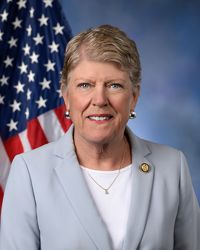
United States · Official source
4,393 records where Rep. Brownley, Julia [D-CA-26] is listed as a sponsor, author, or other actor. Search with topics and years
United States · United States Congress · 22 May 2023
United States · United States Congress · 22 May 2023
Real Education and Access for Healthy Youth Act of 2023 This bill requires the Department of Health and Human Services (HHS) to establish grants to support sex education and sexual health services for young people (ages 10 through 29) and repeals requirements that apply to certain federally funded sex education programs. HHS must award grants, in coordination with the Department of Education, to (1) provide sex education to young people; and (2) train education professionals to effectively teach, and otherwise support, sex education. Sex education refers to high quality teaching and learning that follows, to the maximum extent practicable, specified educational standards; covers a variety of topics concerning sex and sexuality; explores values and beliefs about those topics; and helps young people gain skills to navigate relationships and manage sexual health. Additionally, HHS must award grants to youth-serving organizations and health care entities that are eligible to receive covered outpatient drugs at reduced prices through the 340B drug discount program for providing sexual health services to marginalized youth. Recipients of any of these grants must comply with certain nondiscrimination requirements. In addition, they may not use funds for sex education programs or sexual health services that provide incomplete or inaccurate medical information or fail to address specified issues. The bill also eliminates prohibitions regarding the content of specified federally funded sexual health education and information programs and repeals the Abstinence Only Until Marriage program.
United States · United States Congress · 22 May 2023
United States · United States Congress · 22 May 2023
Designates the facility of the United States Postal Service located at 300 Long Beach Boulevard in Long Beach, California, as the "Alan S. Lowenthal Post Office Building."
United States · United States Congress · 22 May 2023
Designates the facility of the United States Postal Service located at 7911 Imperial Highway in Downey, California, as the "Lucille Roybal-Allard Post Office Building."
United States · United States Congress · 18 May 2023
United States · United States Congress · 18 May 2023
Hot Foods Act of 2023 This bill expands the Supplemental Nutrition Assistance Program (SNAP) to permit the use of SNAP benefits to purchase hot foods or hot food products ready for immediate consumption.
United States · United States Congress · 18 May 2023
Save America's Forgotten Equines Act of 2023 or the SAFE Act of 2023 This bill permanently prohibits the slaughter of equines (e.g., horses and mules) for human consumption. (Current law prohibits the slaughter of dogs and cats for human consumption. This bill extends the prohibition to equines.) Specifically, this bill prohibits a person from knowingly slaughtering an equine for human consumption; or shipping, transporting, possessing, purchasing, selling, or donating an equine to be slaughtered for human consumption or equine parts for human consumption. The bill subjects a violator to a fine. The bill applies to conduct in or affecting interstate or foreign commerce or within the special maritime and territorial jurisdiction of the United States. However, it does not apply to an activity carried out by an Indian for a religious ceremony. In recent years, appropriations acts have prohibited the Department of Agriculture (USDA) from using federal funds to inspect horses before they are slaughtered for human consumption. Therefore, there are currently no USDA-inspected horse slaughter facilities in the United States.
United States · United States Congress · 18 May 2023
United States · United States Congress · 18 May 2023
Senior Hunger Prevention Act of 2023 This bill modifies and expands nutrition programs for older adults and adults with disabilities, including the Supplemental Nutrition Assistance Program (SNAP) and the Commodity Supplemental Food Program (CSFP). Under the bill, a household's eligibility for SNAP benefits may be certified for 36 months if all adult household members are elderly or disabled, an increase from 24 months. The bill also expands the SNAP medical expense deduction. The Department of Agriculture (USDA) must establish an elderly simplified application program (ESAP). Under ESAP, a state may implement a streamlined SNAP application and certification process for households where all adult household members are elderly or disabled and have no earned income. The bill also directs USDA to authorize public-private partnerships between USDA, retail food stores participating in SNAP, and community-based organizations to provide free or low-cost food delivery under SNAP, including through the use of private funds. Further, the bill reauthorizes CSFP, provides additional funding for the program, and expands eligibility to include low-income adults with disabilities. CSFP benefits may also be certified for 36 months. Currently, benefits may be certified for not less than one year, but not more than three years. The bill also expands eligibility for the Seniors Farmers Market Nutrition Program (SFMNP) to include adults with disabilities, provide a 36-month certification period, and include minimum and maximum benefit amounts. Under the bill, USDA must also establish various grant programs; for example, USDA must establish grant programs to modernize SFMNP operations and establish new farmers' markets.
United States · United States Congress · 18 May 2023
United States · United States Congress · 18 May 2023
Pursuing Equity in Mental Health Act This bill sets out activities and modifies existing programs to address racial and ethnic mental health disparities. Specifically, the Department of Health and Human Services (HHS) must implement a strategy for promoting behavioral and mental health and reducing stigma associated with mental health conditions and substance use disorder among racial and ethnic minority groups. HHS must consult with appropriate advocacy groups and behavioral health organizations on this strategy. Additionally, HHS must seek to contract with the National Academies of Sciences, Engineering, and Medicine for a study on research gaps related to mental health disparities among racial and ethnic minority groups. Modifications to existing programs include (1) permitting HHS to prioritize health care facilities that serve a high proportion of racial and ethnic minority groups when awarding grants for integrating physical and behavioral health care, and (2) extending the authorization for the grants from FY2027 through FY2029. The bill also permits the use of funds available through the Minority Fellowship Program for developing best practices or core competencies to address mental health disparities in curricula for training social workers, psychologists, and other behavioral health professionals. (This program supports the education and training of minority students who are studying for advanced degrees in a mental or behavioral health profession.)
United States · United States Congress · 18 May 2023
Block All New Fossil Fuel Exports Act or the BAN Fossil Fuel Exports Act This bill requires the President to ban the exportation of crude oil and natural gas produced in the United States. The President may provide an exemption to the ban in specified circumstances.
United States · United States Congress · 18 May 2023
This resolution supports the designation of Glioblastoma Awareness Day. Glioblastoma is a malignant brain tumor.
United States · United States Congress · 18 May 2023
Perinatal Workforce Act This bill establishes programs and requires research to diversify the perinatal workforce and advance respectful maternal care delivery models. Specifically, the Department of Health and Human Services (HHS) must award grants to education and training programs to grow and diversify the professions that make up the perinatal workforce. HHS must also disseminate guidance on respectful maternal care delivery. This guidance must cover, among other topics, recruiting and retaining maternity care providers from diverse backgrounds and incorporating trained midwives and other perinatal health workers into maternity care teams. In addition, the National Institutes of Health must study best practices for culturally and linguistically congruent maternity care. This is care that is in agreement with the preferred cultural values, beliefs, languages, worldview, and practices of health care consumers and other stakeholders. The Government Accountability Office must also report on certain aspects of perinatal health care professions. The report must focus on barriers to entering those professions for low-income and minority women.
United States · United States Congress · 18 May 2023
Accounting STEM Pursuit Act of 2023 This bill authorizes states and local educational agencies (LEAs) to use grant funds provided through the Student Support and Academic Enrichment Program for accounting education. In particular, LEAs may use these grant funds to implement programs to teach accounting, including by increasing access to high-quality accounting courses through 12th grade for students who are members of underrepresented groups.
United States · United States Congress · 18 May 2023
Law Enforcement Training for Mental Health Crisis Response Act of 2023 This bill authorizes the Office of Justice Programs within the Department of Justice to award grants to law enforcement and corrections agencies for behavioral health crisis response training.
United States · United States Congress · 18 May 2023
United States Foreign Service Commemorative Coin Act This bill directs the Department of the Treasury to mint and issue not more than 50,000 $5 gold coins, 400,000 $1 silver coins, and 750,000 half-dollar clad coins in recognition of the 100th anniversary of the United States Foreign Service. All surcharges received by Treasury from the sale of such coins must be paid to the Association for Diplomatic Studies and Training to support the collection, curation, and sharing of diplomatic history in the United States via oral history, books, social media, and other means.
United States · United States Congress · 18 May 2023
Bicycle Commuter Act of 2023 This bill reinstates and expands the tax exclusion for employer-provided fringe benefits for bicycle commuting. It allows employees a bicycle commuting benefit equal to 30% of parking fringe benefits. The bill repeals the suspension period (2018-2025) applicable to such tax exclusion and revises definitions applicable to bicycle commuting benefits to make electric bicycles and certain scooters eligible for the tax exclusion.
United States · United States Congress · 17 May 2023
Fire Department Repayment Act of 202 3 This bill requires standard operating procedures for reciprocal fire suppression cost share agreements. The Departments of Agriculture, the Interior, Homeland Security, and Defense shall establish standard operating procedures relating to fire suppression cost share agreements established under the Reciprocal Fire Protection Act; and with respect to each agreement in operation on one year after enactment of this bill, review each agreement and modify it as necessary to comply with the standard operating procedures. The standard operating procedures shall include a requirement that each fire suppression cost share agreement be aligned with each of the cooperative fire protection agreements applicable to the entity subject to such fire suppression cost share agreement. The standard operating procedures shall also include a requirement that the departments, to the maximum extent practicable, complete reviews, including second-level reviews of a fire suppression cost share agreement, as soon as practicable after a wildfire related to the area covered by such cost share agreement is contained; and a requirement that in completing such reviews, the department concerned consults with state and local fire suppression organizations.
United States · United States Congress · 17 May 2023
Give Kids a Chance Act of 2023 This bill authorizes certain targeted clinical trials involving combinations of drugs to treat pediatric cancer. Specifically, the bill modifies requirements relating to molecularly targeted pediatric cancer investigations so as to authorize investigations of new drugs that are used in combination with active ingredients that have already been approved and that (1) have been determined to be the standard of care for treating a pediatric cancer, or (2) have been approved to treat an adult cancer and are directed at molecular targets for pediatric cancer. The Food and Drug Administration must issue guidance and report on the bill's implementation. The Government Accountability Office must report on the effectiveness of the bill's changes with respect to the development of pediatric cancer drugs.
United States · United States Congress · 17 May 2023
AM Radio for Every Vehicle Act of 2023 This bill requires the Department of Transportation (DOT) to issue a rule that requires all new motor vehicles to have devices that can access AM broadcast stations installed as standard equipment. (AM broadcast stations are often used to deliver emergency alerts and news and entertainment programming; some newer vehicles do not include AM equipment.) Specifically, this bill applies to motor vehicles manufactured in the United States, imported into the United States, or shipped in interstate commerce after the rule's effective date. The DOT rule must require all such vehicles to have devices that can receive signals and play content transmitted by AM broadcast stations or digital audio AM broadcast stations installed as standard equipment. Prior to the effective date of the rule, manufacturers that do not include devices that can access AM broadcast stations as standard equipment must inform purchasers of this fact through clear and conspicuous labeling. DOT may assess civil penalties against any manufacturer that fails to comply with the mandate. The Department of Justice may also bring a civil action to enjoin a violation. Further, the Government Accountability Office must study and report on whether a reliable alternative communication system exists for delivering emergency alerts and consider the (1) cost to drivers and passengers of receiving communications through an alternative system, and (2) cost and time required to develop and implement an alternative.
United States · United States Congress · 17 May 2023
United States · United States Congress · 17 May 2023
United States · United States Congress · 17 May 2023
United States · United States Congress · 17 May 2023
Higher Education Mental Health Act of 2023 This bill requires the Department of Education to establish an Advisory Commission on Serving and Supporting Students with Mental Health Disabilities in Institutions of Higher Education. The commission must conduct a study and report on services available to students with mental health disabilities in institutions of higher education (IHEs) and the effectiveness of such services in supporting these students; the impact of policies and procedures, such as reasonable accommodation and disciplinary policies, that help or hinder the goal of providing equal opportunity to these students; the use of protected health information of these students by IHEs; the impact of providing mental health services on a student's academic performance, well-being, and ability to complete postsecondary education; conclusions on the major challenges facing these students; and recommendations to improve the overall education, retention, and graduation of these students.
United States · United States Congress · 17 May 2023
Safe Access to Cash Act of 2023 This bill establishes a new federal statutory framework to govern robbery offenses involving ATMs and related conduct. Currently, the federal bank robbery statute makes it a federal crime to take or attempt to take by force and violence or by intimidation, money or other property from any bank, credit union, or savings and loan association. A violation is punishable by a statutory maximum prison term of 20 years (or 25 years, if the offense includes assault or use of a dangerous weapon). However, federal circuit courts have split on whether forcing someone to withdraw money from an ATM qualifies as an offense under the federal bank robbery statute. In United States v. Chavez, the Fifth Circuit Court of Appeals held that the bank customer, rather than the bank, had possession of the funds when the robbery occurred, so a necessary element of the federal bank robbery statute--that the money belonged to the bank--was not satisfied. In contrast, the Tenth, Seventh, and Fourth Circuits have held that directly forcing a bank customer to withdraw money from an ATM constitutes a federal bank robbery because the funds belonged to the bank when the withdrawal occurred. This bill establishes new statutory criminal offenses for ATM robbery and related offenses such as ATM theft. A violation is subject to the same criminal penalties as an offense under the federal bank robbery statute--a statutory maximum prison term of 20 years (or 25 years, if the offense includes assault or use of a dangerous weapon).
United States · United States Congress · 17 May 2023
This concurrent resolution affirms, more than 400 years after the arrival of the first slave ship, that the United States owes a debt of remembrance to those who lived through slavery or other historical injustices against people of color, as well as to their descendants. It also urges the establishment of a U.S. Commission on Truth, Racial Healing, and Transformation.
United States · United States Congress · 17 May 2023
This resolution condemns the great replacement theory, which it describes as a white supremacist conspiracy theory that has been used to falsely justify racially motivated, violent acts of terrorism domestically and internationally.
United States · United States Congress · 16 May 2023
National Law Enforcement Officers Remembrance, Support and Community Outreach Act This bill directs the Department of Justice (DOJ) to establish a National Law Enforcement Officers Remembrance, Support, and Community Outreach Program. The bill further directs DOJ to award a grant under the program to the National Law Enforcement Officers Memorial Fund for the expenses associated with community outreach, public education, and officer safety and wellness programs operated by the of the National Law Enforcement Officers Memorial Fund and National Law Enforcement Museum.
United States · United States Congress · 15 May 2023
Maternal Health for Veterans Act This bill requires the Department of Veterans Affairs (VA) to report annually through FY2028 on its activities relating to the coordination of maternity health care. The reports must also include (1) data on the maternal health outcomes of veterans who receive medical care or services from the VA or a non-VA provider that is authorized to provide care or services under VA programs, and (2) VA recommendations to improve the maternal health outcomes of veterans. The reports must be made publicly available. The bill also authorizes funding through FY2028 for VA programs relating to the coordination of maternity health care.
United States · United States Congress · 15 May 2023
Maternal Vaccination Act This bill includes a focus on pregnant and postpartum individuals in existing public health activities to increase vaccination rates. First, the Centers for Disease Control and Prevention must incorporate a focus on pregnant and postpartum individuals, including by disseminating information to obstetric health care providers, into its existing public awareness campaign about the importance of vaccinations. The bill also reauthorizes this campaign through FY2028. Second, the bill expressly allows certain project grants for preventive health services to be used for activities to increase vaccination rates of pregnant and postpartum individuals (and their children).
United States · United States Congress · 15 May 2023
Kira Johnson Act This bill establishes various grants for establishing or expanding programs to advance maternal health equity. Specifically, the Department of Health and Human Services (HHS) must award grants for community-based programs to improve maternal health outcomes for demographic groups with elevated rates of maternal mortality and morbidity, maternal health disparities, and other adverse outcomes; training for health care providers and others who work in maternity care settings on reducing and preventing racism, bias, and discrimination; and programs in hospitals, health systems, and other maternity care settings to establish processes to identify and address instances of racism or evidence of bias in maternity care (i.e., respectful maternity care compliance programs). HHS must contract with the National Academies of Sciences, Engineering, and Medicine to study issues related to the training programs, and the Government Accountability Office must study issues related to the respectful maternity care compliance programs.
United States · United States Congress · 15 May 2023
Data to Save Moms Act This bill expands data collection and research on maternal morbidity and mortality among racial and ethnic minority groups. Specifically, the bill adds requirements to certain grants awarded by the Centers for Disease Control and Prevention (CDC) for maternal mortality review committees. To the extent practicable, grant-funded committees must use the most up-to-date indicators of severe maternal morbidity; review deaths caused by suicide, overdose, or other behavioral health conditions attributed to or aggravated by pregnancy or childbirth; and consult with representatives of communities disproportionately affected by adverse maternal outcomes about nonclinical factors that may contribute to those outcomes. The CDC may also award grants to committees to increase their engagement with local communities, such as by bringing on community representatives as committee members. Additionally, the Centers for Medicare & Medicaid Services and the Agency for Healthcare Research and Quality must consult with stakeholders to review maternal health data collection processes and quality measures and make recommendations to improve them. The Department of Health and Human Services must also support studies on adverse maternal health outcomes among American Indian and Alaska Native populations and other racial and ethnic minority groups.
United States · United States Congress · 15 May 2023
Social Determinants for Moms Act This bill requires the Department of Health and Human Services (HHS) to establish a task force and a grant program to address social determinants of maternal health. These are nonmedical factors that impact maternal health outcomes, such as transportation, food security, and economic security. The task force, composed of federal and nonfederal stakeholders, must develop strategies and coordinate efforts to eliminate preventable maternal mortality, severe maternal morbidity, and maternal health disparities. Additionally, HHS must award grants to community-based organizations, nonprofits, tribal organizations, public health departments, or consortia of these entities to address social determinants of maternal health and eliminate disparities in maternal health outcomes.
United States · United States Congress · 15 May 2023
Innovative Maternal Payment and Coverage To Save Moms Act or the IMPACT to Save Moms Act This bill requires the Centers for Medicare & Medicaid Services (CMS) to establish a demonstration program to test alternative payment models under Medicaid and the Children's Health Insurance Program (CHIP) for maternity care. The CMS may consider payment models that include or are designed to address certain areas, such as improved maternal health outcomes for at-risk demographic groups, consideration of social determinants of health, or incorporation of diverse maternity care teams or settings. The CMS must evaluate the program's impact on maternal health outcomes, spending, patient experience, and other relevant areas.
United States · United States Congress · 15 May 2023
Maternal Health Pandemic Response Act This bill addresses data collection, public education, workplace safety, and other matters related to maternal health during public health emergencies. Specifically, the bill supports (1) various programs and initiatives carried out by the Centers for Disease Control and Prevention (CDC) to collect data about maternal health, including racial, ethnic, and other demographic data; and (2) research activities of the National Institute of Child Health and Human Development. Additionally, the CDC and the Centers for Medicare & Medicaid Services must make publicly available and periodically update pregnancy and postpartum data that is collected through federal surveillance systems during public health emergencies. The data must be disaggregated by factors such as race, ethnicity, insurance status, and location. Further, the CDC must carry out a program to educate pregnant individuals, their employers, and their health care providers about maternal and infant health risks during public health emergencies. The bill also requires the Department of Health and Human Services to convene a task force to develop recommendations on the provision of maternity care during public health emergencies with a particular focus on communities of color and rural populations.
United States · United States Congress · 15 May 2023
Protecting Moms and Babies Against Climate Change Act This bill establishes requirements and grants that address risks associated with climate change, particularly for vulnerable individuals (i.e., members of racial and ethnic minority groups, pregnant or postpartum individuals, and children younger than age three). Specifically, the Department of Health and Human Services (HHS) must establish a program to award grants to partnerships of community-based organizations and other entities to identify and address climate-change-related risks to these individuals at a county level. HHS must also establish a program to award grants to health professional schools for developing—and integrating into their curriculums—education and training on identifying risks associated with climate change for vulnerable individuals. In addition, the National Institutes of Health (NIH) must establish the Consortium on Birth and Climate Change Research. The consortium must coordinate research on such risks conducted and supported by various NIH institutes and offices. The Centers for Disease Control and Prevention must also develop a strategy to designate areas that have a high risk of adverse maternal and infant health outcomes among vulnerable individuals due to risks associated with climate change.
United States · United States Congress · 15 May 2023
Black Maternal Health Momnibus Act This bill directs multi-agency efforts to improve maternal health with a particular focus on racial and ethnic minority groups, veterans, and other vulnerable populations. The Department of Health and Human Services (HHS) must address the social determinants of maternal health (i.e., child care, housing, and other nonmedical factors that affect health outcomes). HHS and other departments must also carry out other actions to increase access to maternal health care and otherwise improve maternal health, such as growing and diversifying the maternal health workforce; establishing various grants and other programs, including ones related to maternal health disparities and maternal behavioral health; testing alternative payment models for perinatal care in Medicaid and the Children's Health Insurance Program (CHIP); addressing maternal health during public health emergencies; and supporting training, technology, and telehealth initiatives. The bill further provides for extended postpartum and breastfeeding eligibility for the Special Supplemental Nutrition Program for Women, Infants, and Children; increased research and data collection on maternal health indicators; activities to mitigate adverse maternal health outcomes associated with climate change; and expanded public education to improve maternal vaccination rates. The bill also addresses maternal health for incarcerated populations. For example, it (1) requires the Bureau of Prisons and the Department of Justice to establish programs to improve maternity care; and (2) reduces grants for criminal justice activities unless the recipient state or territory has a law to limit the use of restraints during pregnancy for incarcerated populations.
United States · United States Congress · 15 May 2023
Improving Mental Health and Wellness in Schools Act This bill incorporates mental health promotion and education into guidelines for school wellness policies that are used by local educational agencies participating in school meal programs. Specifically, the Department of Agriculture (USDA) must issue further regulations for local educational agencies to (1) incorporate goals for mental health promotion and education, and (2) include reducing eating disorders as part of the nutrition guidelines for foods available on school campuses. The bill also requires that local educational agencies establish multidisciplinary teams of school personnel to lead the development, periodic review, and updating of local school wellness policies. Further, the bill requires the involvement of registered dietitians and school-based mental health services providers (in addition to those already required to be involved) in the periodic review and updating of the local policy. USDA must also provide technical assistance to promote mental health, encourage mental health assessments, and establish resilient school environments.
United States · United States Congress · 15 May 2023
Extending WIC for New Moms Act This bill amends the Special Supplemental Nutrition Program for Women, Infants, and Children (WIC) to extend the eligibility periods for breastfeeding and postpartum women. Specifically, a state program may elect to certify a breastfeeding woman for up to 24 months (currently 1 year) postpartum. The bill also expands the eligibility period for postpartum women to up to 24 months after termination of pregnancy (currently 6 months). The Department of Agriculture must submit a report to Congress evaluating the effect of these changes to the program on (1) maternal and infant health outcomes, (2) breastfeeding rates, and (3) qualitative evaluations of family experiences under WIC.
United States · United States Congress · 15 May 2023
Justice for Incarcerated Moms Act This bill establishes new requirements related to grants, programs, and reports to improve the treatment and care of pregnant and postpartum women who are incarcerated. Specifically, the bill requires the following: states must restrict the use of restraints on pregnant women in prison in order to receive full funding under the Edward Byrne Memorial Justice Assistance Grant program; the Bureau of Prisons must establish programs to optimize maternal health outcomes for pregnant and postpartum women in federal prisons; the Bureau of Justice Assistance must award state grants for programs to support pregnant and postpartum women in state and local prisons and jails; and the Government Accountability Office must report on adverse maternal and infant health outcomes among incarcerated individuals and infants born to such individuals, with a particular focus on racial and ethnic disparities.
United States · United States Congress · 11 May 2023
United States · United States Congress · 11 May 2023
Healthy Future Students and Earth Pilot Program Act of 2023 This bill establishes pilot programs for providing 100% plant-based food and milk options in school meals and expands access to nondairy beverages in school meals. Specifically, the Department of Agriculture (USDA) must carry out a pilot program to award grants for purposes such as training food service personnel on serving 100% plant-based food options and covering additional costs of buying plant-based foods. USDA must give priority in awarding pilot program grants to school food authorities that will use the funds to serve a high proportion of children who are eligible for free or reduced-price meals. The bill also requires a school participating in the school lunch program to substitute a nondairy beverage that is nutritionally equivalent to fluid milk, and meets USDA-established standards, if the student's parent or legal guardian submits a written request for such substitution. Further, a school has the option to offer each student a nondairy beverage as a substitute for fluid milk if it meets these same standards. USDA must also establish a pilot program to reimburse eligible schools for the cost of providing a nondairy beverage as a substitute for fluid milk. Eligible schools are those where at least 50% of the students served are eligible for free or reduced-price meals.
United States · United States Congress · 11 May 2023
This resolution reaffirms the central role of local frontline health workforces in achieving global health objectives. The resolution also urges greater global attention and support for local frontline health workers.
United States · United States Congress · 11 May 2023
Veteran Entrepreneurs Act of 2023 This bill allows a business-related tax credit of 25% of up to $400,000 of the franchise fees paid or incurred by an eligible veteran for the purchase of a franchise. The bill reduces the amount of such credit if the veteran does not own 100% of the stock or capital or profits interest of the franchisee. An eligible veteran is a person who served in the active military, naval, or air service; was discharged or released under conditions other than dishonorable; and who pays or incurs a franchise fee in connection with a franchise agreement with a franchisor. The veteran may elect to transfer the credit to an eligible franchisor in exchange for a discount in the franchise fee commensurate with the value of the credit. The Small Business Administration and the Department of Veterans Affairs must provide information about the tax credit allowed by this bill to veterans service organizations and veteran advocacy groups.
United States · United States Congress · 11 May 2023
Affordable Housing Credit Improvement Act of 2023 This bill revises provisions of the low-income housing tax credit and renames it as the affordable housing tax credit . The bill increases the per capita dollar amount of the credit and its minimum ceiling amount beginning in 2023 and extends the inflation adjustment for such amounts. The bill modifies tenant income eligibility requirements and the average income formula for determining such income. It also revises rules for student occupancy of rental units and tenant voucher payments, and prohibits any refusal to rent to victims of domestic abuse. The bill further modifies the credit to increase state allocations of the credit; repeal the qualified census tract population cap; prohibit consideration of local approval and local government contribution requirements for housing projects; increase the credit for certain projects designated to serve extremely low-income households; increase the credit for certain bond-financed projects designated by state agencies; eliminate the basis reduction for properties that receive certain energy-related tax benefits; and increase the population cap for difficult development areas (i.e., areas with high construction, land, and utility costs relative to area median gross income). The bill also includes Indian and rural areas as difficult development areas and modifies other requirements relating to casualty losses, tax-exempt bond financing, and foreclosures.
United States · United States Congress · 10 May 2023
U.S. Citizenship Act This bill establishes a path to citizenship for certain undocumented individuals. The bill also replaces the term alien with noncitizen in the immigration statutes and addresses other related issues. Specifically, the bill establishes a new status of lawful prospective immigrant . This status shall be available to an applying noncitizen who meets certain requirements, including being continually present in the United States from January 1, 2023, and passing background checks. After at least five years with this status, an eligible noncitizen may apply for and receive lawful permanent resident status. The bill also provides permanent resident status to certain applying noncitizens, specifically for eligible noncitizens who (1) entered the United States as a minor, (2) were eligible for temporary protected status or deferred enforced departure on January 1, 2017, or (3) worked a certain amount of agricultural labor in the five years before applying. Among other things, the bill also redefines for immigration purposes the term conviction to exclude convictions that have been expunged or vacated, requires the Department of State to implement a strategy to advance reforms in Central America and address key factors contributing to migration from the region to the United States, requires the State Department to establish refugee processing centers in Central America, requires U.S. Customs and Border Protection sectors and stations to have a certain number of employees with certain qualifications such as paramedic training, generally prohibits religious discrimination in granting or denying immigration benefits, and establishes grant programs for providing training and services to immigrants.
United States · United States Congress · 10 May 2023
Enhance Access To SNAP Act of 2023 or the EATS Act of 2023 This bill expands eligibility for the Supplemental Nutrition Assistance Program (SNAP) for certain students. Specifically, the bill removes the restriction on SNAP eligibility for students to allow otherwise eligible students who are attending institutions of higher education (IHEs) at least half time to participate in SNAP. Under current law, students 18-49 years old are restricted, with exceptions, from participating in SNAP. The Consolidated Appropriations Act, 2021 temporarily exempted some students from certain SNAP eligibility requirements; these temporary student exemptions are currently scheduled to expire after the end of the COVID-19 public health emergency on May 11, 2023. Further, the bill provides that students enrolled at least half time in a recognized school, training program, or IHE constitute individual households (not residents of institutions ) and may be eligible for SNAP benefits. (Participation in SNAP is limited to households.)
United States · United States Congress · 10 May 2023
This resolution (1) expresses support for the designation of Motorcycle Safety Awareness Month; (2) recognizes the contribution of motorcycles to transportation; (3) encourages motorcycle awareness; (4) recognizes that motorcyclists have a right to the road and that all motorists should safely share the roadways; (5) encourages rider safety education, training, and proper gear; and (6) supports the goals of Motorcycle Safety Awareness Month.