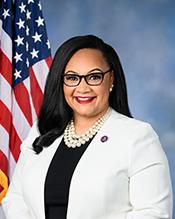
United States · United States Congress · 23 May 2023
VA Work-Study Improvement Act This bill modifies certain pay and eligibility requirements under the Department of Veterans Affairs (VA) work-study program, including minimum wage and timesheet requirements. The bill expands the list of qualifying work-study activities to include state government, local government, or nonprofit organization activities that would benefit veterans or members of the Armed Forces. The bill also modifies minimum wage requirements under the work-study program. Under the bill, the hourly minimum wage paid under the work-study program must be the higher of (1) the minimum rate of basic pay for any federal employee (under the general schedule or federal wage system pursuant to specified regulations), (2) the hourly minimum wage in the state where the services are to be performed, or (3) the hourly minimum wage of the local government with jurisdiction over the area in which the services are to be performed. Additionally, the VA must ensure that (1) an individual participating in a qualifying work-study activity may electronically record such hours, and (2) the supervisor may electronically approve such records. Finally, the VA must annually publish specified information regarding qualifying work-study activities carried out during the year, including the demographics of individuals participating in the program.
United States · United States Congress · 23 May 2023
This resolution expresses the sense of the House of Representatives that Congress should ensure that the U.S. Postal Service is not privatized and remains an independent establishment of the federal government.
United States · United States Congress · 22 May 2023
Secure Testing Resources Instead of Prosecuting Act or the STRIP Act This bill exempts the possession, sale, or purchase of fentanyl drug testing equipment, including test strips, from criminal penalties under the Controlled Substances Act.
United States · United States Congress · 18 May 2023
Hot Foods Act of 2023 This bill expands the Supplemental Nutrition Assistance Program (SNAP) to permit the use of SNAP benefits to purchase hot foods or hot food products ready for immediate consumption.
United States · United States Congress · 18 May 2023
Save America's Forgotten Equines Act of 2023 or the SAFE Act of 2023 This bill permanently prohibits the slaughter of equines (e.g., horses and mules) for human consumption. (Current law prohibits the slaughter of dogs and cats for human consumption. This bill extends the prohibition to equines.) Specifically, this bill prohibits a person from knowingly slaughtering an equine for human consumption; or shipping, transporting, possessing, purchasing, selling, or donating an equine to be slaughtered for human consumption or equine parts for human consumption. The bill subjects a violator to a fine. The bill applies to conduct in or affecting interstate or foreign commerce or within the special maritime and territorial jurisdiction of the United States. However, it does not apply to an activity carried out by an Indian for a religious ceremony. In recent years, appropriations acts have prohibited the Department of Agriculture (USDA) from using federal funds to inspect horses before they are slaughtered for human consumption. Therefore, there are currently no USDA-inspected horse slaughter facilities in the United States.
United States · United States Congress · 18 May 2023
Kids Fly Safe Act This bill requires the Federal Aviation Administration to conduct a comprehensive study on child safety in aviation in consultation with Department of Health and Human Services, the Food and Drug Administration, the Consumer Product Safety Commission, and the Transportation Security Administration. The study must evaluate issues that include the usage and aircraft compatibility of age-appropriate child safety seats and restraints, procedures for evacuating children safely and efficiently from aircraft, the extent to which airport terminal design requirements include measures to ensure the general physical safety of children in the terminal and while on airport property, and the extent to which airport and airline policies protect children from contagious diseases or in-flight respiratory issues.
United States · United States Congress · 18 May 2023
Perinatal Workforce Act This bill establishes programs and requires research to diversify the perinatal workforce and advance respectful maternal care delivery models. Specifically, the Department of Health and Human Services (HHS) must award grants to education and training programs to grow and diversify the professions that make up the perinatal workforce. HHS must also disseminate guidance on respectful maternal care delivery. This guidance must cover, among other topics, recruiting and retaining maternity care providers from diverse backgrounds and incorporating trained midwives and other perinatal health workers into maternity care teams. In addition, the National Institutes of Health must study best practices for culturally and linguistically congruent maternity care. This is care that is in agreement with the preferred cultural values, beliefs, languages, worldview, and practices of health care consumers and other stakeholders. The Government Accountability Office must also report on certain aspects of perinatal health care professions. The report must focus on barriers to entering those professions for low-income and minority women.
United States · United States Congress · 18 May 2023
Keeping All Students Safe Act This bill prohibits the use of seclusion and limits the use of physical restraint in schools and Head Start programs that receive federal funding. Specifically, the bill prohibits the use of seclusion, which is the involuntary confinement of a student alone in a room or area from which the student is physically prevented from leaving. The term does not include a time out, which may involve separating the student from others in a non-locked setting. The bill prohibits the use of mechanical or chemical restraints or physical restraints that restrict breathing or are life threatening. The bill outlines the requirements for the use of physical restraint, including that the student's behavior must pose an imminent danger of serious physical injury to the student or other individual. Each state must ensure that a sufficient number of program personnel are trained and certified by a state-approved crisis intervention training program. Additionally, each program must establish procedures to follow after an incident involving physical restraint. Further, the bill establishes enforcement provisions, including a private right of action for a student who has been subjected to unlawful seclusion or restraint. The Department of Education and the Department of Health and Human Services must withhold payments from a program for unlawful seclusion or restraint. Finally, the bill requires each state educational agency (SEA) to establish, implement, and enforce policies and procedures required by the bill. It also creates a grant program to assist SEAs with these activities.
United States · United States Congress · 18 May 2023
United States Foreign Service Commemorative Coin Act This bill directs the Department of the Treasury to mint and issue not more than 50,000 $5 gold coins, 400,000 $1 silver coins, and 750,000 half-dollar clad coins in recognition of the 100th anniversary of the United States Foreign Service. All surcharges received by Treasury from the sale of such coins must be paid to the Association for Diplomatic Studies and Training to support the collection, curation, and sharing of diplomatic history in the United States via oral history, books, social media, and other means.
United States · United States Congress · 18 May 2023
Doxing Threat Assessment Act This bill requires the Office of Intelligence and Analysis (I&A) of the Department of Homeland Security (DHS) to develop and disseminate a threat assessment regarding the use of cyber harassment, including doxing, by terrorists and foreign malicious actors. Doxing means knowingly publishing the personally identifiable information of another individual, without the individual's consent and with intent to threaten, intimidate, harass, or stalk any person; facilitate another to threaten, intimidate, harass, or stalk any person; incite or facilitate the commission of a crime of violence against any person; or place any person in reasonable fear of death or serious bodily injury. The threat assessment (1) shall be developed in coordination with the DHS Privacy Office and the DHS Office for Civil Rights and Civil Liberties, and (2) may be informed by existing products. I&A shall, consistent with the protection of classified and confidential unclassified information (1) disseminate the threat assessment with state, local, and tribal law enforcement officials; and (2) ensure that a version of the assessment is published on the DHS website within 30 days of dissemination to Congress.
United States · United States Congress · 17 May 2023
Foster Youth Mentoring Act of 20 2 3 This bill directs the Department of Health and Human Services to award grants for programs that provide mentoring for children in foster care and children with experience in foster care. Mentoring under such programs must match youth with appropriately screened and trained adult or peer volunteers and involve regular meetings designed to last for at least one year.
United States · United States Congress · 17 May 2023
Medicare for All Act This bill establishes a national health insurance program that is administered by the Department of Health and Human Services (HHS). Among other requirements, the program must (1) cover all U.S. residents; (2) provide for automatic enrollment of individuals upon birth or residency in the United States; and (3) cover items and services that are medically necessary or appropriate to maintain health or to diagnose, treat, or rehabilitate a health condition, including hospital services, prescription drugs, mental health and substance abuse treatment, dental and vision services, long-term care, gender affirming care, and reproductive care, including contraception and abortions. The bill prohibits cost-sharing (e.g., deductibles, coinsurance, and copayments) and other charges for covered services. Additionally, private health insurers and employers may only offer coverage that is supplemental to, and not duplicative of, benefits provided under the program. Health insurance exchanges and specified federal health programs terminate upon program implementation. However, the program does not affect coverage provided through the Department of Veterans Affairs or the Indian Health Service. The bill also establishes a series of implementing provisions relating to (1) health care provider participation; (2) HHS administration; and (3) payments and costs, including the requirement that HHS negotiate prices for prescription drugs. Individuals who are age 18 or younger, age 55 or older, or already enrolled in Medicare may enroll in the program starting one year after enactment of this bill; other individuals may buy into the program at this time. The program must be fully implemented two years after enactment.
United States · United States Congress · 17 May 2023
Give Kids a Chance Act of 2023 This bill authorizes certain targeted clinical trials involving combinations of drugs to treat pediatric cancer. Specifically, the bill modifies requirements relating to molecularly targeted pediatric cancer investigations so as to authorize investigations of new drugs that are used in combination with active ingredients that have already been approved and that (1) have been determined to be the standard of care for treating a pediatric cancer, or (2) have been approved to treat an adult cancer and are directed at molecular targets for pediatric cancer. The Food and Drug Administration must issue guidance and report on the bill's implementation. The Government Accountability Office must report on the effectiveness of the bill's changes with respect to the development of pediatric cancer drugs.
United States · United States Congress · 17 May 2023
This resolution expresses support for the designation of DIPG Awareness Day. DIPG is diffuse intrinsic pontine glioma, a terminal childhood brain cancer.
United States · United States Congress · 17 May 2023
AM Radio for Every Vehicle Act of 2023 This bill requires the Department of Transportation (DOT) to issue a rule that requires all new motor vehicles to have devices that can access AM broadcast stations installed as standard equipment. (AM broadcast stations are often used to deliver emergency alerts and news and entertainment programming; some newer vehicles do not include AM equipment.) Specifically, this bill applies to motor vehicles manufactured in the United States, imported into the United States, or shipped in interstate commerce after the rule's effective date. The DOT rule must require all such vehicles to have devices that can receive signals and play content transmitted by AM broadcast stations or digital audio AM broadcast stations installed as standard equipment. Prior to the effective date of the rule, manufacturers that do not include devices that can access AM broadcast stations as standard equipment must inform purchasers of this fact through clear and conspicuous labeling. DOT may assess civil penalties against any manufacturer that fails to comply with the mandate. The Department of Justice may also bring a civil action to enjoin a violation. Further, the Government Accountability Office must study and report on whether a reliable alternative communication system exists for delivering emergency alerts and consider the (1) cost to drivers and passengers of receiving communications through an alternative system, and (2) cost and time required to develop and implement an alternative.
United States · United States Congress · 17 May 2023
America's CHILDREN Act of 2023 or the Protecting Children of Long-Term Visa Holders Act of 2023 This bill provides lawful permanent resident status to certain college graduates who entered the United States as children and addresses other immigration-related issues. Specifically, this bill allows a non-U.S. national ( alien under federal law) to apply for lawful permanent resident status if the individual (1) was lawfully present in the United States as a dependent child of an individual admitted for employment, (2) was in the United States with such status for at least eight years, (3) has graduated from an institution of higher education in the United States, and (4) is not deportable or otherwise inadmissible. In addition, the individual must have been lawfully present in the United States for at least 10 years at the time of the application. The bill also modifies various provisions related to calculating an individual's age for immigration purposes and the priority date of certain immigration-related applications. For example, to determine whether an individual is a dependent child for certain immigration petitions, the individual's age at the time a petition is filed shall be the age used for that determination. (Currently, this determination for some petitions is based on the individual's age at the time a visa becomes available, so it is possible for an individual to be a dependent child when filing a petition but become too old to qualify by the time the visa is available.)
United States · United States Congress · 17 May 2023
Teaching Asian American, Native Hawaiian, and Pacific Islander History Act This bill requires entities (e.g., institutions of higher education, libraries, and museums), in order to be eligible for certain grants administered by the Department of Education (ED), to include Asian American, Native Hawaiian, and Pacific Islander history in their teaching of American history. It also requires Asian American, Native Hawaiian, and Pacific Islander history to be included in tests administered by the National Assessment of Educational Progress (NAEP). Specifically, the bill mandates the inclusion of Asian American, Native Hawaiian, and Pacific Islander history as a required component of American history for such entities to be eligible for American History and Civics Academies' competitive grants. These grants support the establishment of (1) Presidential Academies for Teachers of American History and Civics, which offer workshops to teachers of American history and civics to strengthen their knowledge and prepare them to teach in these subjects; and (2) Congressional Academies for Students of American History and Civics, which support high school students in developing an understanding of these subjects. (Currently, Asian American, Native Hawaiian, and Pacific Islander history is not a required component of American history for either academy.) In addition, ED must give priority to grant applicants that align their activities with programs and resources of the Smithsonian Institution's Asian Pacific American Center. The bill also requires the inclusion of Asian American, Native Hawaiian, and Pacific Islander history in tests administered by the NAEP, which measures student academic achievement in various subjects.
United States · United States Congress · 17 May 2023
This resolution supports the goals and ideals of an International Day Against Homophobia, Biphobia, Interphobia, and Transphobia. The resolution encourages (1) health care providers to offer culturally and clinically competent care to the lesbian, gay, bisexual, transgender, queer, questioning, intersex, asexual, and agender (LGBTQIA+) community; (2) schools to support the creation of gender and sexuality alliances; (3) individuals to learn about national resources for those who identify as LGBTQIA+; and (4) funding organizations, aid efforts, and governments to prioritize the health and human rights of LGBTQIA+ people.
United States · United States Congress · 17 May 2023
This concurrent resolution affirms, more than 400 years after the arrival of the first slave ship, that the United States owes a debt of remembrance to those who lived through slavery or other historical injustices against people of color, as well as to their descendants. It also urges the establishment of a U.S. Commission on Truth, Racial Healing, and Transformation.
United States · United States Congress · 17 May 2023
This resolution condemns the great replacement theory, which it describes as a white supremacist conspiracy theory that has been used to falsely justify racially motivated, violent acts of terrorism domestically and internationally.
United States · United States Congress · 17 May 2023
Strength in Diversity Act of 2023 This bill establishes a program through which the Department of Education may award planning and implementation grants to specified educational agencies (e.g., local educational agencies) to improve diversity and reduce or eliminate racial or socioeconomic isolation in publicly funded early childhood education programs, public elementary schools, or public secondary schools.
United States · United States Congress · 16 May 2023
Gabriella Miller Kids First Research Act 2.0 This bill reauthorizes through FY2028 a pediatric disease research initiative within the National Institutes of Health (NIH) and requires the NIH to coordinate pediatric research activities to avoid duplicative efforts. Additionally, the Department of Health and Human Services must report to Congress about research funded through the initiative.
United States · United States Congress · 16 May 2023
Colorectal Cancer Payment Fairness Act This bill eliminates Medicare coinsurance requirements with respect to colorectal cancer screening tests, regardless of the code billed for a resulting diagnosis or procedure, beginning in 2023 (rather than 2030).
United States · United States Congress · 16 May 2023
No Surprise Bills for New Moms Act This bill requires health insurers to provide coverage for newborns of enrollees for the first 30-day period after the newborn's date of birth and to provide a special enrollment period for the newborn that extends at least 60 days after the initial coverage period. It also requires insurers to notify an enrollee if they receive a claim for the enrollee's newborn who is not enrolled in a health insurance plan.
United States · United States Congress · 16 May 2023
Support, Treatment, and Overdose Prevention of Fentanyl Overdoses Act of 2023 or the STOP Fentanyl Overdoses Act of 2023 This bill addresses data collection, treatment, harm reduction, and other issues related to substance misuse and addiction. It particularly focuses on opioids, fentanyl, and related substances. Specifically, the bill expands surveillance of fentanyl and related substances. This includes requiring a study on how to track overdoses by type of drug (including fentanyl) and awarding grants to states for collecting data about fentanyl-involved overdoses. The bill also provides for (1) training on detecting and handling fentanyl for law enforcement, and (2) grants for forensic laboratories to facilitate surveillance of controlled substances seized by law enforcement. Additionally, the bill establishes and modifies requirements to increase access to treatment and prevention services. For example, the Bureau of Prisons must make certain services, including medication-assisted treatments, available to individuals in its custody. The bill also establishes grants and requires other efforts to expand access to medications that temporarily reverse opioid overdoses (e.g., naloxone) and related harm reduction activities. Furthermore, the bill extends, subject to some conditions, liability protections for those who administer aid in an emergency (commonly known as Good Samaritan laws) to individuals who administer opioid overdose reversal drugs and to individuals who seek medical attention for themselves or on behalf of another for a drug overdose. The bill also requires multiple reports, including a report by the Department of State on foreign sources of certain drugs.
United States · United States Congress · 16 May 2023
This resolution supports the goals and ideals of National Honor Our LGBT Elders Day to increase awareness of health disparities and other challenges facing lesbian, gay, bisexual, and transgender (LGBT) elders.
United States · United States Congress · 15 May 2023
Maternal Health for Veterans Act This bill requires the Department of Veterans Affairs (VA) to report annually through FY2028 on its activities relating to the coordination of maternity health care. The reports must also include (1) data on the maternal health outcomes of veterans who receive medical care or services from the VA or a non-VA provider that is authorized to provide care or services under VA programs, and (2) VA recommendations to improve the maternal health outcomes of veterans. The reports must be made publicly available. The bill also authorizes funding through FY2028 for VA programs relating to the coordination of maternity health care.
United States · United States Congress · 15 May 2023
Maternal Vaccination Act This bill includes a focus on pregnant and postpartum individuals in existing public health activities to increase vaccination rates. First, the Centers for Disease Control and Prevention must incorporate a focus on pregnant and postpartum individuals, including by disseminating information to obstetric health care providers, into its existing public awareness campaign about the importance of vaccinations. The bill also reauthorizes this campaign through FY2028. Second, the bill expressly allows certain project grants for preventive health services to be used for activities to increase vaccination rates of pregnant and postpartum individuals (and their children).
United States · United States Congress · 15 May 2023
Kira Johnson Act This bill establishes various grants for establishing or expanding programs to advance maternal health equity. Specifically, the Department of Health and Human Services (HHS) must award grants for community-based programs to improve maternal health outcomes for demographic groups with elevated rates of maternal mortality and morbidity, maternal health disparities, and other adverse outcomes; training for health care providers and others who work in maternity care settings on reducing and preventing racism, bias, and discrimination; and programs in hospitals, health systems, and other maternity care settings to establish processes to identify and address instances of racism or evidence of bias in maternity care (i.e., respectful maternity care compliance programs). HHS must contract with the National Academies of Sciences, Engineering, and Medicine to study issues related to the training programs, and the Government Accountability Office must study issues related to the respectful maternity care compliance programs.
United States · United States Congress · 15 May 2023
Data to Save Moms Act This bill expands data collection and research on maternal morbidity and mortality among racial and ethnic minority groups. Specifically, the bill adds requirements to certain grants awarded by the Centers for Disease Control and Prevention (CDC) for maternal mortality review committees. To the extent practicable, grant-funded committees must use the most up-to-date indicators of severe maternal morbidity; review deaths caused by suicide, overdose, or other behavioral health conditions attributed to or aggravated by pregnancy or childbirth; and consult with representatives of communities disproportionately affected by adverse maternal outcomes about nonclinical factors that may contribute to those outcomes. The CDC may also award grants to committees to increase their engagement with local communities, such as by bringing on community representatives as committee members. Additionally, the Centers for Medicare & Medicaid Services and the Agency for Healthcare Research and Quality must consult with stakeholders to review maternal health data collection processes and quality measures and make recommendations to improve them. The Department of Health and Human Services must also support studies on adverse maternal health outcomes among American Indian and Alaska Native populations and other racial and ethnic minority groups.
United States · United States Congress · 15 May 2023
Social Determinants for Moms Act This bill requires the Department of Health and Human Services (HHS) to establish a task force and a grant program to address social determinants of maternal health. These are nonmedical factors that impact maternal health outcomes, such as transportation, food security, and economic security. The task force, composed of federal and nonfederal stakeholders, must develop strategies and coordinate efforts to eliminate preventable maternal mortality, severe maternal morbidity, and maternal health disparities. Additionally, HHS must award grants to community-based organizations, nonprofits, tribal organizations, public health departments, or consortia of these entities to address social determinants of maternal health and eliminate disparities in maternal health outcomes.
United States · United States Congress · 15 May 2023
Innovative Maternal Payment and Coverage To Save Moms Act or the IMPACT to Save Moms Act This bill requires the Centers for Medicare & Medicaid Services (CMS) to establish a demonstration program to test alternative payment models under Medicaid and the Children's Health Insurance Program (CHIP) for maternity care. The CMS may consider payment models that include or are designed to address certain areas, such as improved maternal health outcomes for at-risk demographic groups, consideration of social determinants of health, or incorporation of diverse maternity care teams or settings. The CMS must evaluate the program's impact on maternal health outcomes, spending, patient experience, and other relevant areas.
United States · United States Congress · 15 May 2023
Maternal Health Pandemic Response Act This bill addresses data collection, public education, workplace safety, and other matters related to maternal health during public health emergencies. Specifically, the bill supports (1) various programs and initiatives carried out by the Centers for Disease Control and Prevention (CDC) to collect data about maternal health, including racial, ethnic, and other demographic data; and (2) research activities of the National Institute of Child Health and Human Development. Additionally, the CDC and the Centers for Medicare & Medicaid Services must make publicly available and periodically update pregnancy and postpartum data that is collected through federal surveillance systems during public health emergencies. The data must be disaggregated by factors such as race, ethnicity, insurance status, and location. Further, the CDC must carry out a program to educate pregnant individuals, their employers, and their health care providers about maternal and infant health risks during public health emergencies. The bill also requires the Department of Health and Human Services to convene a task force to develop recommendations on the provision of maternity care during public health emergencies with a particular focus on communities of color and rural populations.
United States · United States Congress · 15 May 2023
Protecting Moms and Babies Against Climate Change Act This bill establishes requirements and grants that address risks associated with climate change, particularly for vulnerable individuals (i.e., members of racial and ethnic minority groups, pregnant or postpartum individuals, and children younger than age three). Specifically, the Department of Health and Human Services (HHS) must establish a program to award grants to partnerships of community-based organizations and other entities to identify and address climate-change-related risks to these individuals at a county level. HHS must also establish a program to award grants to health professional schools for developing—and integrating into their curriculums—education and training on identifying risks associated with climate change for vulnerable individuals. In addition, the National Institutes of Health (NIH) must establish the Consortium on Birth and Climate Change Research. The consortium must coordinate research on such risks conducted and supported by various NIH institutes and offices. The Centers for Disease Control and Prevention must also develop a strategy to designate areas that have a high risk of adverse maternal and infant health outcomes among vulnerable individuals due to risks associated with climate change.
United States · United States Congress · 15 May 2023
Black Maternal Health Momnibus Act This bill directs multi-agency efforts to improve maternal health with a particular focus on racial and ethnic minority groups, veterans, and other vulnerable populations. The Department of Health and Human Services (HHS) must address the social determinants of maternal health (i.e., child care, housing, and other nonmedical factors that affect health outcomes). HHS and other departments must also carry out other actions to increase access to maternal health care and otherwise improve maternal health, such as growing and diversifying the maternal health workforce; establishing various grants and other programs, including ones related to maternal health disparities and maternal behavioral health; testing alternative payment models for perinatal care in Medicaid and the Children's Health Insurance Program (CHIP); addressing maternal health during public health emergencies; and supporting training, technology, and telehealth initiatives. The bill further provides for extended postpartum and breastfeeding eligibility for the Special Supplemental Nutrition Program for Women, Infants, and Children; increased research and data collection on maternal health indicators; activities to mitigate adverse maternal health outcomes associated with climate change; and expanded public education to improve maternal vaccination rates. The bill also addresses maternal health for incarcerated populations. For example, it (1) requires the Bureau of Prisons and the Department of Justice to establish programs to improve maternity care; and (2) reduces grants for criminal justice activities unless the recipient state or territory has a law to limit the use of restraints during pregnancy for incarcerated populations.
United States · United States Congress · 15 May 2023
Extending WIC for New Moms Act This bill amends the Special Supplemental Nutrition Program for Women, Infants, and Children (WIC) to extend the eligibility periods for breastfeeding and postpartum women. Specifically, a state program may elect to certify a breastfeeding woman for up to 24 months (currently 1 year) postpartum. The bill also expands the eligibility period for postpartum women to up to 24 months after termination of pregnancy (currently 6 months). The Department of Agriculture must submit a report to Congress evaluating the effect of these changes to the program on (1) maternal and infant health outcomes, (2) breastfeeding rates, and (3) qualitative evaluations of family experiences under WIC.
United States · United States Congress · 15 May 2023
This resolution commends U.S. Capitol Police Officer Caroline Edwards for protecting Members of Congress, staff, and others during the events of January 6, 2021.
United States · United States Congress · 15 May 2023
Justice for Incarcerated Moms Act This bill establishes new requirements related to grants, programs, and reports to improve the treatment and care of pregnant and postpartum women who are incarcerated. Specifically, the bill requires the following: states must restrict the use of restraints on pregnant women in prison in order to receive full funding under the Edward Byrne Memorial Justice Assistance Grant program; the Bureau of Prisons must establish programs to optimize maternal health outcomes for pregnant and postpartum women in federal prisons; the Bureau of Justice Assistance must award state grants for programs to support pregnant and postpartum women in state and local prisons and jails; and the Government Accountability Office must report on adverse maternal and infant health outcomes among incarcerated individuals and infants born to such individuals, with a particular focus on racial and ethnic disparities.
United States · United States Congress · 11 May 2023
This concurrent resolution honors Mary Eliza Mahoney, the first professionally trained Black nurse in the United States, for her contributions to the nursing profession. It also supports the goals and activities of National Nurses Week.
United States · United States Congress · 11 May 2023
Affordable Housing Credit Improvement Act of 2023 This bill revises provisions of the low-income housing tax credit and renames it as the affordable housing tax credit . The bill increases the per capita dollar amount of the credit and its minimum ceiling amount beginning in 2023 and extends the inflation adjustment for such amounts. The bill modifies tenant income eligibility requirements and the average income formula for determining such income. It also revises rules for student occupancy of rental units and tenant voucher payments, and prohibits any refusal to rent to victims of domestic abuse. The bill further modifies the credit to increase state allocations of the credit; repeal the qualified census tract population cap; prohibit consideration of local approval and local government contribution requirements for housing projects; increase the credit for certain projects designated to serve extremely low-income households; increase the credit for certain bond-financed projects designated by state agencies; eliminate the basis reduction for properties that receive certain energy-related tax benefits; and increase the population cap for difficult development areas (i.e., areas with high construction, land, and utility costs relative to area median gross income). The bill also includes Indian and rural areas as difficult development areas and modifies other requirements relating to casualty losses, tax-exempt bond financing, and foreclosures.