United States · United States Congress · 1 July 2020
Elijah E. Cummings Merchant Mariner Workforce Development Act This bill directs the Department of Transportation (DOT) to establish the Elijah E. Cummings Merchant Mariner Career Training Loan Program to make loans available to certain students for the training of U.S. merchant mariners, including those working to receive a Standards of Training, Certification and Watchkeeping endorsement. The program shall be administered by the U.S. Maritime Administration (MARAD). MARAD may not make loans to a student under the program in an amount that exceeds $30,000 in a calendar year or $120,000 in the aggregate. MARAD must publish a plan to recruit, train, and retain merchant mariners, including (1) a strategy to address merchant mariner recruitment, training, and retention issues in the United States; and (2) demonstration and research priorities concerning such issues. Additionally, DOT may award competitive grants to, or enter into contracts or cooperative agreements with, maritime training institutions to carry out demonstration and research projects that implement the priorities identified in the plan for the purpose of recruiting, training, or retaining U.S. merchant mariners.
United States · United States Congress · 25 June 2020
Child Care for Economic Recovery Act This bill provides additional funding in FY2020 for taxpayer services, social services block grants, and infrastructure grants to improve child care safety, including needs assessments. The bill adds and modifies certain tax provisions to increase and make refundable the child and dependent care tax credit; increase the exclusion from employee income for employer-provided dependent care assistance; allow employers payroll tax credits for certain fixed expenses of child care facilities closed due to COVID-19 (i.e., coronavirus disease 2019), certain employer-paid employee dependent care expenses, and the employment of workers who perform domestic service in the private home of an employer; and allow a carryover of unused benefits or contributions remaining in a dependent care flexible spending arrangement from the 2020 plan year to the 2021 plan year. The bill increases funding (1) in FY2020-FY2024 for the general child care entitlement under the Social Security Act, and (2) for child care services for the children of essential workers. The bill requires the Department of Health and Human Services (HHS) to conduct an immediate needs assessment of the condition of child care facilities throughout the United States and authorizes HHS to award grants to acquire, construct, renovate, or improve child care facilities, including expanding facilities to respond to the COVID-19 pandemic.
United States · United States Congress · 25 June 2020
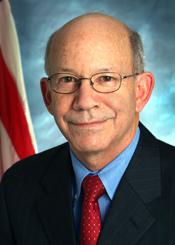
This bill designates the Department of Veterans Affairs clinic in Bend, Oregon, as the Robert D. Maxwell Department of Veterans Affairs Clinic or the Robert D. Maxwell VA Clinic.
United States · United States Congress · 25 June 2020
This resolution recognizes the United Nations (U.N.) for its role in maintaining international peace and security, applauds the U.N. for its leadership in responding to global health and humanitarian crises, and urges the President to call on Americans to observe the 75th anniversary of the establishment of the U.N.
United States · United States Congress · 24 June 2020
Research Investment to Spark the Economy Act or the RISE Act This bill authorizes the Departments of Agriculture, Commerce, Defense, Education, Energy, the Interior, and Health and Human Services and the National Aeronautics and Space Administration (NASA), National Science Foundation, and Environmental Protection Agency to provide support for research regarding COVID-19 (i.e., coronavirus disease 2019) or research disrupted by the COVID-19 pandemic. Support under this bill shall be provided through federal science agencies with at least $50 million in basic and applied research obligations in FY2020. Support may be used to provide supplemental funding to extend the duration of a grant to a research institution or national laboratory that was awarded prior to the enactment of this bill, or to expand the purposes of such a grant as specified; provide supplemental funding through existing competitively awarded cooperative agreements and contracts to cover the increased costs of construction of scientific facilities and equipment that have been delayed because of COVID-19; and award grants and cooperative agreements to institutions of higher education to conduct research on the behavioral, social, or economic effects of COVID-19 and the responses to the disease or on the effectiveness of such responses. Agencies must provide the support as rapidly as possible. Provided funds shall remain available for expenditure for up to two years.
United States · United States Congress · 24 June 2020
Accessible, Affordable Internet for All Act This bill establishes measures related to expanding broadband infrastructure and access in unserved and underserved communities. The bill creates the Office of Internet Connectivity and Growth, and it provides funding for programs that (1) promote digital equity and broadband capacity building, (2) provide discounts on broadband service for low-income consumers, and (3) subsidize internet services for schools and libraries. The bill establishes specified transparency requirements, such as making federal broadband data available to local governments. It also requires the Federal Communications Commission to expand broadband access for unserved and underserved communities and make the provision of Wi-Fi access on school buses eligible for support under the E-Rate program.
United States · United States Congress · 24 June 2020
HOME Investment Partnerships Reauthorization Act of 2020 This bill reauthorizes through FY2025 the HOME Investment Partnerships Program, which provides funds to states and local governments to create affordable housing for low-income individuals.
United States · United States Congress · 22 June 2020
Taxpayer Research and Coronavirus Knowledge Act of 2020 This bill requires the Department of Health and Human Services (HHS), in coordination with specified federal agencies, to compile a public, searchable database of federal contracts, tax benefits, and other support for COVID-19 (i.e., coronavirus disease 2019) biomedical research and development, including information regarding the source and amount of such support. HHS must develop the database within one month and update it every two weeks.
United States · United States Congress · 22 June 2020
Make Medications Affordable by Preventing Pandemic Price gouging Act of 2020 or the MMAPPP Act of 2020 This bill imposes licensing and price restrictions on federally supported drugs and other medicines intended to address COVID-19 (i.e., coronavirus disease 2019) or other public health emergencies. With respect to a COVID-19 drug patent developed using certain types of federal support, any license granted by the federal government shall be open and nonexclusive. Similarly, a licensee or assignee for such a patent shall grant open nonexclusive licenses for the patent. An entity that receives a license shall pay reasonable royalties to (1) the patent holder, or (2) the owner of marketing exclusivity rights granted by the Food and Drug Administration (FDA) that were terminated under this bill. The bill requires that such drugs be offered at a fair and reasonable price based on certain considerations, such as access. If the Department of Health and Human Services (HHS) finds that the price of any drug to address a public health emergency is excessive, HHS must void any FDA-granted exclusivity for the drug and grant open and nonexclusive licenses to other manufacturers. Such licenses are subject to reasonable royalty requirements.
United States · United States Congress · 18 June 2020
This resolution commemorates June 19, 1865, or Juneteenth, as the end of slavery in the United States. It also reaffirms the commitment of Congress to honor Juneteenth by supporting the enactment of policies that ensure fair and secure elections for all Americans.
United States · United States Congress · 15 June 2020
This resolution recognizes the historical significance and supports the continued celebration of Juneteenth Independence Day, which commemorates the end of slavery in the United States.
United States · United States Congress · 15 June 2020
Real Economic Support That Acknowledges Unique Restaurant Assistance Needed To Survive Act of 2020 or the RESTAURANTS Act of 2020 This bill temporarily establishes and provides funding for the Restaurant Revitalization Fund, from which the Department of the Treasury shall make grants to eligible food and beverage purveyors to cover specified costs. The amount of such a grant shall be reduced by the amount of (1) any emergency grant received for an economic injury disaster loan, or (2) any paycheck protection loan amount forgiven under the Paycheck Protection Program established to support small businesses in response to COVID-19 (i.e., coronavirus disease 2019). For the grant program's initial period, Treasury must (1) prioritize awarding grants to marginalized and underrepresented communities, and (2) only award grants to eligible food and beverage purveyors with annual revenues of less than $1.5 million.
United States · United States Congress · 15 June 2020
This resolution expresses the sense of the House of Representatives that Congress supports (1) reducing waste at the Department of Defense (DOD), (2) making cuts to DOD's budget while simultaneously improving support for members of the Armed Forces, (3) exercising aggressive oversight over DOD, (4) eliminating the Overseas Contingency Operations account, and (5) reallocating certain defense funds to instead support U.S. diplomacy and domestic programs. The resolution encourages (1) DOD to complete its full audit before the end of the year and report back to Congress immediately; and (2) the Department of State and other agencies to ensure U.S. safety through diplomacy, foreign assistance, and a strong economy.
United States · United States Congress · 15 June 2020
Confederate Monument Removal Act This bill prohibits a state from providing for display in National Statuary Hall a statue of a person who voluntarily served with the Confederate States of America, and it provides for the removal, return, and replacement of any statue currently on display that depicts such a person.
United States · United States Congress · 11 June 2020
This joint resolution nullifies a rule published on June 5, 2020, by the Office of the Comptroller of the Currency within the Department of the Treasury. The rule generally revises the office's implementation of the Community Reinvestment Act (CRA), which requires banks to serve the credit needs of low- and moderate-income communities. Under the CRA, a bank receives credit, which influences the bank's performance rating, for conducting specified activities related to this requirement in designated assessment areas. Among other things, the rule revises qualifying CRA activities, sets forth new procedures for determining if an activity qualifies under the CRA, and expands designated assessment areas.
United States · United States Congress · 11 June 2020
Law Enforcement Identification Act This bill requires federal law enforcement officers and members of the Armed Forces engaged in crowd control, riot control, or arrest or detainment of individuals engaged in an act of civil disobedience, demonstration, protest, or riot to display clearly visible identifying information.
United States · United States Congress · 11 June 2020
Honoring Real Patriots Act of 2020 This bill states that it is the policy of the United States that no military installation or other property under the jurisdiction of the Department of Defense (DOD) shall be named, or may remain named, after any individual who took up arms against the United States during the American Civil War or any individual or entity that supported such efforts. Not later than one year after the enactment of this bill, DOD shall change the name of each military installation and other property under its jurisdiction that is named after any individual who took up arms against the United States during the American Civil War or is named after any individual or entity that supported the effort to take up arms against the United States during such war.
United States · United States Congress · 11 June 2020
Investing in a New Vision for the Environment and Surface Transportation in America Act or the INVEST in America Act This bill addresses provisions related to federal-aid highway, transit, highway safety, motor carrier, research, hazardous materials, and rail programs of the Department of Transportation (DOT). Among other provisions, the bill extends FY2020 enacted levels through FY2021 for federal-aid highway, transit, and safety programs; reauthorizes for FY2022-FY2025 several surface transportation programs, including the federal-aid highway program, transit programs, highway safety, motor carrier safety, and rail programs; addresses climate change, including strategies to reduce the climate change impacts of the surface transportation system and conduct a vulnerability assessment to identify opportunities to enhance the resilience of the surface transportation system and ensure the efficient use of federal resources; revises Buy America procurement requirements for highways, mass transit, and rail; establishes a rebuild rural grant program to improve the safety, state of good repair, and connectivity of transportation infrastructure in rural communities; implements new safety requirements across all transportation modes; and directs DOT to establish a pilot program to demonstrate a national motor vehicle per-mile user fee to restore and maintain the long-term solvency of the Highway Trust Fund and achieve and maintain a state of good repair in the surface transportation system.
United States · United States Congress · 8 June 2020
Justice in Policing Act of 2020 This bill addresses a wide range of policies and issues regarding policing practices and law enforcement accountability. It includes measures to increase accountability for law enforcement misconduct, to enhance transparency and data collection, and to eliminate discriminatory policing practices. The bill facilitates federal enforcement of constitutional violations (e.g., excessive use of force) by state and local law enforcement. Among other things, it does the following: lowers the criminal intent standard—from willful to knowing or reckless—to convict a law enforcement officer for misconduct in a federal prosecution, limits qualified immunity as a defense to liability in a private civil action against a law enforcement officer or state correctional officer, and authorizes the Department of Justice to issue subpoenas in investigations of police departments for a pattern or practice of discrimination. The bill also creates a national registry—the National Police Misconduct Registry—to compile data on complaints and records of police misconduct. It establishes a framework to prohibit racial profiling at the federal, state, and local levels. The bill establishes new requirements for law enforcement officers and agencies, including to report data on use-of-force incidents, to obtain training on implicit bias and racial profiling, and to wear body cameras.
United States · United States Congress · 8 June 2020
Curtailing Insurrection act Violations of Individuals' Liberties Act or the CIVIL Act This bill prohibits the President from invoking authority to use military force to enforce federal authority or suppress an insurrection in a state unless a certification is made to Congress by the President, the Department of Defense, and the Department of Justice that a state governor has requested such assistance or that the state is unable or unwilling to suppress such an insurrection. The President must consult with Congress, in every instance possible, before invoking the authority to use military force. The bill terminates the authority to use military force to suppress an insurrection after 14 days unless Congress enacts a joint resolution extending such authority. It also sets forth provisions for expedited consideration of a joint resolution in the House of Representative and the Senate. The bill allows individuals or entities who have been injured by, or have a credible fear of injury from, the use of military force to bring a civil action for declaratory or injunctive relief.
United States · United States Congress · 4 June 2020
Investing in a New Vision for the Environment and Surface Transportation in America Act or the INVEST in America Act This bill addresses provisions related to federal-aid highway, transit, highway safety, motor carrier, research, hazardous materials, and rail programs of the Department of Transportation (DOT). Among other provisions, the bill extends FY2020 enacted levels through FY2021 for federal-aid highway, transit, and safety programs; reauthorizes for FY2022-FY2025 several surface transportation programs, including the federal-aid highway program, transit programs, highway safety, motor carrier safety, and rail programs; addresses climate change, including strategies to reduce the climate change impacts of the surface transportation system and conduct a vulnerability assessment to identify opportunities to enhance the resilience of the surface transportation system and ensure the efficient use of federal resources; revises Buy America procurement requirements for highways, mass transit, and rail; establishes a rebuild rural grant program to improve the safety, state of good repair, and connectivity of transportation infrastructure in rural communities; implements new safety requirements across all transportation modes; and directs DOT to establish a pilot program to demonstrate a national motor vehicle per-mile user fee to restore and maintain the long-term solvency of the Highway Trust Fund and achieve and maintain a state of good repair in the surface transportation system.
United States · United States Congress · 4 June 2020
This resolution recognizes racism as a national public health crisis and supports the creation of a truth and reconciliation process to address historic, enduring systemic and structural racism against black people.
United States · United States Congress · 4 June 2020
Great American Outdoors Act This bill establishes the National Parks and Public Land Legacy Restoration Fund to support deferred maintenance projects on federal lands. For FY2021-FY2025, there shall be deposited into the fund an amount equal to 50% of all federal revenues from the development of oil, gas, coal, or alternative or renewable energy on federal lands and waters. Deposited amounts must not exceed $1.9 billion for any fiscal year. The fund must be used for priority deferred maintenance projects in specified systems that are administered by the National Park Service, the Forest Service, the U.S. Fish and Wildlife Service, the Bureau of Land Management, and the Bureau of Indian Education. The Government Accountability Office must report on the effect of the fund in reducing the backlog of priority deferred maintenance projects for the specified agencies. Additionally, the bill makes funding for the Land and Water Conservation Fund (LWCF) permanent. The President shall annually report to Congress specified details regarding the allocation of funds to the LWCF. Congress may provide for alternate allocations using specified procedures.
United States · United States Congress · 4 June 2020
This concurrent resolution (1) affirms, on the 400th anniversary of the arrival of the first slave ship, the U.S. debt of remembrance not only to those who lived through the injustices of slavery but also to their descendants; and (2) proposes a U.S. Commission on Truth, Racial Healing, and Transformation to properly acknowledge, memorialize, and be a catalyst for progress, including toward permanently eliminating persistent racial inequities.
United States · United States Congress · 1 June 2020
VoteSafe Act of 2020 This bill expands vote-by-mail and early in-person voting during the 2020 federal elections. It also directs polling places to follow certain guidance related to COVID-19 (i.e., coronavirus disease 2019) preparedness. Specifically, each state and local jurisdiction must permit no-excuse mail-in absentee voting. Among other things, each state and jurisdiction must (1) provide a mail-in ballot with prepaid return postage to each registered voter who requests such a ballot, (2) allow voters to submit online ballot requests, (3) allow voters to cure certain signature discrepancies, and (4) provide secured drop-off boxes from 45 days before the date of the election. Each state and local jurisdiction must maintain an early in-person voting period of at least 20 days. Additionally, each state must establish a plan to ensure that polling places are implementing guidance from the Centers for Disease Control and Prevention related to COVID-19 preparedness. Among other requirements, each plan must (1) keep as many voting locations open as possible, (2) prepare polling locations to implement social distancing protocols, (3) provide sufficient quantities of hygiene and cleaning supplies at polling locations, and (4) provide additional compensation and protective equipment to poll workers. The Election Assistance Commission (EAC) must make a payment, within 30 days, to each state to carry out these requirements. Finally, the EAC must make payments to eligible states to carry out certain activities related to in-person voting, such as ensuring that elections are accessible to individuals with disabilities and implementing curbside voting.
United States · United States Congress · 1 June 2020
Special Districts Provide Essential Services Act This bill makes special districts eligible for payments from the Coronavirus Relief Fund if more than $150 billion is appropriated to the fund. The bill also directs the Board of Governors of the Federal Reserve System to include special districts as eligible issuers in the Municipal Liquidity Facility program. A special district is a political subdivision, formed pursuant to general law or special act of a state, for the purpose of performing one or more governmental or proprietary functions. Services that such districts provide include first responders, firefighting, public health, or transit.
United States · United States Congress · 1 June 2020
COVID-19 Pandemic Moment of Silence Act This bill directs the President to issue a proclamation designating a National Day of Mourning and Lament and calling on the people of the United States to observe a moment of silence to honor the memory of the lives lost in the United States due to the COVID-19 (i.e., coronavirus disease 2019) pandemic.
United States · United States Congress · 1 June 2020
Accelerating Access to Critical Therapies for ALS Act This bill establishes a grant program, as well as a new center within the Food and Drug Administration (FDA), to facilitate access to investigational therapies for neurodegenerative diseases such as amyotrophic lateral sclerosis (i.e., ALS, also known as Lou Gehrig's disease, a progressive and fatal disease). Specifically, the Department of Health and Human Services (HHS) must award grants for the provision of investigational drugs for ALS and other rapidly progressing neurodegenerative diseases through an expanded access (i.e., compassionate use) program. HHS may award these grants to (1) a small business that is the sponsor of an investigational new drug application, or (2) a participating clinical trial site for such a sponsor. Additionally, HHS must establish within the FDA a Center of Excellence for Neurodegenerative Diseases. The center shall have duties and authorities similar to those of the FDA's Oncology Center of Excellence, which helps expedite the development of medical products and assists providers in requesting access to investigational drugs.
United States · United States Congress · 1 June 2020
This resolution condemns acts of brutality, racial profiling, and the use of excessive force by law enforcement officers. It also calls for the end of militarized policing practices. The resolution supports strengthening efforts to promote accountability for individual law enforcement officers and police departments. Finally, it calls for the adoption of sound and unbiased law enforcement policies at all levels of government.
United States · United States Congress · 28 May 2020
Affordable Insulin for the COVID-19 Emergency Act This bill eliminates cost-sharing under the Medicare prescription drug benefit and Medicare Advantage for insulin and associated medical supplies during the public health emergency relating to COVID-19 (i.e., coronavirus disease 2019). The bill also allows beneficiaries to receive their insulin and supplies via mail order during the emergency period.
United States · United States Congress · 27 May 2020
Child Care Is Essential Act This bill establishes and provides $50 billion in appropriations for the Child Care Stabilization Fund to award grants to child care providers during and after the COVID-19 (i.e., coronavirus disease 2019) public health emergency. The bill establishes the fund within the existing Department of Health and Human Services Child Care and Development Block Grant (CCDBG) program, and the grants must be administered by the existing CCDBG lead agencies of states, tribes, or territories. Child care providers that are currently open or temporarily closed due to COVID-19 are eligible to receive grant awards, which are based on the provider's operating costs before the COVID-19 public health emergency and adjusted to account for the increased costs of providing child care as a result of COVID-19.
United States · United States Congress · 27 May 2020
Rural Broadband Acceleration Act This bill requires the Federal Communications Commission (FCC) to modify the framework for the Rural Digital Opportunity Fund Phase I auction, and it establishes a deadline for the FCC to create broadband service maps.
United States · United States Congress · 22 May 2020
National Guard COVID-19 Earned Benefits Guarantee Act This bill requires the Department of Defense and the Department of Veterans Affairs to treat full-time National Guard duty performed in response to the national emergency with respect to COVID-19 (i.e., coronavirus disease 2019) as a period of not shorter than 90 days (i.e., the threshold usually required for eligibility for certain retirement and education benefits). Members of Congress are excluded and must deploy for not fewer than 90 days to receive similar benefits eligibility.
United States · United States Congress · 22 May 2020
This resolution expresses support for a National Day of Mourning and other actions to honor the lives lost due to COVID-19 (i.e., coronavirus disease 2019) once the pandemic has ended.
United States · United States Congress · 22 May 2020
COVID-19 Dependent Care Flexible Spending Arrangement Rollover Act of 2020 This bill directs the Department of the Treasury to issue regulations or other guidance that permit the unused balance as of the end of plan year 2020 of any dependent care flexible spending arrangement to be rolled over to plan year 2021.
United States · United States Congress · 22 May 2020
This bill requires the Department of Defense to provide a National Guard member separating from active service after full-time duty in support of the government response to COVID-19 (i.e., coronavirus disease 2019) with the transitional health benefits provided to a separating active-duty reservist.
United States · United States Congress · 19 May 2020
This resolution expresses support for the goals and ideals of Polycystic Ovary Syndrome (PCOS) Awareness Month. PCOS is caused by a hormone imbalance. Symptoms can include infertility, weight gain, excess hair growth, and acne. It recognizes the need for further research, improved treatment and care options, and a cure for PCOS. It also acknowledges the struggles affecting all women and girls afflicted with PCOS.
United States · United States Congress · 19 May 2020
Paycheck Recovery Act of 2020 This bill directs the Department of the Treasury to establish a paycheck recovery program to provide grants for certain small businesses and employers that have lost revenue because of COVID-19 (i.e., coronavirus disease 2019) to pay wages and fixed expenses such as rent, utilities, and safety equipment. Treasury shall award such grants to employers that have experienced revenue losses above a 10% gross receipts threshold or to small businesses that employ 20 or fewer individuals and have annual gross receipts of less than $3 million. Recipients shall receive an initial, 90-day grant that covers the percentage of revenue loss multiplied by wages provided to an employee (up to a salary cap of $90,000), plus an additional 25% of total wages to cover business operating costs. Subsequent grants shall be disbursed on a monthly basis until the nationwide unemployment rate remains below 7% for three consecutive months, at which point Treasury shall terminate the program. An employer receiving a grant must meet certain conditions related to share repurchases, payments to shareholders or bondholders, and executive compensation and bonuses, as well as conditions relating to labor protections such as keeping employees on payroll and benefits. The bill also establishes a Congressional Paycheck Recovery Program Implementation Oversight Board to ensure employers that receive grants use the funds appropriately and comply with all conditions.
United States · United States Congress · 15 May 2020
Health Care Emergency Guarantee Act This bill requires the Department of Health and Human Services (HHS) to pay the out-of-pocket expenses of individuals receiving medically-necessary care or services during the COVID-19 (i.e., coronavirus disease 2019) pandemic. Specifically, the bill covers the costs for services provided through public or private health insurance and to uninsured individuals, including prescription drugs and care related to COVID-19, beginning on the date of enactment of this bill until a COVID-19 vaccine is widely available to the public. Health insurance plans are prohibited from increasing the cost-sharing requirements of plans while this program is in effect and HHS must report to Congress on the program on a weekly basis.
United States · United States Congress · 15 May 2020
This resolution supports the designation of ALS Awareness Month and commends efforts to improve the quality and length of life for patients with amyotrophic lateral sclerosis (ALS). ALS is a progressive neurodegenerative disease, also known as Lou Gehrig's disease, that affects nerve cells in the brain and spinal cord.
United States · United States Congress · 15 May 2020
Black History is American History Act This bill requires entities (e.g., institutions of higher education, libraries, and museums), in order to be eligible for certain grants administered by the Department of Education (ED), to include Black history in their teaching of American history. It also requires Black history to be included in tests administered by the National Assessment of Educational Progress (NAEP). Specifically, the bill mandates the inclusion of Black history as a required component of American history for such entities to be eligible for American History and Civics Academies' competitive grants. These grants support the establishment of (1) Presidential Academies for Teachers of American History and Civics, which offer workshops to teachers of American history and civics to strengthen their knowledge and prepare them to teach in these subjects; and (2) Congressional Academies for Students of American History and Civics, which support high school students in developing an understanding of these subjects. (Currently, Black history is not a required component of American history for either academy.) In addition, ED must give priority to grant applicants that align their activities with programs and resources of the Smithsonian Institution's National Museum of African American History and Culture. The bill also requires the inclusion of Black history in tests administered by the NAEP, which measures student academic achievement in various subjects.
United States · United States Congress · 14 May 2020
Public Health Emergency Privacy Act This bill imposes requirements on covered organizations concerning the privacy, confidentiality, and security of COVID-19 (i.e., coronavirus disease 2019) emergency health data, which is data that is linked to an individual or device, such as test results. Covered organizations include those that collect, use, or disclose such data electronically or that develop or operate websites or applications for contact tracing and other COVID-19 response activities. Among other actions, covered organizations must provide notice of privacy and other policies, as well as ensure the accuracy of, prevent discrimination based on, and limit disclosure of the data. Covered organizations that collect data from at least 100,000 individuals must publicly report additional information about how they use and disclose the data. The bill also prohibits the use of emergency health data for commercial advertising or in ways that restrict access to opportunities, services, and other accommodations. In addition, government entities and covered organizations shall not use emergency health data to infringe on the right to vote. The Department of Health and Human Services must report on the civil rights impact of the collection, use, and disclosure of health data. The bill provides for enforcement by the Federal Trade Commission, states, and a private right of action and specifies that pre-dispute resolution mechanisms, such as arbitration, are unenforceable with respect to disputes arising under the bill.
United States · United States Congress · 12 May 2020
Emergency Rental Assistance and Rental Market Stabilization Act of 2020 This bill authorizes the Department of Housing and Urban Development (HUD) to award additional grants under the Emergency Solutions Grant program to provide rental assistance for short-term and medium-term housing to homeless individuals or families, or those who are at risk of homelessness, and expands eligibility for such additional assistance. For assistance provided under the bill, the term at risk of homelessness shall include individuals and families that have an income below 80% of the median income for the area (rather than 30% of the area median income, as under current law). Rental assistance provided under the bill shall generally be limited to 120% of the HUD-established fair market rent for the area, whereas currently rental assistance under the program is generally limited to 100% of an area's fair market rent. Such assistance may not be conditioned on any prerequisite activities, such as receiving treatment. HUD may, with some limitations, waive requirements or establish alternative requirements related to such assistance if doing so is necessary to respond to the COVID-19 (i.e., coronavirus disease 2019) public health emergency.
United States · United States Congress · 12 May 2020
VoteSafe Act of 2020 This bill expands vote-by-mail and early in-person voting during the 2020 federal elections. It also directs polling places to follow certain guidance related to COVID-19 (i.e., coronavirus disease 2019) preparedness. Specifically, each state and local jurisdiction must permit no-excuse mail-in absentee voting. Among other things, each state and jurisdiction must (1) provide a mail-in ballot with prepaid return postage to each registered voter who requests such a ballot, (2) allow voters to submit online ballot requests, (3) allow voters to cure certain signature discrepancies, and (4) provide secured drop-off boxes from 45 days before the date of the election. Each state and local jurisdiction must maintain an early in-person voting period of at least 20 days. Additionally, each state must establish a plan to ensure that polling places are implementing guidance from the Centers for Disease Control and Prevention related to COVID-19 preparedness. Among other requirements, each plan must (1) keep as many voting locations open as possible, (2) prepare polling locations to implement social distancing protocols, (3) provide sufficient quantities of hygiene and cleaning supplies at polling locations, and (4) provide additional compensation and protective equipment to poll workers. The Election Assistance Commission (EAC) must make a payment, within 30 days, to each state to carry out these requirements. Finally, the EAC must make payments to eligible states to carry out certain activities related to in-person voting, such as ensuring that elections are accessible to individuals with disabilities and implementing curbside voting.
United States · United States Congress · 12 May 2020
Tribal Health Care Protection Fund Act This bill provides additional appropriations for the Public Health and Social Services Emergency Fund for the Indian Health Service, Indian tribes, tribal organizations, and urban Indian organizations to prevent, prepare for, respond to, and be reimbursed for certain expenses or lost revenues due to the coronavirus (i.e., the virus that causes COVID-19). Such funds must be available for, among other things, health care services, medical supplies and equipment (e.g., personal protective equipment and testing supplies), training, and surge capacity.
United States · United States Congress · 12 May 2020
COVID-19 Designation of Immediate Special Authority of Spectrum for Tribes' Emergency Response in Indian Country Act or the COVID-19 DISASTER in Indian Country Act This bill grants emergency special temporary authority and provides funds to deploy wireless broadband service on tribal lands and Hawaiian home lands. Specifically, the bill directs the Federal Communications Commission (FCC) to grant emergency special temporary authority to Indian tribes, certain tribal entities, and the Department of Hawaiian Home Lands if they request such authority to use electromagnetic spectrum to provide wireless broadband service over tribal lands or Hawaiian home lands. The FCC must grant such emergency authority within 10 days of receiving a request. In addition, the bill provides funds to specified Department of Agriculture grant programs for (1) immediate deployment of wireless broadband service on tribal lands and Hawaiian home lands, including repairs to damaged infrastructure and backhaul costs; and (2) technical assistance and training.
United States · United States Congress · 12 May 2020
Supporting Connectivity for Higher Education Students in Need Act This bill establishes and provides funds for the Emergency Higher Education Connectivity Fund. Specifically, the National Telecommunications and Information Administration (NTIA) must use the fund to support institutions of higher education (IHEs) in providing broadband internet access service, videoconferencing systems and services used for distance learning, and equipment (e.g., computers, Wi-Fi hotspots, and other one-time costs) to enrolled students during the COVID-19 (i.e., coronavirus disease 2019) public health emergency. The bill requires the NTIA, in consultation with the Department of Education, to promulgate regulations within 14 days related to support for IHEs. Among other things, the regulations must prioritize support for IHEs that receive certain institutional grants, including historically Black colleges and universities, minority-serving institutions, and rural-serving institutions; require IHEs to prioritize support for students who are eligible for need-based financial aid; and establish a schedule of reasonable per-student funding amounts for eligible services and equipment.
United States · United States Congress · 8 May 2020
Murder Hornet Eradication Act of 2020 This bill directs the Department of the Interior to establish a program to provide financial assistance to states for management, research, and public education activities necessary to (1) eradicate the Asian giant hornet, and (2) restore bee populations damaged by the Asian giant hornet.