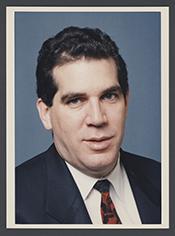
United States · United States Congress · 29 July 1998
Urges the President to focus appropriate attention on the issue of neighborhood crime prevention, community policing, and reduction of school crime by delivering speeches, convening meetings, and directing his Administration to make reducing crime an important priority.
United States · United States Congress · 23 July 1998
Medicaid and Children's Health Improvement Amendments of 1998 - Amends titles XIX (Medicaid) and XXI (Children's Health Insurance) (CHIP) of the Social Security Act to give States the option of covering certain legal immigrant children under Medicaid and CHIP. Directs the Secretary of Health and Human Services to provide for increased allotments under CHIP for the territories. Makes necessary appropriations.
United States · United States Congress · 22 July 1998
Expresses the sense of the Congress that: (1) Taiwan should be represented in the World Health Organization; and (2) it should be U.S. policy to support Taiwan's representation in the Organization.
United States · United States Congress · 17 July 1998
Declares that the Congress affirms: (1) its longstanding commitment to Taiwan in accordance with the Taiwan Relations Act; (2) its expectation that the future status of Taiwan will be determined by peaceful means, that the people of both sides of the Taiwan Strait should determine their own future, and that it considers any effort to determine or influence Taiwan's future status by other than peaceful means a threat to the peace and security of the Western Pacific region and of grave concern to the United States; (3) its commitment to make available to Taiwan such defense articles and services, including appropriate ballistic missile defenses, as may be necessary to enable Taiwan to maintain a sufficient self-defense capability; (4) that only the President and Congress shall determine the nature and quantity of defense articles and services needed by Taiwan; and (5) its strong support of appropriate membership for Taiwan in international financial institutions and other international organizations. Urges the President to seek a public renunciation by the People's Republic of China of any use of force, or threat to use force, against the free people of Taiwan.
United States · United States Congress · 16 July 1998
Harmful Algal Bloom and Hypoxia Research and Control Act of 1998 - Directs the President to establish an Inter-Agency Task Force on Harmful Algal Blooms and Hypoxia. Requires the Task Force to develop action plans on harmful algal blooms and on hypoxia. Directs the President to: (1) disestablish such Task Force after the submission of specified reports; and (2) submit a plan for reducing, mitigating, and controlling hypoxia in the northern Gulf of Mexico. Authorizes appropriations to the Secretary of Commerce for research, education, and management activities related to prevention, reduction, and control of harmful algal blooms and hypoxia. Amends the: (1) National Sea Grant College Program Act to expand the purposes for which a specified sum may be used for competitive grants for research on Pfiesteria piscicida and other harmful algal blooms; and (2) Coastal Zone Management Act to authorize appropriations for grants for technical assistance to support State implementation and analysis of the effectiveness of measures to prevent, reduce, mitigate, or control harmful algal blooms and hypoxia.
United States · United States Congress · 16 July 1998
Expresses: (1) the condolences of the Congress to the State and the people of Florida for the losses suffered as a result of the wild land fires occurring in June and July 1998; and (2) support to the State and the people of Florida as they overcome the effects of the fires. Commends: (1) the heroic efforts of the firefighters from across the Nation in battling the fires; and (2) the many Federal, State, and local government agencies that have contributed vital support functions in response to the fires.
United States · United States Congress · 15 July 1998
Brady Waiting Period Extension Act of 1998 - Amends the Brady Handgun Violence Prevention Act to provide for the establishment of a minimum 72-hour handgun purchase waiting period, unless: (1) a prospective purchaser presents a written statement from the chief law enforcement officer of his or her place of residence during a specified ten-day period, stating that access to a handgun is necessary because of a threat to that person's life or the life of any member of his or her household; or (2) the law of the State requires that an authorized State or local government official verify that the information available does not indicate that possession of a handgun by the prospective purchaser would violate the law. Requires, when a person applies to buy a handgun, that: (1) the licensed importer, manufacturer, or dealer contact the chief law enforcement officer of the prospective purchaser's place of residence; and (2) five (currently, three) business days have elapsed since the licensee contacted the national instant criminal background check system.
United States · United States Congress · 25 June 1998
Stolen Artwork Restitution Act of 1998 - Authorizes the Attorney General to make grants to qualified research organizations to identify and relocate stolen artwork. Directs the Attorney General to require reports from grant recipients as necessary and to transmit an annual report to the Congress listing the recipients. (Sec. 3) Authorizes an individual to request an inquiry upon producing sufficient evidence, according to standards established by the Attorney General, that artwork was stolen from the individual or from a member of the individual's family. Requires the seller or purchaser of artwork with a sales price of $5,000 or more that has been shipped in interstate or foreign commerce, if such request is made before the sale, to undertake a documented, reasonable inquiry into the ownership history of the artwork, including obtaining information from one or more missing or stolen artwork registries. (Sec. 4) Directs the Attorney General to undertake a documented, reasonable, multisource inquiry, including obtaining information from one or more missing or stolen artwork registries to determine whether any artwork in the possession of the Government has been stolen. Sets forth reporting requirements. (Sec. 5) Expresses the sense of the Congress that: (1) a purchaser or seller of artwork who fails to undertake an inquiry required under this Act should not be permitted to assert in a court in the United States a claim, under Federal, State, or otherwise applicable law, to ownership or former ownership of the artwork; (2) all museums and auction houses should undertake documented, reasonable, multisource inquiries, including obtaining information from one or more missing or stolen artwork registries to determine whether the artwork in their possession has been stolen; (3) all governments in possession of artwork stolen from victims of the Holocaust should return that artwork to its rightful owners; and (4) parties disputing the ownership of stolen artwork should attempt to resolve their disputes by alternative means, such as by arbitration, before seeking judicial remedies. (Sec. 6) Specifies that published or unpublished literary works shall not be considered artwork for purposes of this Act. (Sec. 8) Authorizes appropriations.
United States · United States Congress · 24 June 1998
Condemns the repressive policies of the Government of the former Soviet Union during the Ukrainian Famine of 1932-1933. Expresses the sense of the Congress: (1) in remembrance of the victims of the Famine; and (2) that any supplemental material that will assist in disseminating information about the Famine should be compiled and made available worldwide.
United States · United States Congress · 11 June 1998
Designates the U.S. Postal Service buildings located at: (1) 3191 Grand Avenue in Coconut Grove, Florida, as the William R. "Billy" Rolle Post Office Building; (2) 550 Fisherman Street in Opa Locka, Florida, as the Helen Miller Post Office Building; (3) 18690 N.W. 37th Avenue in Carol City, Florida, as the Esse Silva Post Office Building; (4) 500 North West 2d Avenue in Miami, Florida, as the Athalie Range Post Office Building; and (5) 995 North West 119th Street in Miami, Florida, as the Garth Reeves, Sr. Post Office Building.
United States · United States Congress · 11 June 1998
Amends title XIX (Medicaid) of the Social Security Act to prohibit transfers or discharges of residents of nursing facilities as a result of a facility's voluntary withdrawal from participation in the Medicaid program as long as such residents resided in the facility before the withdrawal. Requires a withdrawn facility to provide appropriate notice to new residents who begin residence after the withdrawal that the facility: (1) is not participating in the Medicaid program with respect to that resident; and (2) may transfer or discharge the resident from the facility at such time as the resident is unable to pay the charges of the facility, even though the resident may have become eligible for Medicaid's nursing facility services.
United States · United States Congress · 11 June 1998
Florida Keys Water Quality Improvements Act of 1998 - Directs the Administrator of the Environmental Protection Agency to make grants to the Florida Keys Aqueduct Authority or other appropriate agencies of the State of Florida or Monroe County, Florida. Makes eligible for such grants projects to: (1) replace inadequate wastewater treatment systems in the County; (2) establish, replace, or improve stormwater management systems in the County; or (3) improve water quality in the Florida Keys National Marine Sanctuary. Requires such grants to be consistent with specified growth management ordinances and agreements, policies of the Water Quality Steering Committee, and Federal water quality standards. Sets forth conditions on grants, including non-Federal cost share and planning and assessment requirements. Authorizes appropriations.
United States · United States Congress · 11 June 1998
Persian Gulf War Veterans Health Act of 1998 - Presumes to be service-connected (and therefore compensable or treatable under Federal veterans' benefits provisions) an illness that: (1) the Secretary of Veterans Affairs determines to have a positive association with a biological, chemical, or other toxic agent or environmental or wartime hazard (agent or hazard) associated with service in the southwest Asia theater of operations during the Persian Gulf War; and (2) becomes manifest in a veteran who was exposed to such agent or hazard by reason of such service. Presumes such exposure unless there is conclusive evidence otherwise. Directs the Secretary to contract with an independent scientific body to establish a panel for reviewing medical and scientific literature to identify those diseases and illnesses associated with exposure of humans or animals to specified pesticides, agents, compounds, particulates, radiation, and pollutants. Requires each disease or illness identified that becomes manifest in a Gulf veteran to be presumed to be service-connected. Authorizes appropriations. Requires the updating of presumed exposures. Enumerates the pesticides, agents, compounds, particulates, radiation, and pollutants to which Gulf veterans shall be presumed to have been exposed. Directs the Secretary to submit to the Congress a plan for establishing a panel to review the statistical occurrence of both diagnosed and undiagnosed illnesses and symptoms among Gulf War veterans and their families. Directs the President to submit to the Congress a plan for the establishment of a permanent expert advisory group to advise the President and the congressional defense and intelligence committees on the adequacy of current U.S. chemical, biological, and radiological defense technologies, procurement practices, and doctrine for defending U.S. forces against both the immediate and chronic consequences of acute and subacute exposures to chemical, biological, radiological, or other genotoxic battlefield materials.
United States · United States Congress · 5 June 1998
Nazi War Crimes Disclosure Act - Establishes the Nazi War Criminal Records Interagency Working Group to locate, identify, inventory, recommend for declassification, and make available to the public at the National Archives and Records Administration, all classified Nazi war criminal records of the United States. Requires that: (1) Group members include the Director of the Holocaust Museum, the Historian of the Department of State, and the Archivist of the United States; and (2) the Group submit a report to the Congress describing all such records, their disposition, and the Interagency Group's activities. Authorizes appropriations. Requires such records to be released in their entirety, except that an agency head may exempt from release specific information that would compromise privacy, national security, or U.S. foreign policy, as specified. States that in applying the exemptions there shall be a presumption that the public interest in the release of Nazi war criminal records will be served by disclosure and release of the records. Permits assertion of such exemption only when the agency head determines that disclosure and release would be harmful to a specific interest identified. Requires such a determination to be promptly reported to the appropriate congressional committees, including the Senate Committee on the Judiciary and the House Committee on Government Reform and Oversight. Subjects such exemptions to the same standard of review that applies to records withheld under the Freedom of Information Act (FOIA) for matters that are specifically authorized by an executive order to be kept secret in the interest of national defense or foreign policy. Provides an additional exception from disclosure for records: (1) related to or supporting any investigation, inquiry, or prosecution by the Office of Special Investigations of the Department of Justice; or (2) solely in the possession or control of that office. Amends the National Security Act of 1947 to provide that the exemption from public disclosure authorized under such Act for operational files of the Central Intelligence Agency shall not apply to information regarding any operational file, or portion of any operational file that constitutes a Nazi war criminal record. Provides for expedited processing of FOIA requests for Nazi war criminal records.
United States · United States Congress · 3 June 1998
Recognizes that individuals who abuse animals are more likely to commit more serious violent crimes against humans. Urges: (1) social workers, teachers, mental health professionals, and others to be aware of the connection between animal cruelty and human violence and to evaluate carefully and monitor closely individuals who have a history of abusing animals; (2) appropriate Federal agencies to encourage and support research to increase the understanding of the connection between cruelty to animals and violence against humans; (3) Federal agencies which are undertaking research on violent crime and its causes to incorporate examination of the link between violence against animals and violence against humans; and (4) local law enforcement officials to treat cases of animal cruelty seriously. Commends the work of local animal control officials and humane investigators who enforce laws against animal abuse. Urges them to work more closely with local law enforcement personnel to identify and prevent potential violence against humans.
United States · United States Congress · 22 May 1998
ICCVAM Authorization Act of 1998 - States that the Interagency Coordinating Committee on the Validation of Alternative Methods (ICCVAM) shall be sustained as a permanent standing committee administered by the National Institute of Environmental Health Sciences. Sets forth ICCVAM objectives, including: (1) increasing the efficiency of Federal test method review; and (2) reducing animal testing. Directs the Institute to establish a Scientific Advisory Committee. Requires each Federal agency to: (1) identify and forward to ICCVAM those guidelines or regulations it follows requiring or recommending animal testing; (2) promote valid alternatives to animal testing; and (3) adopt ICCVAM recommendations unless such recommendations are inadequate or unsatisfactory.
United States · United States Congress · 14 May 1998
TABLE OF CONTENTS: Title I: Price Increase to Discourage Child Tobacco Use Title II: FDA Jurisdiction Over Tobacco Products Title III: Performance Objectives to Reduce Child Tobacco Use Title IV: Smoke-Free Environments Title V: Tobacco Prevention Initiatives Title VI: International Tobacco Control Title VII: Tobacco Accountability Board Title VIII: Payments to States Subtitle A: Resolution of State Actions Subtitle B: State Grants Title IX: Definitions Bipartisan NO Tobacco for Kids Act of 1998 - Title I: Price Increase to Discourage Child Tobacco Use - Requires that the funds raised by this title be used to reduce the public debt, except as provided in titles V and VIII. (Sec. 102) Requires each tobacco manufacturer (defining manufacturer, for this Act, to include importers) to make initial ($10 billion allocated by the manufacturer's share of units manufactured or imported) and annual (50 cents per unit manufactured or imported) payments. Excludes exports. (Sec. 103) Provides for injunctions and civil monetary penalties for failure to comply with regulations under this title. Title II: FDA Jurisdiction Over Tobacco Products - Amends the Federal Food, Drug, and Cosmetic Act (FDCA) to add nicotine in tobacco products to the definition of "drug" and add tobacco products to the definition of "device." (Sec. 203) Declares a tobacco product misbranded if it does not comply with section 205 requirements. Amends restricted device provisions to authorize the Secretary of Health and Human Services, if the Secretary determines that there cannot otherwise be reasonable assurances of safety and effectiveness, to require tobacco advertising and promotion restrictions. Prohibits State and local requirements of warnings on labels and in advertising if this Act requires a warning. (Sec. 204) Requires that all provisions of specified existing tobacco regulations be considered lawful and lawfully promulgated under the FDCA. (Sec. 205) Deems, for tobacco products, an action providing appropriate protection of public health to provide a reasonable assurance of safety and effectiveness. Mandates regulations, conforming to specified provisions of the Proposed Resolution between manufacturers and State attorneys general on June 20, 1997: (1) restricting tobacco marketing, advertising, and access (but prohibits restrictions on marketing or advertising that would violate the First Amendment to the Constitution); (2) requiring warnings on cigarette and smokeless tobacco labeling and advertisements; and (3) regarding tobacco product ingredients. Makes it unlawful to advertise tobacco on any electronic medium subject to the jurisdiction of the Federal Communications Commission. Prohibits considering the Secretary of Health and Human Services' failure to approve or disapprove an ingredient's safety within the review period to be approval. Prohibits a manufacturer from stating or implying in labeling or advertising that a product has a reduced health risk unless the Secretary has so determined. Prohibits a State from receiving a grant under subtitle B of title VIII of this Act unless the State has put into law a tobacco control program conforming to the model State program established by the Secretary. Mandates establishment of that model program, including in its requirements State retail licensure, a prohibition of tobacco purchase for resale or distribution to individuals under 18, compliance inspection conduct and frequency, State performance objectives, and violations penalties. Requires, if a State fails to implement a conforming program or fails to achieve the performance objectives, that the Secretary withhold up to 20 percent of the grant to the State under subtitle B of title VIII of this Act. Mandates a Federal retail licensing program for retailers on Federal property, retailers in a State without an effective program conforming to the model program, and others as specified by the Secretary. Authorizes the Secretary to order a State-licensed retailer in violation of this Act to suspend or cease tobacco sales. Treats Indian tribes and tribal organizations as a State regarding retailers operating on Indian reservations. (Sec. 206) Adds violation of any FDCA tobacco requirement to the list of FDCA prohibited acts. Authorizes the Secretary to disclose tobacco information to the public if the Secretary determines it appropriate to protect public health. (Sec. 207) Repeals the Federal Cigarette Labeling and Advertising Act and the Comprehensive Smokeless Tobacco Health Education Act of 1986. Title III: Performance Objectives to Reduce Child Tobacco Use - Mandates an annual survey regarding the percentage of children using each manufacturer's tobacco product. (Sec. 302) Requires each manufacturer to have a performance objective of reducing its child tobacco use by specified percentages. Requires, if the reductions are not met, price increases and, for subsequent consecutive year failures, sales by carton minimum and packaging in black on a white background. (Sec. 306) Makes failure to comply with this title's requirements an FDCA prohibited act. (Sec. 307) Requires that the annual survey determine the use level for children of different racial and ethnic backgrounds. Mandates, if use is increasing (or not decreasing at a proportionate rate) among children of a racial or ethnic background, recommendations to the Congress regarding reducing the level for those children. Title IV: Smoke-Free Environments - Requires the responsible entity for each public facility (any building in which activities substantially affecting interstate commerce occur, subject to exceptions for locations such as residential buildings, on-sale alcoholic beverage establishments, and prisons) to implement a smoke-free environment policy meeting specified requirements. Allows smoking areas meeting certain requirements. (Sec. 402) Authorizes an action to enforce this title (by injunction or civil monetary penalty) by any aggrieved person, State or local governmental agency, or the Administrator of the Environmental Protection Agency, allowing the award of litigation costs (including attorney's and expert fees) to any prevailing party. Authorizes the court to order that the civil penalties be used for projects furthering this title. Prohibits compensatory and punitive damages. (Sec 403) Authorizes the Administrator to extend the smoke-free policy requirement to certain otherwise-exempt facilities if the Administrator determines that the extension is appropriate to protect the public health. (Sec. 405) Declares that this title does not preempt or affect any other Federal, State, or local law providing protection from environmental tobacco health hazards. Title V: Tobacco Prevention Initiatives - Requires that funds be made available (from annual manufacturer payments under section 102) to the Secretary of Health and Human Services, without fiscal year limitation, for: (1) a national public awareness campaign to discourage tobacco use; (2) the implementation of FDCA tobacco provisions, title III of this Act, and Tobacco Accountability Board provisions of this Act; (3) tobacco use cessation programs (mandating grants); (4) research on nicotine addiction, cessation, and prevention; and (5) tobacco surveillance and epidemiology research. Requires that certain programs under this title: (1) take into account the needs of minority populations; and (2) be age, culturally, and linguistically appropriate for those populations. Title VI: International Tobacco Control - Mandates regulations to prohibit domestic concerns from directly or indirectly: (1) selling or distributing tobacco in a foreign country without warning labels appropriate to protect public health; or (2) selling or distributing tobacco in a foreign country to children or advertising or promoting it in a way that appeals to children. Adds violations to the list of FDCA prohibited acts. (Sec. 602) Prohibits any U.S. officer, employee, department, or agency from: (1) promoting tobacco export or foreign sale, manufacture, promotion, distribution, or use; or (2) subject to exception, seeking the removal or reduction of foreign restrictions on tobacco importation, exportation, sale, manufacture, promotion, distribution, tariffs, or taxes. (Sec. 603) Establishes in the Treasury the International Tobacco Control Trust Fund, to be funded by payments under section 605. Provides for the use of Fund amounts for: (1) the American Center on Global Health and Tobacco; (2) grants and other assistance to foreign governments, nongovernmental organizations, and international organizations for foreign tobacco control; and (3) enforcement of any requirement regarding foreign tobacco sale, distribution, or promotion. (Sec. 604) Establishes the American Center on Global Health and Tobacco (ACT) as a private, nonprofit corporation, requiring it to assist foreign organizations to reduce and prevent tobacco use, including through public awareness campaigns and youth-oriented and community-based programs. (Sec. 605) Requires each domestic concern that manufactures tobacco in a foreign country (or controls a person who does so) to annually pay to the Fund a specified amount per unit manufactured. (Sec. 606) Mandates regulations to reduce tobacco smuggling in interstate and foreign commerce. (Sec. 607) Expresses the sense of the Congress that the Government should support implementation of the International Framework Convention on Tobacco Control through all available resources. Title VII: Tobacco Accountability Board - Establishes the Tobacco Accountability Board as an independent board. Requires each tobacco manufacturer to submit to the Board all documents in the manufacturer's possession: (1) relating to tobacco health effects (including addiction), the manipulation of nicotine, or tobacco sale or marketing to children; or (2) produced or ordered to be produced in a named civil action. Requires the Board to make the documents available to the public. Exempts trade secrets from public disclosure unless the Board determines that disclosure is appropriate to protect the public health. (Sec. 703) Requires the Board to investigate all matters relating to tobacco and public health and report to the Congress annually. (Sec. 705) Empowers the Board to bring an action to enjoin a failure to comply with this title or to impose a civil monetary penalty. (Sec 707) Prohibits discrimination against an individual as a reprisal for disclosing information regarding a violation of tobacco-related law. Applies to whistleblowers existing provisions of Federal law allowing whistleblowers to receive a portion of any false claims amounts recovered. Title VIII: Payments to States - Subtitle A: Resolution of State Actions - Allows a State to elect to receive payments under section 802 instead of seeking recovery from manufacturers for health care costs attributable to tobacco use. Prohibits a State that so elects from seeking recovery from manufacturers, except for actions after enactment of this Act or for criminal prosecutions. (Sec. 802) Directs the Secretary of the Treasury to pay to any State so electing the amount the State would have received under the Proposed Resolution between manufacturers and State attorneys general. Requires a State to pass payments through to local governments in proportion to the local government's tobacco use health care costs. Makes a State that fails to pass through payments ineligible for this section's future payments. (Sec. 803) Exempts a manufacturer from the portion of the section 102 payments that will be provided to States under this title if the manufacturer: (1) resolved tobacco-related civil actions with more than 25 States before 1998; (2) provided to all other States the opportunity to enter into substantially similar settlements; and (3) manufactures less than three percent of all cigarettes manufactured or imported in the United States. Subtitle B: State Grants - Requires that funds be made available annually from amounts paid under section 102, without fiscal year limitation, for grants to States with approved child-oriented or community-based programs to discourage tobacco use. (Sec. 812) Amends title XIX (Medicaid) of the Social Security Act to authorize payment to States for a specified percentage of the State's Medicaid expenditures for tobacco use cessation programs. Title IX: Definitions - Sets forth definitions for this Act.
United States · United States Congress · 13 May 1998
Children's Hospitals Education and Research Act of 1998 - Directs the Secretary of Health and Human Services to make payment as specified to each children's hospital for each hospital cost reporting period beginning during FY 1999 or 2000 for the direct and indirect expenses associated with operating approved medical residency training programs. States that such payments are in lieu of certain Medicare payments to hospitals for inpatient hospital services, but shall not affect the amounts otherwise payable to such hospitals under a State Medicaid plan. Makes appropriations for such payments for such fiscal years.
United States · United States Congress · 12 May 1998
Reinstatement of the Medicare Rehabilitation Benefit Act of 1998 - Amends title XVIII (Medicare) of the Social Security Act to repeal the financial limitation on rehabilitation services under part B (Supplementary Medical Insurance) of the Medicare program. Provides that for outpatient physical therapy services, outpatient occupational therapy services, and outpatient speech-language pathology services covered under Medicare and furnished on or after January 1, 2000, the Secretary of Health and Human Services shall implement a new payment methodology based on the classification of individuals by diagnostic category, functional status, and prior use of services in both inpatient and outpatient settings. Requires that such payment methodology be designed so that, taking into account the increased expenditures resulting from this Act, it does not result in any increase or decrease in the expenditures under Medicare on a fiscal year basis.
United States · United States Congress · 30 April 1998
Sound Science, Safe Imports, and Healthy Communities Act of 1998 - Prohibits the Secretary of Agriculture from implementing a final rule permitting importation of Brazilian papayas into the continental United States, Alaska, Puerto Rico, or the Virgin Islands until certain agricultural and environmental requirements have been met to prevent introduction of the Mediterranean and South American fruit flies and other plant pests and diseases into the United States (and specifically, Florida).
United States · United States Congress · 30 April 1998
Breast and Cervical Cancer Treatment Act of 1998 - Amends title XIX (Medicaid) of the Social Security Act to give States the option of making medical assistance for breast and cervical cancer-related treatment services available to certain low-income women without creditable coverage during a presumptive eligibility period. Provides for an enhanced match with regard to such treatment services.
United States · United States Congress · 29 April 1998
Iran Nuclear Proliferation Prevention Act of 1998 - Amends the Foreign Assistance Act of 1961 to withhold U.S. voluntary contributions from programs and projects of the International Atomic Energy Agency in Iran. Instructs the Secretary of State to review and report annually to the Congress on all Agency programs and projects in specified countries to determine if they are consistent with U.S. nuclear nonproliferation and safety goals. Requires the Secretary to direct the U.S. representative to the Agency to oppose: (1) Agency programs determined inconsistent with U.S. nuclear nonproliferation and safety goals; (2) technical assistance programs or projects designed to develop or complete the Bushehr nuclear power plant in Iran; and (3) any other Agency program or project which transfers nuclear materials or technology to Iran. Directs the Secretary to report annually to the Congress for five years on specified aspects of annual Agency assistance to Iran, including nuclear materials technology transfer, and inconsistencies between Agency technical assistance programs and U.S. nuclear nonproliferation and safety goals. Expresses the sense of the Congress that the United States should pursue internal Agency reforms that will ensure that all programs funded under its technical cooperation program are compatible with U.S. nuclear nonproliferation policy.
United States · United States Congress · 1 April 1998
TABLE OF CONTENTS: Title I: Violence Against Women Act of 1994 Title II: Family Violence Prevention and Services Act Title III: Older Americans Act of 1965 Title IV: Public Health Service Act Title V: Right to Financial Privacy Act of 1978 Older Women's Protection From Violence Act of 1998 - Title I: Violence Against Women Act of 1994 - Amends the Violence against Women Act of 1994 to direct the Attorney General to: (1) make grants to law school clinical programs to fund the inclusion of cases addressing issues of elder abuse, neglect, and exploitation, including domestic violence, and sexual assault against older individuals; and (2) develop curricula and provide for the offering of training programs regarding such issues for law enforcement officers, prosecutors, and relevant Federal, State, and local court officials. Authorizes appropriations. Title II: Family Violence Prevention and Services Act - Amends the Family Violence Prevention and Services Act to include elder domestic abuse and adult protective services within its ambit of services, grants, and demonstration grants for community initiatives. Title III: Older Americans Act of 1965 - Amends the Older Americans Act of 1965 to direct the Assistant Secretary of Health and Human Services for Aging to consider the importance of research about the sexual assault of older women when establishing research priorities for grants or contracts for research and demonstration projects on elder abuse. (Sec. 303) Authorizes appropriations without fiscal year limitation for grants to implement a State long-term care ombudsman program. (Sec. 304) Directs the Assistant Secretary, when making grants and contracts, to give special consideration to projects designed to: (1) expand access to domestic violence shelters and programs for older individuals and encourage the use of certain facilities as emergency short-term shelters; and (2) promote research on legal, organizational, or training impediments to providing services to older individuals through shelters and programs. (Sec. 305) Authorizes appropriations without fiscal year limitation for the ombudsman program and for the elder abuse prevention program. (Sec. 306) Directs the Secretary to make grants to: (1) nonprofit private organizations to support projects in local communities to coordinate activities for intervention in and prevention of elder abuse, including domestic violence and sexual assault; and (2) develop outreach programs for assisting victims of elder abuse, including some for assisting individuals in certain senior housing facilities. Authorizes appropriations. (Sec. 307) Directs the Secretary to develop curricula and implement continuing education training programs for certain providers of health care and social services to improve their ability to recognize and address elder abuse situations. Title IV: Public Health Service Act - Elder Abuse Identification and Referral Act of 1998 - Amends the Public Health Service Act to instruct the Secretary, when awarding grants or contracts, to give preferences to health professions schools or programs that condition the awarding of their degrees or certificates upon significant student training in specified areas of elder abuse identification and treatment. Title V: Right to Financial Privacy Act of 1978 - Amends the Right to Financial Privacy Act of 1978 to permit a financial institution to report suspected financial exploitation of an older individual to law enforcement entities, or government-regulated adult protective services entities. Shields such institution from liability for making such disclosure.
United States · United States Congress · 31 March 1998
National Oilheat Research Alliance Act of 1998 - Authorizes the oilheat industry to conduct a referendum through a qualified industry organization among retailers and wholesalers for the creation of a National Oilheat Research Alliance to develop programs concerning oilheat research and development, safety issues, consumer education, and training. Defines industry to include those persons involved in the production, transportation, and sale of oilheat, and in the manufacture and distribution of oilheat utilization equipment, in the United States (but not the ultimate consumers of oilheat). Permits State participation in such Alliance. Prescribes guidelines for Alliance membership and representation. Requires the Alliance to: (1) establish a program coordinating its operation with that of any similar State, local, or regional program; and (2) levy and collect annual assessments on the wholesale sale of No. 1 distillate and No. 2 dyed distillate sufficient to cover Alliance plans and program costs. Empowers the Alliance to bring suit in Federal court to compel compliance with any assessments it levies.
United States · United States Congress · 30 March 1998
TABLE OF CONTENTS: Title I: Brownfield Remediation and Environmental Cleanup Subtitle A: Innocent Landowners and Prospective Purchaser Liability Subtitle B: Brownfield Remediation and Environmental Cleanup Subtitle C: State Voluntary Response Programs Title II: Liability Title III: Remedy Title IV: Community Participation and Human Health Subtitle A: Community Participation Subtitle B: Human Health Subtitle C: General Provisions Title V: Natural Resource Damages Title VI: Federal Facilities Title VII: State Roles Title VIII: Funding Title IX: Miscellaneous Title X: 5-Year Extension of Hazardous Substance Superfund Superfund Improvement Act of 1998 - Title I: Brownfield Remediation and Environmental Cleanup - Subtitle A: Innocent Landowners and Prospective Purchaser Liability - Amends the Comprehensive Environmental Response, Compensation, and Liability Act of 1980 (CERCLA), with respect to defenses to liability of an owner of after-acquired property, to deem a person to have made (under current law, "undertaken") appropriate inquiry into the property's previous ownership and uses if the person establishes that an environmental site assessment was conducted which meets specified requirements (compliance with an American Society for Testing and Materials standard or with standards issued by the President) and the person fulfills certain responsibilities concerning information compilation, exercise of appropriate care with respect to hazardous substances at the facility, and cooperation with those conducting response actions. (Sec. 102) Absolves from liability for response actions bona fide prospective purchasers to the extent liability at a facility for a release or threat thereof is based solely on ownership or operation of a facility. Gives a lien upon a facility to the United States for unrecovered response costs in any case in which there are such unrecovered costs for which the owner is not liable by reason of the prospective purchaser exemption and the facility's fair market value has increased above that which existed 180 days before the action was taken. (Sec. 103) Adds CERCLA provisions granting conditional exemptions from liability to persons owning or operating property contiguous to a release site. Subtitle B: Brownfield Remediation and Environmental Cleanup - Directs the Administrator (Administrator) of the Environmental Protection Agency (EPA) to establish a program to provide grants to local governments to inventory and conduct site assessments of brownfield sites. Defines a "brownfield site" as a parcel of land that contains or contained abandoned or under-used commercial or industrial facilities, the expansion or redevelopment of which is complicated by the presence or potential presence of hazardous substances, pollutants, or contaminants. Directs the Administrator to establish a program of grants to local governments for capitalization of loan programs for brownfield site cleanup by the locality or owner or prospective purchaser. Requires the Administrator to report to specified congressional committees on programs established under this subtitle. Authorizes appropriations from the Hazardous Substance Superfund (Superfund) to carry out such grant programs. Subtitle C: State Voluntary Response Programs - Adds provisions requiring the Administrator to provide technical and other assistance to States to establish and enhance State voluntary response programs, comprised of elements including public participation opportunities, oversight and enforcement authorities, and certification mechanisms. Authorizes appropriations from Superfund for FY 1999 through 2003 for such programs. Title II: Liability - Provides an exemption to liability, with exceptions, for response costs or actions with respect to National Priority List (NPL) facilities for certain small businesses whose liability is based solely on arranging for disposal, treatment, or transport of, or accepting, the hazardous substance concerned. Sets forth provisions regarding the preservation of certain contribution claims with respect to small businesses, a moratorium on the continuation or commencement of suits regarding such claims, and settlements with small businesses. Exempts from liability based solely on arrangement or acceptance provisions certain: (1) de micromis parties; and (2) individuals or small businesses or nonprofit organizations where the activities concerned involved municipal solid waste (MSW). Absolves of liability: (1) certain owners or operators who acquired the facility concerned by inheritance or bequest; (2) Federal, State, or municipal entities whose liability is based solely on ownership of a road or other right-of-way or transportation route over which hazardous substances are transported or on the granting of a business license; and (3) certain railroad owners or operators of spur tracks. Makes persons who commence recovery or contribution actions after this Act's enactment against parties not liable due to small business, de micromis, or MSW exemptions described above liable for all reasonable costs of defending such actions. Limits liability for certain tax-exempt organizations that receive an affected vessel or facility as a charitable contribution. Makes municipalities currently liable for response costs on the basis of ownership or operation of a municipal landfill listed on the NPL on or before October 1, 1997, eligible for settlements. Limits liability to 20 percent of total response costs, but authorizes the President to increase such percentage to up to 35 percent under certain conditions. Authorizes the President to require such municipalities to perform or participate in response actions at the facility. Considers two or more municipalities that jointly own or operate a facility to be a single owner for purposes of calculating settlement offers. Authorizes the President to require such municipalities to waive some or all claims or causes of action against other potentially responsible parties (PRPs) with respect to a site. Conditions eligibility for limited municipal liability on the acts or omissions giving rise to liability having occurred before a date two years after this Act's enactment or on the municipality participating in a qualified household hazardous waste disposal program by such date. Sets forth cases in which the President may decline to offer such settlements. Makes liable parties who fail to take proper remedial or response actions liable to the United States for response costs incurred as a result of such failure to take action, in addition to potential punitive damages authorized under existing law. (Sec. 203) Extends certain provisions relating to surety bonds with respect to direct Federal procurement of response actions. (Sec. 204) Adds to the list of parties eligible for expedited final settlements: (1) persons whose liability is based on arranging for disposal, treatment, transport of, or on accepting, MSW or municipal sewage sludge at an NPL facility; and (2) persons, small businesses, or municipalities who demonstrate an inability or limited ability to pay response costs. Revises conditions of eligibility for such settlements for de minimis parties. Makes municipalities that arranged for disposal, treatment, or transport of, or that accepted, such waste or sludge that are also liable as owners or operators eligible for expedited settlements as well. Permits the President to consider alternative payment methods for small businesses that are unable to pay settlement amounts immediately. Authorizes the President to require, as a condition of expedited settlements, that a PRP waive some or all of the claims or causes of action that the party may have against other PRPs relating to the site. Establishes a moratorium on litigation for recovery or contribution of response costs from certain persons eligible for expedited settlements within a specified time frame. (Sec. 205) Expands information regarding concerned facilities that may be required to be provided to Federal employees or officials. Authorizes the Administrator to issue subpoenas to obtain information related to facilities or cleanups. Makes information obtained pursuant to contracts to perform work available to the public, with exceptions. Sets forth confidentiality requirements for Government contractors with respect to such information. (Sec. 206) Authorizes the President to amend or issue administrative orders, without determining that there may be an imminent and substantial endangerment, to complete, or require additional, response actions necessary to respond to a release or threatened release. (Sec. 207) Revises contribution provisions to require an action by a PRP against another PRP for recovery of costs to be commenced within the later of: (1) three years after completion of a removal action or within six years after initiation of physical on-site construction for a remedial action (unless such remedial action has been the subject of a previous cost recovery action); or (2) three years after the date of judgment in any action for recovery or the date of any administrative order or judicial settlement for recovery of costs or damages paid. (Sec. 208) Requires the Administrator, after conducting any settlement negotiation, to initiate the allocation process for each mandatory allocation. Defines a "mandatory allocation" as an allocation of liability at a non-federally-owned NPL vessel or facility: (1) for which the Administrator selects a remedial action after March 30, 1998; (2) for which the Administrator estimates that future response costs for such action will exceed $3 million; and (3) that involves two or more unaffiliated PRPs. Permits the Administrator to use any part of the allocation process to promote a settlement with respect to response actions that are not subject to mandatory allocations. Excludes from the allocation process remedial actions: (1) for which there are settlement or consent decrees with parties (other than de minimis parties or parties that settled on the basis of an inability to pay); (2) that are being addressed by a unilateral order issued by the Administrator before this Act's enactment; (3) for which all PRPs are liable as owners or operators; or (4) that are being carried out by a State. Applies mandatory allocations to: (1) response costs relating to the remedial action incurred after this Act's enactment date; and (2) unrecovered remedial investigation and feasibility study costs relating to the action incurred by the United States prior to such enactment. Establishes a moratorium on litigation for recovery of response costs or contributions in connection with remedial actions subject to mandatory allocation until 60 days after completion of allocation procedures. Stays pending actions until such prescribed period unless the court determines that a stay will result in manifest injustice. Permits the Attorney General to commence a civil action against a PRP or allocation party at any time if at the same time the Attorney General files a judicial consent decree resolving the liability of such a party. Sets forth requirements concerning the allocation process. Permits PRPs to nominate additional PRPs. Directs the United States, with respect to response actions that would otherwise be subject to mandatory allocation, to reimburse PRPs that agree to perform the response action and to acceptable settlement terms, for 100 percent of the orphan share, subject to the availability of funds. Requires the Administrator to initiate the allocation process at the request of any PRP that has not resolved liability and after the conclusion of any settlement negotiations. Provides that the allocation process shall not be required if a settlement is reached that resolves at least 70 percent of the total costs of the action that would be the subject of allocation. Describes allocation parties. Requires the Administrator and the allocation parties to select a neutral, third-party allocator. Subjects Federal PRPs to the allocation process in the same manner as such process is applied to other PRPs. Requires the allocator to provide a final allocation report to the Administrator, the Attorney General, and each allocation party that specifies the estimated contribution share of each party and any orphan share. Limits the admissibility in court of such report except for purposes of supporting a settlement between the United States and an allocation party. Authorizes the Administrator to require PRPs that did not enter into a settlement during pre-allocation negotiations to pay the costs of the allocation process. Sets forth confidentiality requirements with respect to information submitted to the allocator. Prescribes civil penalties for failures to maintain confidentiality of information. Describes authorities of the allocator with respect to information gathering. Sets forth: (1) conditions under which the Administrator and the Attorney General may reject the allocator's report; (2) requirements for settlements based on allocations; and (3) provisions regarding reimbursement. Makes specified amounts available from Superfund for funding orphan share contributions in FY 1999 through 2003. Authorizes the Attorney General to commence actions against parties that fail to resolve liability during pre-allocation negotiations or after allocation. Makes nonsettling parties subject to strict, joint, and several liability for unrecovered response costs, including costs of federally funded orphan and nonsettling party shares. Permits the President to: (1) file a proof of claim or take other action in a bankruptcy proceeding; (2) require performance of a response action at a facility subject to a mandatory allocation during the allocation process; or (3) file any actions necessary to prevent dissipation of a PRP's assets. Directs the Administrator to report annually to the Congress on funds made available to address orphan shares and shares of nonsettling parties in support of settlement activities. (Sec. 209) Makes parties who unsuccessfully challenge settlements between the President and any PRP liable to the United States and any settling party for attorney's fees and costs incurred in defending the settlement. Authorizes administrative orders which set forth terms of settlements to be issued only with the prior approval of the Attorney General in cases where total response costs exceed $2 million (currently, $500,000). Permits agencies with the authority to seek fines, penalties, and punitive damages under CERCLA to settle claims that may otherwise be assessed in civil administrative or judicial proceedings if the claim has not been referred to the Department of Justice for further action. Permits claims exceeding $300,000 to be settled only with the prior approval of the Attorney General. Authorizes the use of arbitration only for claims where response costs do not exceed $2 million (currently, $500,000). (Sec. 210) Absolves persons (other than owners or operators) who arranged for the recycling of recyclable material from liability for environmental response actions. Deems transactions involving scrap paper, plastic, glass, textiles, or rubber (other than whole tires) to be arranging for recycling if the person who arranged the transaction demonstrates that the following criteria were met: (1) the recyclable material met a commercial specification grade and a market existed for the material; (2) a substantial portion of the material was made available for use as a feedstock for the manufacture of a new saleable product; (3) the material (or product made from the material) could have been a replacement for a virgin raw material; and (4) with respect to transactions occurring 90 days after this Act's enactment, the person exercised reasonable care to determine that the facility where the material would be managed by another was in compliance with Federal, State, or local environmental laws or regulations. Deems transactions involving scrap metal to be arranging for recycling if the person who arranged the transaction demonstrates that: (1) the criteria for scrap materials were met; (2) he or she complied with applicable standards regarding activities associated with the recycling of scrap metals; and (3) the scrap metal was not melted prior to the transaction. Deems transactions involving spent lead-acid, nickel-cadmium, or other batteries to be arranging for recycling if the person involved demonstrates that: (1) the criteria for scrap materials were met; and (2) he or she complied with applicable Federal environmental standards regarding such batteries. Makes the exemptions from liability under this Act inapplicable if the person: (1) had an objectively reasonable basis to believe at the time of the recycling transaction that the recyclable material would not be recycled or would be burned as fuel or for energy recovery or incineration or that the consuming facility was not in compliance with Federal, State, or local environmental laws or regulations; (2) had reason to believe that hazardous substances had been added to the material for purposes other than processing for recycling; or (3) failed to exercise reasonable care with respect to the management of the material. Makes such exemptions inapplicable if the recyclable material: (1) contained polychlorinated biphenyls in excess of 50 parts per million or any new Federal standard; or (2) is an item of scrap paper containing hazardous substances determined to present a significant human health or environmental risk. Title III: Remedy - Revises provisions regarding remedy selection. Requires remedial actions selected by the President to assure long-term reliability of protection of human health and the environment and, to the maximum extent practicable, make contaminated land available for beneficial use and return contaminated groundwater and surface water to beneficial use in a reasonable period of time. Requires remedial actions to protect uncontaminated groundwater and surface water unless it is technically infeasible or limited migration of contamination is necessary to facilitate restoration of groundwater to beneficial use. Lists minimum factors to be taken into account by the President in assessing alternative remedial actions and selecting remedial actions. Requires remedial actions, in the case of contaminated groundwater or surface water which may be used for drinking water, to require a level or standard of control which at least attains the maximum contaminant levels (MCLs) or non-zero MCL goals established under the Safe Drinking Water Act for the contaminants concerned. Requires remedial actions for hazardous substances that remain on site to comply with any more stringent and legally applicable tribal standard. Directs the President to ensure that a remedial action attains standards of control protective of human health in the environment in cases where: (1) no Federal, State, or tribal standard has been established for the specific hazardous substance present at the facility where the action is being undertaken; or (2) there are multiple hazardous substances present and the remedial action is not protective even though applicable requirements are attained. Removes a provision which requires the President to conform a remedial action to a State standard in cases where a State has initiated a lawsuit against the EPA prior to May 1, 1986. Sets forth minimum requirements for remedies for contaminated groundwater or surface water in cases where a legally applicable standard for a hazardous substance is waived due to findings of technical impracticability. Makes procedural requirements of State laws inapplicable to the portion of any removal or remedial action conducted entirely on site, except for recordkeeping and reporting. Requires the Administrator, in selecting remedies, to take into account reasonably anticipated future uses of land at a facility and, as appropriate, of nearby property. Sets forth factors to be considered in making assumptions regarding such uses. Directs the President, in selecting a remedial action to restore groundwater to drinking water or other beneficial uses, to defer to a State's classifications and designations relating to groundwater if specified conditions are met. Sets forth determinations and presumptions to be made by the Administrator in cases where there is no deference to a State. Prohibits, unless a State makes a designation otherwise, the use as drinking water of groundwater: (1) that contains more than 10,000 milligrams per liter total dissolved solids; (2) that is so contaminated by naturally occurring conditions or by the effects of human activity unrelated to a specific activity that restoration of drinking water quality is impracticable; or (3) from which the potential source of drinking water is physically incapable of yielding 150 gallons per day of water to a well or spring unless that source is or has been used as a drinking water source. Prohibits the President from selecting a remedial action that allows hazardous substances to remain on site above levels that would be protective for unrestricted use unless institutional controls are incorporated into the action to achieve protection of human health and the environment during and after completion of the action. Authorizes the President to use institutional controls as a supplement to, but not as a substitute for, other response measures, except in extraordinary circumstances. Lists requirements for actions that rely on institutional controls. Authorizes funds to be established for facilities for which the selected remedy is containment or at which hazardous substances remain on site above levels that would allow for unrestricted use of the facility. Directs the Administrator to report annually to the Congress, for each record of decision signed during the previous fiscal year, on the type of institutional controls and media affected and the institution designated to monitor, enforce, and ensure compliance with such controls. (Sec. 302) Authorizes the President, in order to respond to a release of a hazardous substance, to acquire a hazardous substance easement which limits or controls the use of land or other natural resources. Permits easements to be used wherever institutional controls have been selected as a component of a response action. Makes easements enforceable in perpetuity (unless terminated pursuant to this Act) against owners of affected property or persons who acquire interest in, or rights to use, the property. Directs the President to maintain a registry of all property at which institutional controls have been established in connection with response actions. (Sec. 303) Alters the criteria for the continuance of obligations for removal actions to provide that actions shall not continue after $4 million (currently, $2 million) has been obligated or two years (currently, 12 months) have elapsed from the date of initial response to a release or threatened release. Title IV: Community Participation and Human Health - Subtitle A: Community Participation - Revises provisions regarding grants for technical assistance to make such grants available to Community Advisory Groups or affected communities (defined as two or more individuals affected by the release or threatened release of a hazardous substance at a covered facility. Defines a "covered facility" as a facility: (1) that has been listed or proposed for listing on the NPL; (2) at which the Administrator is undertaking an action anticipated to exceed one year or a specified funding limit; or (3) with respect to which the Agency for Toxic Substances and Disease Registry (ATSDR) Administrator has accepted a petition requesting a health assessment or related health activity. Expands the list of authorized grant activities. Requires the President to take specified actions to provide for meaningful public participation in every significant phase of response activities under CERCLA. Permits Community Advisory Groups, affected Indian tribes and communities, and local government and health officials to propose remedial alternatives to the President. Requires the President to make records relating to response actions at a facility available to the public throughout all phases of an action. Sets forth additional requirements with respect to public notice of certain removal actions. (Sec. 403) Requires States or Indian tribes with NPL sites to establish Waste Site Information Offices. Provides funding for such Offices. Directs the Administrator to establish Offices for States or tribes that fail to do so. (Sec. 404) Requires the President to provide the opportunity for the establishment of a Community Advisory Group, a representative public forum, to achieve direct, regular, and meaningful consultation with all interested parties throughout all stages of a response action whenever: (1) the President determines such a group will be helpful; or (2) ten individuals residing in the area in which the facility is located, or ten percent of the population of a locality in which the NPL facility is located, whichever is less, petition for a Group to be established. Authorizes such Groups to offer recommendations to the Administrator on the anticipated future use of land at a facility at any time prior to remedy selection, but provides that the Administrator shall not be bound by any such recommendation. Authorizes the President to provide administrative support for such Groups. Directs the Administrator to submit to the Congress a community study that includes an analysis of: (1) the speed of listing; (2) the speed and nature of response actions; (3) the degree to which public views are reflected in response actions; (3) future land use determinations and use of institutional controls; and (4) the population, race, ethnicity, and income characteristics of communities affected by facilities listed or proposed for listing on the NPL. Requires periodic updates of such study. Directs the Administrator to institute necessary improvements or modifications to address any deficiencies identified by the study. (Sec. 406) Requires the Administrator to conduct a program to assist in the recruitment and training of individuals in affected communities for employment in response activities. (Sec. 407) Directs the Administrator to evaluate areas such as Indian country or poor rural communities that warrant special attention and identify up to five facilities in each EPA region that are likely to warrant inclusion on the NPL. Accords such facilities a priority in evaluation for NPL listing and scoring. Subtitle B: Human Health - Requires the President to notify State and local public health authorities and tribal health officials whenever there is reason to believe that a release (or threat of release) of a hazardous substance, pollutant, or contaminant has occurred, is occurring, or is about to occur. Directs the ATSDR Administrator to perform a health assessment or related health activity, at a minimum, for each facility listed or proposed for listing on the NPL, including Federal facilities. Requires the ATSDR Administrator to develop and distribute educational materials on human health effects of hazardous substances to the public. (Sec. 414) Authorizes and directs the ATSDR Administrator, pursuant to specified grants and contracts, to facilitate the provision of health services to communities affected by the release of hazardous substances. (Sec. 415) Provides for cooperation with Indian tribes with respect to certain ATSDR activities. Requires the ATSDR Administrator to include in a biennial report on ATSDR activities the health impacts on Indian tribes of hazardous substances from covered facilities. Subtitle C: General Provisions - Sets forth effective dates for provisions of this title (upon enactment or 180 days after enactment). Title V: Natural Resource Damages - Revises provisions regarding the statute of limitations on actions for natural resource damages to remove a requirement that actions for such damages, with exceptions, be commenced within three years after the later of: (1) the date of discovery of the loss and its connection with the release in question; or (2) the date on which specified regulations regarding natural resource damage assessment are promulgated. Requires actions for such damages with respect to facilities at which there has been a corrective action or closure under the Solid Waste Disposal Act, a reclamation under the Uranium Mill Tailings Reclamation Act, or a response action under a State remediation, hazardous waste, water quality, or voluntary cleanup program, to be commenced before the later of: (1) three years from this Act's enactment date; or (2) three years from the date the responsible party provides notice of cleanup completion to all affected trustees. Requires commencement of such actions for facilities (other than those described above, NPL or Federal facilities, or those at which a remedial action has been scheduled) within three years of completion of an adopted restoration plan. (Sec. 502) Directs the President, in selecting remedial actions, to take into account the potential for injury to a natural resource resulting from such actions and the potential for mitigating injury to a resource by such actions. Requires the President to promulgate a regulation providing for consultation with the affected natural resource trustees regarding the inclusion or deletion of facilities on or from the NPL and coordination with such trustees with respect to releases under investigation and prior to selection of response actions. Authorizes affected trustees of natural resources injured, destroyed, or lost as a result of a release to participate in the trustees' selection of a restoration plan. Makes trustees who elect not to participate in such selection ineligible for Superfund monies for assessment of damages and natural resource restoration. Revises provisions regarding the use of recovered sums to permit such sums to be used only to restore or replace natural resources in the watershed, aquifer, or regional ecosystem in which the injury occurred and for the benefit of such resources or to acquire the equivalent of such resources in the watershed, aquifer, or regional ecosystem in which the injury occurred. (Current law allows the use of such sums to restore, replace, or acquire the equivalent of the injured resources.) Authorizes the use of recovered sums, in the case of a migratory species, to be applied for restoration or replacement of such species in a habitat in the migratory pathway of the species if all trustees participating in the selection of a restoration plan agree. Title VI: Federal Facilities - Revises provisions regarding the applicability of CERCLA to the U.S. Government. Makes Federal agencies subject to all Federal, State, interstate, and local requirements regarding response actions and damages related to, or management of, hazardous substances, pollutants, or contaminants in the same manner as any nongovernmental entity. Waives immunity of the United States with respect to the enforcement of injunctive relief. Makes Federal employees subject to criminal sanctions under State or Federal response laws. Authorizes the Administrator to issue an abatement order to a Federal agency and requires initiation of an administrative enforcement action in the same manner as action would be initiated against any other person. Requires all funds collected by a State from the Federal Government from penalties imposed under this section to be used only for projects to improve or protect the environment or to defray costs of environmental protection or enforcement unless a State law requires such funds to be used differently. (Sec. 604) Sets forth additional conditions under which a Federal property may be transferred to any other person without a covenant warranting that all remedial action has been taken on the property. Establishes additional assurances to be contained in deeds governing such transfers with regard to hazardous substance releases for which a Federal agency is potentially responsible. (Sec. 605) Allows the President to designate NPL-listed or -proposed Federal facilities to facilitate the development of innovative technologies for remedial action. Requires a report to the Congress. Title VII: State Roles - Authorizes States, pursuant to contracts or cooperative agreements, to apply to the Administrator to take or require: (1) preremedial actions at any non-federally owned or operated facility that is not listed on the NPL; or (2) specified response and cost recovery actions, remedy selections, settlements, allocations, and community participation activities at non-federally owned or operated NPL facilities or removal actions at any facility proposed for NPL listing. Sets forth requirements for State enforcement and allocation of liability. (Sec. 702) Prohibits the Administrator from providing funding to States for response actions or response actions, except for emergency removal actions, unless the affected State provides assurances that it will pay ten percent of the cost of the action or funding and will assure oversight of any operation and maintenance of response actions. (Sec. 703) Expands CERCLA provisions regarding treatment of Indian tribes to afford Indian tribes the same treatment as States with respect to provisions regarding voluntary response actions, cleanup standards, compliance with consent decrees, and delegation of authority with respect to facilities located in Indian country. (Sec. 704) Permits States to apply to the Administrator to exercise specified CERCLA authorities at Federal facilities. Title VIII: Funding - Extends the authorization of appropriations to carry out specified Superfund authorities through FY 2003. Title IX: Miscellaneous - Requires the Administrator to establish a small business Superfund assistance section within the EPA small business ombudsman office. (Sec. 903) Revises CERCLA report requirements. (Sec. 904) Extends certain provisions authorizing reimbursements by the President to local governments affected by releases or threatened releases to affected States as well. Title X: 5-Year Extension of Hazardous Substance Superfund - Amends the Internal Revenue Code to extend the environmental income tax to taxable years beginning after December 31, 1998, and before January 1, 2004. Extends specified provisions regarding: (1) Superfund's financing rate; (2) limits on tax if the unobligated balance in Superfund exceeds a specified amount; and (3) the repayment deadline for advances made to Superfund. Increases the aggregate tax which may be collected from $11.97 billion to $22 billion until December 31, 2003.
United States · United States Congress · 25 March 1998
Central American and Caribbean Refugee Adjustment Act of 1998 - Amends the Nicaraguan Adjustment and Central American Relief Act to make certain nationals of Nicaragua, Cuba, El Salvador, Guatemala, Honduras, and Haiti eligible for permanent resident status adjustment under such Act. (Current law applies to nationals of Nicaragua and Cuba.) Makes conforming amendments to the Immigration and Nationality Act, as amended by the Nicaraguan Adjustment and Central American Relief Act.
United States · United States Congress · 19 March 1998
Authorizes the President to present, on behalf of the Congress, a gold medal to Gerald and Betty Ford in recognition of their dedicated public service and outstanding humanitarian contributions to the people of the United States. Authorizes appropriations. Authorizes the Secretary of the Treasury to strike and sell duplicate medals in bronze. Declares such medals to be national medals.
United States · United States Congress · 19 March 1998
TABLE OF CONTENTS: Title I: Continuing the Commitment of the Violence Against Women Act Subtitle A: Law Enforcement and Prosecution Grants to Combat Violence Against Women Subtitle B: National Domestic Violence Hotline Subtitle C: Battered Women's Shelters and Services Subtitle D: Community Initiatives Subtitle E: Education and Training for Judges and Court Personnel Subtitle F: Grants to Encourage Arrest Policies Subtitle G: Rural Domestic Violence and Child Abuse Enforcement Subtitle H: National Stalker and Domestic Violence Reduction Subtitle I: Federal Victims' Counselors Subtitle J: Education and Prevention Grants to Reduce Sexual Abuse of Runaway, Homeless, and Street Youth Subtitle K: Victims of Child Abuse Programs Title II: Limiting the Effects of Violence of Children Subtitle A: Safe Havens for Children Subtitle B: Violence Against Women Prevention Among Youth in Schools Subtitle C: Family Safety Subtitle D: Domestic Violence and Children Subtitle E: Child Welfare Worker Training on Domestic Violence and Sexual Assault Subtitle F: Child Abuse Accountability Title III: Sexual Assault Prevention Subtitle A: Rape Prevention Education Subtitle B: Standards, Practice and Training for Sexual Assault Examinations Subtitle C: Prevention of Custodial Sexual Assault by Correction Staff Subtitle D: Hate Crimes Prevention Title IV: Domestic Violence Prevention Subtitle A: Domestic Violence Victims' Housing Subtitle B: Full Faith and Credit for Protection Orders Subtitle C: Victims of Abuse Insurance Protection Subtitle D: National Summit on Sports and Violence Subtitle E: Keeping Firearms From Intoxicated Persons Subtitle F: Access to Safety and Advocacy Subtitle G: Federal Witness Protection for Victims of Domestic Violence Title V: Violence Against Women in the Military System Subtitle A: Civil Jurisdiction for Crimes of Sexual Assault and Domestic Violence Subtitle B: Transitional Compensation and Health Care for Abused Dependents of Members of the Armed Forces Title VI: Preventing Violence Against Women in Traditionally Underserved Communities Subtitle A: Older Women's Protection From Violence Subtitle B: Protection Against Violence and Abuse for Women with Disabilities Subtitle C: Battered Immigrant Women Subtitle D: Conforming Amendments to the Violence Against Women Act Title VII: Violence Against Women and the Workplace Subtitle A: National Clearinghouse on Domestic Violence and Sexual Assault and the Workplace Grant Subtitle B: Victims' Employment Rights Subtitle C: Workplace Violence Against Women Prevention Tax Credit Subtitle D: Battered Women's Employment Protection Subtitle E: Education and Training Grants to Promote Responses to Violence Against Women Subtitle F: Workers' Compensation Title VIII: Educational Institutions and Violence Against Women Subtitle A: Grants to Reduce Violent Crimes Against Women on Campus Subtitle B: Student Safety Subtitle C: Violence against Women Training for Health Professions Subtitle D: Campus Hate Crimes Right to Know Title IX: Violence Against Women Intervention, Prevention, and Education Research Violence Against Women Act of 1998 - Title I: Continuing the Commitment of the Violence Against Women Act - Subtitle A: Law Enforcement and Prosecution Grants to Combat Violence Against Women - Amends the Omnibus Crime Control and Safe Streets Act of 1968 (the Act) to authorize appropriations for grants to combat violent crimes against women. (Sec. 102) Revises grant allocation guidelines governing prosecution grants, victims' services and State court systems. Expands grant purposes to include training that addresses sexual assault, domestic violence, and stalking for State, local, and tribal judicial personnel. Directs the Attorney General to deny State grant applications that fail to provide documentation of collaborative efforts with other agencies or organizations. Redefines "victims' services" to include advocacy and assistance for victims seeking legal, social, and health care services. (Sec. 103) Directs the Attorney General to make grants to State domestic violence and sexual assault coalitions for purposes of coordinating with: (1) victim services activities; and (2) Federal, State, and local entities engaged in violence-against-women activities. Subtitle B: National Domestic Violence Hotline - Amends the Family Violence Prevention and Services Act (FVPSA) to authorize increased appropriations for the national domestic violence hotline grant. Requires grantees to submit a grant evaluation report to the Secretary of Health and Human Services (the HHS Secretary) for publication and public comment as a prerequisite to a grant award or renewal. Subtitle C: Battered Women's Shelters and Services - Battered Women's Shelters and Services Act - Amends the FVPSA to authorize appropriations for State grants. Modifies guidelines governing: (1) allotment of appropriations; (2) grants for information and technical assistance centers; and (3) authorization of appropriations. (Sec. 123) Instructs the HHS Secretary to award grants for: (1) State domestic violence coalitions and local domestic violence programs providing shelter or related assistance, in order to develop model strategies to address domestic violence in underserved populations; (2) each State domestic violence coalition for an emergency assistance fund for domestic violence victims; and (3) technical assistance and training for State and local domestic violence programs. Subtitle D: Community Initiatives - Authorizes appropriations for demonstration grants for community initiatives. Subtitle E: Education and Training for Judges and Court Personnel - Amends the Equal Justice for Women in the Courts Act of 1994 to permit training grants for judges and court personnel to include: (1) child custody, visitation, and safety issues raised by domestic violence and child sexual assault; and (2) the extent to which addressing domestic violence and victim safety contributes to the efficient administration of justice. Authorizes appropriations. Subtitle F: Grants to Encourage Arrest Policies - Amends the Act to reauthorize appropriations to implement the functions of the Bureau of Justice Statistics. (Sec. 153) Mandates that at least five percent of appropriated funds be used for grants to Indian tribal governments to treat domestic violence as a serious violation of criminal law. Subtitle G: Rural Domestic Violence and Child Abuse Enforcement - Amends the Safe Homes for Women Act of 1994 to authorize appropriations for rural domestic violence and child abuse enforcement. Mandates that five percent of such funds be used for grants to Indian tribal governments. Subtitle H: National Stalker and Domestic Violence Reduction - Amends the Safe Homes for Women Act of 1994 to authorize appropriations for grants to enter stalking and domestic violence data into crime information databases. Subtitle I: Federal Victims' Counselors - Amends the Safe Streets for Women Act of 1994 to authorize appropriations for the United States Attorneys to appoint Victim-Witness counselors for the prosecution of domestic violence and sexual assault crimes. Subtitle J: Education and Prevention Grants to Reduce Sexual Abuse of Runaway, Homeless, and Street Youth - Amends the Runaway and Homeless Youth Act to authorize appropriations for street-based outreach and education to prevent sexual abuse and exploitation. Subtitle K: Victims of Child Abuse Programs - Amends the Victims of Child Abuse Act of 1990 to authorize appropriations for: (1) the court-appointed special advocate program; and (2) child abuse training programs for judicial personnel and practitioners. (Sec. 191-3) Amends the Act to authorize appropriations for grants for closed-circuit televising of testimony of child abuse victims. Title II: Limiting the Effects of Violence on Children - Subtitle A: Safe Havens for Children - Authorizes the Attorney General to award grants to public or private nonprofit nongovernmental entities to establish and operate supervised visitation centers. Authorizes appropriations. Subtitle B: Violence Against Women Prevention Among Youth in Schools - Authorizes appropriations for the Secretary of Education to implement a program in primary, middle, and secondary schools to educate young people about violence against women. Subtitle C: Family Safety - Family Safety Act - Amends the Parental Kidnapping Prevention Act of 1980 to include among its purposes: (1) the promotion of cooperation between State and tribal courts to protect parents and children from domestic violence or sexual assault; (2) the promotion of realistic and protective standards for interstate relocation when parents dispute custody; (3) the avoidance of jurisdictional conflicts between State courts in matters of child custody and visitation consistent with not endangering or inappropriately punishing parents who are victims of domestic violence, or children who are victims of sexual assault. (Sec. 233) Amends Federal criminal law to provide as a defense to prosecution of either a criminal custodial interference or parental abduction charge, or criminal contempt of court relating to an underlying child custody or visitation determination, that the defendant was fleeing an incident or pattern of domestic violence or sexual assault of the child, or would otherwise have a defense under the International Parental Kidnapping Prevention Act. Directs the Attorney General to issue guidelines to assist U.S. Attorneys and the Federal Bureau of Investigation to determine whether to initiate or terminate an action due to the potential availability of such defense. (Sec. 234) Amends the Judicial Code to declare that the intent of full faith and credit doctrine in child custody determinations is to preempt inconsistent State law. Declares that a protection order regarding custody and visitation of a minor child that is consistent with this Act shall be given full faith and credit by the courts of any State where the party who sought the order seeks enforcement. Modifies State court jurisdiction guidelines governing: (1) relocation of the child due to domestic violence or sexual assault; and (2) court authority to decline to exercise jurisdiction on behalf of parents engaged in specified conduct. Subtitle D: Domestic Violence and Children - Expresses the sense of the Congress that for purposes of determining child custody: (1) it is in the best interest of children to have a presumption that their main physical residence should be with their primary caretaker parent unless such parent is unfit; (2) child abuse and sexual abuse allegations should be fully investigated regardless of when raised, or whether the child has withdrawn the allegation; (3) States should not order specified measures if they may endanger either parent or child; and (4) States should provide training to all relevant professionals on how domestic violence and sexual assault affects determinations of custody, child support, and visitation. Subtitle E: Child Welfare Worker Training on Domestic Violence and Sexual Assault - Directs the Attorney General to make grants jointly with the HHS Secretary to enable child welfare service agencies to train their staffs and modify their policies, procedures, programs, and practices in order to make them consistent with specified principles and goals. Sets forth grantee eligibility criteria. Authorizes appropriations. Subtitle F: Child Abuse Accountability - Child Abuse Accountability Act - Amends the Employee Retirement Income Security Act of 1974 (ERISA) and the Internal Revenue Code of 1986 to permit the assignment or alienation of any pension benefit payable to a participant pursuant to a qualified child abuse order. Exempts qualified child abuse orders from preemption by ERISA. Title III: Sexual Assault Prevention - Subtitle A: Rape Prevention Education - Amends the Public Health Service Act to require the use of certain State funds for rape prevention and education programs conducted by rape crisis centers and nonprofit State sexual assault coalitions for specified programs. (Sec. 301) Instructs the HHS Secretary to establish a National Resource Center on Sexual Assault to provide resource information, policy, training, and technical assistance to Federal, State, and Indian tribal agencies, State and local sexual assault coalitions and programs, and to other interested parties. Mandates that State grantors ensure that at least 25 percent of the funds are devoted to educational programs targeted for middle school, junior high, and high school aged students. Authorizes appropriations. Subtitle B: Standards, Practice, and Training for Sexual Assault Examinations - Standards, Practice, and Training for Sexual Assault Examinations Act - Directs the Attorney General to: (1) evaluate standards of training and practice for licensed health care professionals performing sexual assault forensic examinations, and develop a national recommended training standard; (2) recommend sexual assault examination training for health care students to improve recognition of injuries suggestive of rape and sexual assault; and (3) establish a mechanism for nationwide dissemination of a national protocol on sexual assault for forensic examinations. Authorizes appropriations. Subtitle C: Prevention of Custodial Sexual Assault by Correctional Staff - Prevention of Custodial Sexual Assault by Correctional Staff Act - Directs the Attorney General to establish and disseminate to the States certain guidelines regarding the prevention of custodial sexual misconduct by correctional staff. Requires withholding of specified correctional facilities funds from any State that fails to implement: (1) such guidelines; or (2) criminal penalties explicitly prohibiting custodial sexual misconduct by correctional staff against prisoners. (Sec. 335) Directs the Attorney General to create a national, confidential, toll-free telephone hotline to collect data, and to provide information and assistance to prisoners who have experienced custodial sexual misconduct by corrections staff. Authorizes appropriations. Subtitle D: Hate Crimes Prevention - Hate Crimes Prevention Act of 1998 - Amends Federal criminal law to establish criminal penalties for willfully causing bodily injury because of a person's race, color, religion, or national origin. (Sec. 345) Directs the United States Sentencing Commission to study the issue of adult recruitment of juveniles to commit hate crimes, and, where appropriate, to amend Federal sentencing guidelines to provide sentencing enhancements for adult defendants who do such recruiting. (Sec. 346) Directs the Administrator of the Department of Justice Office of Juvenile Justice and Delinquency Prevention to make grants to State and local programs to combat hate crimes committed by juveniles. (Sec. 347) Authorizes appropriations for the Department of the Treasury and the Department of Justice (including the Community Relations Service), to increase the number of personnel to prevent and respond to such hate crimes. Title IV: Domestic Violence Prevention - Subtitle A: Domestic Violence Victims' Housing - Domestic Violence Victims Housing Act - Authorizes appropriations under the United States Housing Act of 1937 solely for public housing agencies and qualified nonprofit organizations to provide tenant-based rental assistance for families leaving a residence due to domestic violence. Subtitle B: Full Faith and Credit for Protection Orders - Amends Federal criminal law to require the Attorney General to reduce the amount of certain grants to any State that fails to comply with Federal full faith and credit requirements for protection orders. (Sec. 412) Authorizes the Attorney General to provide grants to assist governmental entities to develop and strengthen law enforcement and recordkeeping strategies to enforce protective orders issued by other governmental entities. Authorizes appropriations. Subtitle C: Victims of Abuse Insurance Protection - Victims of Abuse Insurance Protection Act - Prohibits an insurer from denying or restricting insurance coverage on the basis that the applicant or insured (or any employee or associated person) is, has been, or may be the subject of abuse or has incurred or may incur abuse-related claims. Confers enforcement jurisdiction upon the Federal Trade Commission. Authorizes a private cause of action by an applicant or insured adversely affected by a violation of this Act. Subtitle D: National Summit on Sports and Violence - Expresses the sense of the Congress that: (1) a national summit should be promptly convened to develop a multifaceted action plan to deter acts of violence, especially domestic violence and sexual assault; (2) the members of such summit should include sports, community, political, and media leaders, as well as Members of Congress and other governmental and community leaders with relevant expertise; and (3) summit members should assume leadership roles deterring acts of domestic violence and sexual assault. Subtitle E: Keeping Firearms from Intoxicated Persons - Amends Federal criminal law to declare unlawful the transfer of a firearm or ammunition to any person reasonably believed to be intoxicated. Subtitle F: Access to Safety and Advocacy - Access to Safety and Advocacy Act - Authorizes the Attorney General to make grants to designated grantees and services to improve legal assistance to victims of domestic violence through access to the justice system, legal advocacy, and representation. Authorizes appropriations. Subtitle G: Federal Witness Protection for Victims of Domestic Violence - Amends Federal criminal law to include victims of domestic violence within the Federal Witness Protection Program. Title V: Violence Against Women in the Military System - Subtitle A: Civilian Jurisdiction for Crimes of Sexual Assault and Domestic Violence - Amends Federal criminal law to declare that domestic violence and sexual assault offenses committed by persons formerly serving with, or presently employed by or accompanying the armed forces outside of the United States shall be subject to prosecution in the Federal District Court of the jurisdiction of origin of the person arrested. Provides for concurrent jurisdiction with other military tribunals and foreign governments. (Sec. 502) Amends Federal law governing separation from the armed forces to mandate that: (1) a copy of records of any penal action taken against the departing member of the armed forces be transmitted to the Director of the Federal Bureau of Investigation (FBI); and (2) any member convicted by court-martial of an offense of a sexual nature provide whatever specimen is necessary to conduct DNA analysis for inclusion in the Combined DNA Identification System of the FBI. Subtitle B: Transitional Compensation and Health Care for Abused Dependents of Members of the Armed Forces - Revises Federal guidelines governing transitional compensation and health care for abused dependents of former members of the armed forces. Mandates that an abused dependent of a former member be furnished with medical, dental, and mental health care in uniformed services' facilities with the same eligibility and benefits as were applicable during the former member's active service. Title VI: Preventing Violence Against Women in Traditionally Underserved Communities - Subtitle A: Older Women's Protection From Violence - Older Women's Protection From Violence Act - Chapter 1: Violence Against Women Act of 1994 - Amends the Violence Against Women Act of 1994 to direct the Attorney General to: (1) make grants to law school clinical programs to fund the inclusion of cases addressing issues of elder abuse, neglect, and exploitation, including domestic violence, and sexual assault against older individuals; and (2) develop curricula and provide for training programs in those issues for law enforcement officers and prosecutors. Authorizes appropriations. Chapter 2: Family Violence Prevention and Services Act - Amends the Family Violence Prevention and Services Act to require federally-funded State domestic violence coalitions to include within their scope of activities programs targeted to older individuals, including outreach, support groups, and counseling. (Sec. 604-3) Authorizes entities eligible for a community initiatives demonstration grant to include representatives of adult protective services entities. Chapter 3: Older Americans Act of 1965 - Amends the Older Americans Act of 1965 to direct the Assistant Secretary of Health and Human Services for Aging to consider the importance of research about the sexual assault of older women when establishing research priorities for grants or contracts for research and demonstration projects on elder abuse. (Sec. 605-3) Authorizes appropriations without fiscal year limitation for grants to implement a State long-term care ombudsman program. (Sec. 605-4) Directs such Assistant Secretary to develop curricula and implement continuing education training programs to improve the ability of health care and social services providers to recognize and address instances of elder abuse. (Sec.605-5) Directs the Assistant Secretary, when making grants and contracts, to give special consideration to projects designed to: (1) expand access to domestic violence shelters and programs for older individuals and encourage the use of certain facilities as emergency short-term shelters; and (2) promote research on legal, organizational, or training impediments to providing services to older individuals through shelters and programs. (Sec. 605-6) Authorizes appropriations for the ombudsman and the elder abuse prevention program. (Sec. 605-7) Directs the HHS Secretary to make grants to: (1) nonprofit private organizations to support projects in local communities to coordinate activities for intervention in and prevention of elder abuse, including domestic violence and sexual assault; and (2) develop outreach programs for assisting victims of elder abuse, including some for assisting individuals in certain senior housing facilities. Authorizes appropriations. Chapter 4: Public Health Service Act - Elder Abuse Identification and Referral Act of 1998 - Amends the Public Health Service Act to instruct the HHS Secretary, when awarding grants or contracts, to give preferences to health professions schools or programs that condition the awarding of their degrees or certificates upon significant student training in specified areas of elder abuse identification and treatment. Subtitle B: Protection Against Violence and Abuse for Women with Disabilities - Protections Against Violence and Abuse for Women with Disabilities Act - Makes the protection of women with disabilities eligible for grants and research under the following Acts: (1) the Omnibus Crime Control and Safe Streets Act of 1968; (2) Public Health and Human Services Act; (3) Family Violence Prevention and Services Act; (4) Safe Homes for Women Act of 1994; and Equal Justice for Women in the Courts Act of 1994. (Sec. 617) Authorizes the HHS Secretary to: (1) develop curricula and implement training programs to improve the ability of social service and health providers to recognize and address domestic violence directed against women with disabilities; and (2) make grants and enter into contracts for such training programs for health professionals. Authorizes appropriations. (Sec. 619) Directs the HHS Secretary to consider the importance of research about the sexual assault of, and violence against, women with disabilities in establishing certain research priorities. (Sec. 619-1) Authorizes the Attorney General to establish a grants program for States and nongovernmental private entities to provide education and technical assistance for information dissemination on abuse and violence against women with disabilities. Authorizes appropriations. Subtitle C: Battered Immigrant Women - Battered Immigrant Women's Protection Act - Expresses the sense of the Congress that it is contrary to the law enforcement purposes of the Violence Against Women Act for State law enforcement officers, prosecutors, or judges to: (1) inquire into the immigration status of a domestic violence victim who is seeking protection from crimes of domestic violence, battering, or extreme cruelty to herself or her children; and (2) report such victims to the Immigration and Naturalization Service. (Sec. 623) Amends the Immigration and Nationality Act to revise guidelines governing a battered spouse or child with respect to: (1) cancellation of removal and adjustment of status; (2) ineligibility for visas or admission; (3) procedures for granting immigrant status; (4) general classes of deportable aliens; (5) status adjustment of nonimmigrant to that of person admitted for permanent residence; (6) removal proceedings; and (7) married persons and employees for certain nonprofit organizations. (Sec. 630) Authorizes the Attorney General to grant certain battered applicants documentation signifying authorization of employment during the pendency of their application. (Sec. 631) Amends the Privacy Act of 1974 to permit Federal agency disclosure of records to the spouse or child of a naturalized citizen or lawful permanent resident who requests information from the Immigration and Naturalization Service regarding the immigration status of their spouse or parent, or who needs to obtain documentation for an immigration case or domestic violence-related judicial procedure. Excludes from such disclosure the records of victims of battering or extreme cruelty by a spouse or parent. (Sec. 632) Amends the Personal Responsibility and Work Opportunity Reconciliation Act of 1996 to redefine "qualified alien" to include certain battered aliens for purposes of welfare and public benefits eligibility. Amends the Housing and Community Development Act of 1980, the Social Security Act, and the United States Housing Act of 1937, to declare restrictions on the use of assisted housing inapplicable to certain battered aliens. (Sec. 633) Amends the Departments of Commerce, Justice, and State, the Judiciary and Related Agencies Appropriations Act, 1998 to provide that requirements and restrictions placed upon Legal Services Corporation funding shall not be construed to prohibit a recipient from providing related legal assistance to certain aliens who have been battered or subjected to extreme cruelty. (Sec. 634) Amends the Act to require each branch of the U.S. military to train its supervisory military officers in domestic violence dynamics in military families, and the protections available for battered immigrant women and children. Expands the purposes of training grants to combat violent crimes against women to include: (1) training immigration and asylum officers and judges; and (2) training justice system personnel on the judicial ramifications of the Violence Against Women Act, and the potential immigration consequences for perpetrators of domestic violence. (Sec. 635) Amends the Immigration and Nationality Act to express the intent of the Congress that statutory constraints upon the powers of immigration personnel not be construed as discouraging crime and domestic violence victims from reporting crimes to the police, from cooperating in criminal prosecutions, or from obtaining the legal relief needed for protection from ongoing violence. Subtitle D: Conforming Amendments to the Violence Against Women Act - Amends the Act to make technical and conforming amendments with respect to law enforcement and prosecution grants. Title VII: Violence Against Women and the Workplace - Subtitle A: National Clearinghouse on Domestic Violence and Sexual Assault and the Workplace Grant - Authorizes the Attorney General to award a grant to a private non-profit entity, including one operating within the boundaries of an Indian reservation, to provide for establishment of a national clearinghouse and resource center to disseminate information and assistance to employers and labor organizations responding to victims of domestic violence and sexual assault. Authorizes appropriations. Subtitle B: Victims' Employment Rights - Victims' Employment Rights Act - Prohibits an employer from taking any adverse job action against an employee based upon such employee's status, experience, or condition as a victim of crime, even if the crime alleged does not result in criminal prosecution or conviction. Prohibits any adverse job action for an employee's participation in related judicial proceedings requiring absence from work. Prescribes enforcement guidelines, including civil action by an affected employee for actual and treble punitive damages. Subtitle C: Workplace Violence Against Women Prevention Tax Credit - Workplace Violence Against Women Prevention Tax Credit Act - Amends the Internal Revenue Code to allow an employer a workplace safety program tax credit for 40 percent of the costs of implementing workplace safety and education programs to combat violence against women. Subtitle D: Battered Women's Employment Protection - Battered Women's Employment Protection Act - Amends the Internal Revenue Code of 1986 to provide for unemployment compensation for separation from employment as a direct result of an employee's experience of domestic violence. (Sec. 743) Amends the Social Security Act to provide for the training of claims reviewers and hearing personnel in the nature and dynamics of domestic violence, and in methods of ascertaining and keeping confidential information about domestic violence experiences so that employment separations stemming from such violence are identified and adjudicated while full confidentiality is provided for the employee's claim and submitted evidence. (Sec. 744) Amends the Family and Medical Leave Act of 1993 and the provisions concerning Federal employees to establish an entitlement for leave resulting from certain domestic violence situations. Prescribes confidentiality guidelines for an employee's situation of domestic violence. Requires that employees, under State law, be permitted to use existing leave for domestic violence situations. Empowers the Secretary of Labor to enforce the entitlement for leave due to an employee's domestic violence situation. Subtitle E: Education and Training Grants to Promote Responses to Violence Against Women - Authorizes the Attorney General to award grants to public and private nonprofit, nongovernmental organizations for the education and training of individuals who, as a result of their employment responsibilities, are likely to come into contact with victims of domestic violence or sexual assault. Authorizes appropriations. Subtitle F: Workers' Compensation - Expresses the sense of the Congress that State workers' compensation laws should: (1) provide benefits to eligible female victims of workplace violence, including full compensation for physical and nonphysical injuries; and (2) permit the employee to pursue an action at law (other than statutory workers' compensation benefits) against an employer's role in the act of workplace violence. Title VIII: Educational Institutions and Violence Against Women - Subtitle A: Grants to Reduce Violent Crimes Against Women on Campus - Amends the Act to authorize Department of Education grants to institutions of higher education for campus personnel and student organizations, and nonprofit, nongovernmental victim services programs to provide personnel, training, technical assistance, data collection, and other equipment for the more widespread apprehension, investigation, and adjudication of persons committing violent crimes against women on campus. (Sec. 801) Authorizes the Secretary of Education to request any Federal agency to use its authorities and resources in support of campus security, investigation, and victim services efforts. (Sec. 802) Directs the Secretary to provide for, and report to the Congress on, a national baseline study of university campus procedures when receiving a sexual assault report. Subtitle B: Student Safety - Student Safety Act - Amends the Higher Education Act of 1965 to: (1) revise guidelines governing crime logs and annual statistics of criminal offenses on campus; (2) exclude from educational records open to parental review specified records of campus disciplinary proceedings or criminal activity; and (3) modify eligibility criteria for Federal student financial aid services to require institution certification of comprehensive and accurate crime statistics. (Sec. 815) Requires the Attorney General and the Secretary of Education to publish annually and transmit to certain congressional committees and the general public a report identifying model programs for improving campus safety. Subtitle C: Violence Against Women Training for Health Professions - Violence Against Women Training for Health Professions Act - Amends the Public Health Service Act to direct the HHS Secretary, when making health care grants for rural areas, to give preference to a health professions entity that requires, as a condition of receiving a degree or certificate, each student to have had significant training in identification, examination, treatment, and referral of victims of domestic violence and sexual assault. Subtitle D: Campus Hate Crimes Right to Know - Campus Hate Crimes Right To Know Act - Amends the Higher Education Act of 1965 to mandate the separate collection and categorization of on-campus criminal offenses statistics that manifest prejudice based on race, gender, religion, sexual orientation, ethnicity, or disability. Title IX: Violence Against Women Intervention, Prevention, and Education Research - Amends the Violence Against Women Act of 1994 to direct the HHS Secretary and the Attorney General to establish a multi-agency task force coordinating research on violence against women. Authorizes appropriations. (Sec. 901) Directs the Department of Health and Human Services to make grants to entities to: (1) support research to further the understanding of the causes of violent behavior against women; and (2) evaluate education, prevention, and intervention programs. Authorizes appropriations. Directs the Departments of Health and Human Services and of Justice to make grants to domestic violence and sexual assault organizations, research organizations and academic institutions to expand knowledge about violence against women, with a particular emphasis on exploring such issues as they affect underserved communities. Authorizes appropriations. Directs the United States Sentencing Commission to study and report to the Congress on specified aspects of domestic violence. Directs the Secretary to award grants to designated entities to gather data on the experiences of women and girls who become pregnant as a result of sexual assault within State health care, judicial, and social services systems. Authorizes appropriations. Instructs the Attorney General to conduct a national study and report to the Congress on laws regarding rape and sexual assault offenses and their effectiveness in addressing those crimes and protecting the victims. Authorizes appropriations. Directs the Secretary and the Attorney General to establish three research centers to: (1) support the development of research and training programs that focus on violence against women; (2) provide collaboration mechanisms between researchers and practitioners; and (3) provide technical assistance for integrating research into service provision. Authorizes appropriations.
United States · United States Congress · 19 March 1998
Fair Minimum Wage Act of 1998 - Amends the Fair Labor Standards Act of 1938 to increase the Federal minimum wage (currently $5.15 per hour) to: (1) $5.65 an hour during the year 1999; and (2) $6.15 an hour during the year 2000.
United States · United States Congress · 19 March 1998
Retirement Account Portability Act of 1998 - Amends the Internal Revenue Code to permit rollovers to and from State and tax- exempt instrumentality and public school retirement plans. (Sec. 3) Permits individual retirement plan (IRA) rollovers only if the entire amount is deposited into another defined contribution retirement plan and certain other conditions are met. (Sec. 4) Permits rollover of after-tax contributions in an exempt trust if such amount is reported by the trustee and the recipient retirement plan agrees to report such amount in a subsequent distribution. (Sec. 5) Provides for faster vesting of employer matching contributions. (Sec. 6) Amends the Employee Retirement Income Security Act of 1974 (ERISA) to extend single employer missing participant provisions to multiemployer plans. Authorizes transfer of a missing participant's benefits to a corporation upon termination of certain pension plans. (Sec. 7) Amends the Code to extend the IRA and employee exempt trust 60-day rollover period in the case of combat zone service. (Sec. 9) States that a transferee defined contribution plan shall not be treated as having failed to meet certain requirements because it does not provide for some or all of the distribution forms available under a transferor defined contribution plan. (Sec. 10) Authorizes employers to disregard rollovers for purposes of employee cash-out amounts under the Code and ERISA. (Sec. 11) Authorizes trustee-to-trustee transfers to purchase permissive service credit with respect to Federal or public school and State and tax-exempt instrumentality pension plans.
United States · United States Congress · 17 March 1998
TABLE OF CONTENTS: Title I: Access to Medicare Benefits for Individuals 62-to- 65 Years of Age Title II: Access to Medicare Benefits for Displaced Workers 55-to-62 Years of Age Title III: COBRA Protection for Early Retirees Subtitle A: Amendments to the Employee Retirement Income Security Act of 1974 Subtitle B: Amendments to the Public Health Service Act Subtitle C: Amendments to the Internal Revenue Code of 1986 Title IV: Financing Medicare Early Access Act of 1998 - Title I: Access to Medicare Benefits for Individuals 62-to-65 Years of Age - Amends title XVIII (Medicare) of the Social Security Act (SSA) to add a new part D (Purchase of Medicare Benefits by Certain Individuals Age 62-to-65 Years of Age). Makes eligible to enroll in Medicare during a specified period individuals between the ages of 62 and 65 who: (1) are not eligible for coverage under group health plans or Federal health insurance; but (2) would be Medicare-eligible if age 65. Requires prior notification of each individual seeking to enroll of the deferred monthly premium amount for which the individual will be liable upon attaining age 65. (Sec. 101) Directs the Secretary of Health and Human Services to determine rates for: (1) the base monthly premium; (2) the base annual premium for individuals age 62 or older; and (3) the deferred premium for such individuals. Limits the maximum annual premium in a premium area to assure participation in all areas of the country. Directs the Secretary to provide for payment and collection of the base monthly premium. Makes the enrollee liable for the deferred monthly premium payment. Requires collection of both premiums in the same manner as for the payment of monthly premiums under Medicare part B (Supplementary Medical Insurance). Creates in the Treasury the Medicare Early Access Trust Fund (Trust Fund) to hold collected premiums as well as the savings from new fraud and abuse initiatives under the Medicare Fraud and Overpayment Act of 1998 which are transferred to it out of the Medicare trust funds. Directs: (1) the Trust Fund's Board of Trustees to report annually to the Congress on the need for adjustments in the new program in order to maintain its financial solvency; and (2) the Comptroller General to report periodically to the Congress on the adequacy of program financing along with appropriate recommendations to accomplish such end. Requires: (1) individuals enrolled under the new part D program to be treated for Medicare purposes as though they were entitled to benefits under Medicare part A (Hospital Insurance) and enrolled under Medicare part B; and (2) new part D program benefits to be payable under Medicare to such individuals in the same manner as if they were so entitled and enrolled. Provides that the new part D program shall not be treated as Medicare for purposes of the Medicaid program under SSA title XIX, including the provision of Medicare cost-sharing assistance, nor for purposes of COBRA continuation requirements of the Public Health Service Act. Title II: Access to Medicare Benefits for Displaced Workers 55-to-62 Years of Age - Amends SSA title XVIII part D to rename the newly established part D program the Purchase of Medicare Benefits by Certain Individuals Age 55-to-65 Years of Age. Provides for part D coverage for certain displaced workers and spouses between the ages of 55 and 62 under arrangements similar to those in title I. Directs the Secretary to provide for continued enrollment of displaced workers who attain 62 years of age. Title III: COBRA Protection for Early Retirees - Subtitle A: Amendments to the Employee Retirement Income Security Act of 1974 - Amends the Employee Retirement Income Security Act of 1974 to extend specified group health plan insurance continuation coverage under COBRA (Consolidated Omnibus Budget Reconciliation Act of 1985) to qualified retirees and their dependents, in cases of substantial reduction or termination of a retiree group health plan. Sets forth a special rule for certain dependents in case of termination or substantial reduction of retiree health coverage. Permits an increased level of premiums in the case of an individual provided continuation coverage by reason of the qualifying event. Subtitle B: Amendments to the Public Health Service Act - Amends the Public Health Service Act to extend specified group health plan insurance continuation coverage under COBRA to qualified retirees and their dependents, in cases of substantial reduction or termination of a retiree group health plan. Sets forth a special rule for certain dependents in case of termination or substantial reduction of retiree health coverage. Permits an increased level of premiums in the case of an individual provided continuation coverage by reason of the qualifying event. Subtitle C: Amendments to the Internal Revenue Code of 1986 - Amends the Internal Revenue Code to extend specified group health plan insurance continuation coverage under COBRA to qualified retirees and their dependents, in cases of substantial reduction or termination of a retiree group health plan. Sets forth a special rule for certain dependents in case of termination or substantial reduction of retiree health coverage. Permits an increased level of premiums in the case of an individual provided continuation coverage by reason of the qualifying event. Title IV: Financing - Requires any increase in payments under the Medicare program that results from the enactment of this Act to be offset by reductions in Medicare payments pursuant to the anti-fraud and -abuse provisions of the Medicare Fraud and Overpayment Act of 1998.
United States · United States Congress · 4 March 1998
Designates the Department of Veterans Affairs medical center in Gainesville, Florida, as the Malcom Randall Department of Veterans Affairs Medical Center.
United States · United States Congress · 4 March 1998
Public School Modernization Act of 1998 - Amends the Internal Revenue Code to revise current incentives for education zones into incentives for qualified public school modernization bonds, including (currently existing) qualified zone academy bonds and (newly established) qualified school construction bonds. Allows a limited tax credit, computed according to a specified formula, to taxpayers holding such public school modernization bonds. Raises the national zone academy bond limitation from $400 million to $1.4 billion for calendar 1999 (and 2000), and eliminates the limitation after 2000. Prescribes requirements for national qualified school construction bonds, with a national limitation of $9.7 billion each for calendar 1999 and 2000 and no limit after 2000.
United States · United States Congress · 26 February 1998
Dante Fascell Biscayne National Park Visitor Center Designation Act - Designates the Biscayne National Park visitor center located on the shore of Biscayne Bay on Convoy Point as the Dante Fascell Visitor Center at Biscayne National Park.
United States · United States Congress · 26 February 1998
Calls for the Citizens Stamp Advisory Committee to recommend and the Postal Service to issue a commemorative postage stamp honoring the U.S. Submarine Force on its 100th anniversary.
United States · United States Congress · 12 February 1998
Equality for Israel at the United Nations Act of 1998 - Expresses the sense of the Congress that: (1) the United States must promote an end to the exclusion of Israel from any of the United Nations regional blocs, including rotating membership on the UN Security Council; and (2) the U.S. Ambassador to the UN should take all steps necessary to ensure Israel's acceptance in the Western Europe and Others Group regional bloc (membership which includes the non-European countries of Canada, Australia, and the United States). Directs the Secretary of State to report to appropriate congressional committees on efforts taken to achieve such goals.
United States · United States Congress · 12 February 1998
Alternative Water Source Development Act of 1998 - Requires the Administrator of the Environmental Protection Agency to establish a program for making grants for the development and construction of alternative water source projects to State, interstate, and intrastate water resource development agencies and local government agencies that have authority to develop water resources for potable, commercial, industrial, or agricultural uses. Permits grants only for agencies in States experiencing critical water supply needs. Requires the Administrator to carry out such program to: (1) demonstrate methods of developing alternative water source technologies; and (2) protect groundwater from overpumping and to preserve minimum flows and levels of surface water bodies. Permits grants only to agencies that have: (1) engaged in a planning effort to assess the availability of water resources and the need to develop alternative sources and have produced a comprehensive water resource plan to meet expected water resource needs for a 20-year period; (2) demonstrated that currently available water resources will not be sufficient to provide for expected potable, commercial, industrial, and agricultural needs over the next 20 years; and (3) agreed to provide 50 percent of the cost of the project to be funded with the grant. Makes agencies of States eligible for assistance or receiving funds under the Reclamation Projects Authorization and Adjustment Act of 1992 ineligible for grants under this Act. Requires the Administrator to report to the Congress on the program, together with an analysis of whether program purposes have been realized and recommendations for administrative and legislative actions. Authorizes appropriations.
United States · United States Congress · 12 February 1998
Expresses the sense of the Congress that: (1) Taiwan should be represented in the World Health Organization; and (2) it should be U.S. policy to support Taiwan's representation in the Organization.
United States · United States Congress · 11 February 1998
Older and Disabled Americans Criminal Protection Act of 1998 - Defines a "shared housing arrangement" as a residential arrangement under which one person provides care or other services for the owner or lessee of a dwelling unit in exchange for free occupancy or a reduced cost for occupancy of that unit or other remuneration. Authorizes: (1) a shared housing referral agency to request the Attorney General to conduct and share criminal background checks respecting shared housing caretaker applicants; and (2) the Attorney General to charge a fee for such service. Provides a criminal penalty for the knowing use of such information for other than housing determinations. States that an agency that reasonably relies upon such information shall not be liable for damages based on such information's inaccuracy.
United States · United States Congress · 11 February 1998
Expresses the sense of the House of Representatives that: (1) the Attorney General should enforce the law and protect from violent attack persons seeking to provide or obtain, or assist in providing or obtaining, reproductive health services; and (2) the Congress should allocate the resources needed to accomplish the Department of Justice's mission, including reproductive health services clinic protection.
United States · United States Congress · 4 February 1998
Authorizes the President, on behalf of the Congress, to present a gold medal to Nelson Rolihlahla Mandela in recognition of his life-long dedication to the abolition of apartheid and the promotion of reconciliation among the people of the Republic of South Africa. Directs the Secretary of the Treasury to strike a gold medal and sell duplicates in bronze at a price sufficient to cover the costs of the medals. Declares such medals to be national medals. Authorizes a maximum charge against the United States Mint Public Enterprise Fund to pay for the costs of the medals. Mandates that proceeds from sales of duplicate bronze medals be deposited in such Fund.
United States · United States Congress · 4 February 1998
Expresses the sense of the Congress that national goals should include providing access to affordable housing and expanding home ownership opportunities pursued through policies of tax incentives and private and public sector activities.
United States · United States Congress · 27 January 1998
American Family Fair Minimum Wage Act of 1998 - Amends the Fair Labor Standards Act of 1938 to increase the Federal minimum wage per hour, beginning on September 1 of the years specified, to: (1) $5.65 in 1998; (2) $6.15 in 1999; (3) $6.65 in 2000; and (4) in 2001 and subsequent fiscal years, $6.65 adjusted to reflect increases in the Consumer Price Index for All Urban Consumers.
United States · United States Congress · 27 January 1998
Requests that the U.S. Postal Service issue a commemorative postage stamp in 1999 in honor of the 100th anniversary of the founding of the Veterans of Foreign Wars of the United States.
United States · United States Congress · 13 November 1997
Hate Crimes Prevention Act of 1997 - Amends the Federal criminal code to set penalties for persons who, whether or not acting under color of law, willfully cause bodily injury to any person or, through the use of fire, firearm, or explosive device, attempt to cause such injury, because of the actual or perceived: (1) race, color, religion, or national origin of any person; and (2) religion, gender, sexual orientation, or disability of any person, where in connection with the offense, the defendant or the victim travels in interstate or foreign commerce, uses a facility or instrumentality of interstate or foreign commerce, or engages in any activity affecting interstate or foreign commerce, or where the offense is in or affects interstate or foreign commerce. (Sec. 5) Directs the United States Sentencing Commission to study the issue of adult recruitment of juveniles to commit hate crimes and, if appropriate, amend the Federal sentencing guidelines to provide sentencing enhancements for adult defendants who recruit juveniles to assist in the commission of hate crimes. (Sec. 6) Requires the Administrator of the Office of Juvenile Justice and Delinquency Prevention of the Department of Justice (DOJ) to make grants to State and local programs designed to combat hate crimes committed by juveniles. Authorizes appropriations. (Sec. 7) Authorizes appropriations to the Department of the Treasury and to DOJ to increase the number of personnel to prevent and respond to alleged violations of provisions regarding interference with specified federally protected activities, such as voting.