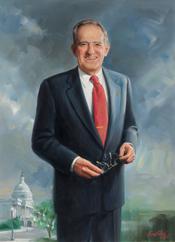
United States · United States Congress · 20 February 1991
Federal Employee Family-Building Act of 1991 - Requires any contract for health benefits for Federal employees that provides obstetrical benefits to also provide benefits for family-building procedures. Provides that payment terms or conditions under such contracts shall be no more restrictive for family-building benefits than for obstetrical benefits. Defines "family-building procedure" as a medical procedure to overcome infertility (including procedures to achieve pregnancy and procedures to carry pregnancy to term) and procedures relating to child adoption. Requires such contracts to provide that: (1) benefits shall consist of reimbursement for reasonable and necessary medical expenses and counseling fees directly relating to the adoption of a child; and (2) benefits shall be available in connection with obstetrical care for the biological mother and medical care for the child if, or to the extent that, the pre-adoptive or adoptive parent or parents are legally responsible for the cost of such care. Directs the Office of Personnel Management to authorize the use of sick leave for purposes relating to family-building procedures.
United States · United States Congress · 20 February 1991
Amends the Omnibus Budget Reconciliation Act of 1990 to exclude the administrative expenses of the old-age, survivor, and disability insurance programs from Federal budget calculations. Exempts such expenses from sequestration under the Balanced Budget and Emergency Deficit Control Act of 1985 (Gramm-Rudman-Hollings Act). Makes technical and related corrections to the Social Security Act and the Omnibus Budget Reconciliation Act of 1990.
United States · United States Congress · 20 February 1991
Military Family Relief Act of 1991 - Precludes a female member of the armed forces who is the custodial mother of a child not more than six months of age from being subject to a duty assignment: (1) in an area subject to hostile fire or imminent danger; or (2) at a location where facilities for such infant children are not reasonably available. Excepts from such prohibition a female member who makes a written request for such a duty assignment.
United States · United States Congress · 20 February 1991
Amends the Internal Revenue Code to allow penalty-free withdrawals from an individual retirement plan if distributed to an Operation Desert Storm reservist within 180 days after the termination of active duty.
United States · United States Congress · 19 February 1991
Older Americans' Freedom to Work Act of 1991 - Amends title II (Old Age, Survivors and Disability Insurance) of the Social Security Act to remove the limitation on the amount of outside income which beneficiaries who have attained retirement age may earn without incurring a reduction in benefits.
United States · United States Congress · 19 February 1991
Repeals provisions which authorize: (1) Federal agency heads to determine maximum-age entrance requirements for Federal law enforcement officers and firefighters; and (2) the Secretary of the Interior to determine maximum-age entrance requirements for appointments to the United States Park Police.
United States · United States Congress · 19 February 1991
Commends the Peace Corps on its 30th anniversary and those who have served as Peace Corps volunteers. Reaffirms U.S. commitment, through the Peace Corps, to help peoples in other countries to meet their needs.
United States · United States Congress · 6 February 1991
Ancient Forest Protection Act of 1991 - Establishes the National Ancient Forest Reserve System. Designates certain lands in California, Oregon, and Washington as components of such System. Declares that all Federal lands in such States which qualify as ancient forest or associated forest and are not designated as components of the System shall be managed as if they are. Requires the Secretary of Agriculture and the Secretary of the Interior to issue regulations with respect to the removal of commercial timber from such lands. Declares it to be U.S. policy to develop and utilize scientific information to study and identify the biological and ecological requirements of ancient forest ecosystems. Directs the Chairman of the Council on Environmental Quality to study and report to appropriate congressional committees on the biological and physical requirements for the survival of such ecosystems.
United States · United States Congress · 6 February 1991
Northern Ireland Fair Employment Practices Act - Prohibits an article from being imported into the United States from Northern Ireland unless documentation is presented at the time of entry indicating that the enterprise which manufactured or assembled such article complied at the time of manufacture with certain fair employment principles (such as freedom from religious discrimination). Bases such principles on the MacBride Principles, a nine point set of guidelines for fair employment in Northern Ireland. Requires any U.S. person who has a branch or office in Northern Ireland or who controls an enterprise in Northern Ireland in which more than 20 people are employed to insure implementation of such employment principles and compliance with this Act. Requires reports to the Secretary of Commerce on compliance with this Act. Sets forth the fair employment principles. Authorizes the President to waive the requirements of this Act in the interest of national security. Requires such waiver to become effective 90 days after the President submits a justification of such waiver to the Congress unless the Congress adopts a joint resolution disapproving the waiver. Provides for expedited consideration of such resolution.
United States · United States Congress · 6 February 1991
Federal Used Property for Domestic Use Act of 1991 - Amends the Federal Property and Administrative Services Act of 1949 to authorize the Administrator of the General Services Administration to make available to foreign governments or international relief agencies for humanitarian relief purposes nonlethal surplus personal property not needed by the American National Red Cross or by States or territories for educational or public health purposes. Requires transfer of such property to the Secretary of State for distribution. Authorizes executive agencies having any such property in a foreign country that has not been returned to the United States to make such a transfer. Repeals provisions authorizing the Secretary of Defense to make available for humanitarian relief purposes any nonlethal excess supplies of the Department of Defense.
United States · United States Congress · 6 February 1991
Municipal and Industrial Water Conservation Act of 1991 - Directs the Administrator of the Environmental Protection Agency to establish an Office of Water Conservation to perform specified duties, including: (1) the support of programs to reduce water use and loss in municipal, industrial, commercial, institutional, and residential sectors; (2) the support of dissemination of model water conservation programs; and (3) the promotion of least-cost approaches to water planning and regional approaches to management of water and sewer systems. Calls for intergovernmental coordination in water conservation efforts. Requires the Office to provide technical assistance to States, Indian tribes, utilities, local governments, and others in efforts to implement water conservation policies. Requires regular consultations with major water resources development agencies to target limited resources. Requires the Office to develop a series of model water conservation programs with policy options for States, Indian tribes, water utilities, and municipalities. Allows such water users to request feasibility studies of their current and potential water conservation activities. Allocates the costs of such studies, allowing smaller studies to be conducted at full Federal cost. Amends the Federal Water Pollution Control Act (as amended by the Water Quality Act of 1987) to require the Administrator to make capitalization grants to State water pollution control revolving funds for conducting municipal and industrial water conservation activities which will reduce operating and capital costs of and needs for waste water treatment facilities. Directs the Office to provide, upon request, technical assistance to businesses and institutions for water efficiency campaigns, plumbing system leak-detection, water use audits, and other water conservation measures. Requires the development of model water conservation programs for businesses and institutions and studies, upon request, of their programs. Directs the Administrator to establish a National Clearinghouse on Water Conservation to collect and disseminate, free of charge, information on water conservation technologies and practices. Establishes the Advisory Council on Water Conservation to make recommendations to the Administrator on activities under this Act. Requires the President's Council on Environmental Quality to require, by rulemaking authority, the consideration of water conservation activities in all relevant environmental impact studies conducted under specified provisions of the National Environmental Policy Act of 1969. Authorizes appropriations through FY 1996 to carry out this Act.
United States · United States Congress · 6 February 1991
Social Security Notch Adjustment Act of 1991 - Amends title II (Old Age, Survivors and Disability Insurance) of the Social Security Act to establish a new formula for computing the primary insurance amount of individuals who attain age 65 in or after 1982 and would otherwise be subject to the benefit computation rules of the Social Security Amendments of 1977. Extends the application of such transitional benefit computation rules to those who become eligible for benefits before 1989. (Currently those who become eligible after 1983 are subject to the benefit computation rules of the Social Security Amendments of 1977.)
United States · United States Congress · 6 February 1991
Volunteer Protection Act of 1991 - Prescribes circumstances under which volunteers working for nonprofit organizations or government entities shall be immune from personal financial liability for acts on behalf of the organization or entity. Sets forth exceptions and conditions that a State may impose on the granting of such immunity. Requires the Secretary of Health and Human Services to increase by one percent the fiscal year allotment which would otherwise be made to a State to carry out the Social Services Block Grant Program under title XX of the Social Security Act if such State has, within two years, certified to the Secretary that it has enacted a State law which provides such immunity. Provides for the continuation of such increase based on an annual recertification.
United States · United States Congress · 6 February 1991
Persian Gulf War Veterans Benefits Act of 1991 - Title I: General Veterans Benefits - Amends Federal veterans' benefits provisions to include the Persian Gulf War under the definition of "period of war" for purposes of eligibility for various veterans' benefits for war veterans, their spouses, and their dependents. Authorizes the Secretary of Veterans Affairs to provide standby inpatient hospital care and medical services to those veterans authorized to receive hospital, nursing home, or domiciliary care and medical treatment within the Department of Veterans Affairs. Authorizes the Secretary to furnish counseling services in any Department facility to any veteran: (1) who is a former prisoner of war; and (2) while in active military service in a theater of combat operations during a period in which hostilities occurred in such theater. Makes veterans who serve on active duty during the Persian Gulf War for at least 90 days eligible for dental benefits provided to veterans through the Department. Makes veterans of the Persian Gulf War suffering from war-related psychosis within two years of the end of such War eligible for treatment through the Department for a service-connected disability. Presumes such psychosis to be service-connected for purposes of eligibility for such treatment). Makes veterans of any war (currently, specified wars and conflicts) eligible for payment for certain drugs and medicine required as a result of being permanently housebound or in need of regular aid and attendance. Bases the payment of dependency and indemnity compensation to surviving spouses on the age of the surviving spouse, with the amount decreasing as the age increases. States that such amounts shall be based on the pay grades of veterans dying between January 1, 1957, and the last day of the month in which the Persian Gulf War ends if such is larger than the amount provided when based solely upon the age of the surviving spouse. Increases from $50,000 to $75,000 the amount of life insurance available to veterans under the Servicemen's Group Life Insurance and the Veterans' Group Life Insurance programs. Makes Persian Gulf War veterans eligible for such increased coverage. Title II: Veterans Education Benefits - Increases the monthly stipend available to members of the all-volunteer active-duty armed forces and the Selected Reserve for educational assistance provided under the Montgomery GI Bill armed forces and veterans' educational assistance programs. Increases such stipend annually by the percentage increase in the Consumer Price Index for such year. Directs the Secretary of the military department concerned, and the Secretary of Transportation with respect to the Coast Guard when it is not operating as a service of the Navy, to provide educational assistance to members of the Selected Reserve who: (1) during the Persian Gulf War, served on active duty for more than 180 days of continuous service; and (2) were discharged or released under conditions other than dishonorable. States that such educational assistance may be provided for a program of education beyond the baccalaureate degree level. States that, in the case of a member of the Reserve called to active duty in connection with the Persian Gulf War: (1) the period of such active duty may not be considered in determining the expiration date for eligibility for educational assistance benefits provided under the Montgomery GI Bill; and (2) the member may not be considered to have been separated from the Reserve, for purposes of commencement of the delimiting period for the use of such benefits. Provides that, in the case of an active-duty or Reserve member student who fails to complete a course of study under the armed forces or veterans' educational assistance programs due to being called to active duty in connection with the Persian Gulf War, both the amount of educational assistance received and the time spent pursuing that course of study will not be counted against such student for purposes of general entitlement under such educational assistance program. Restores the full amount available to such student veteran program. Restores the full amount available to such student veteran as if the interrupted course had not been taken. States that such exclusion shall apply to members of the Selected Reserve pursuing courses of study (and similarly interrupted) under the armed forces educational assistance program. Title III: Veterans Housing Programs - Entitles each veteran who served on active duty in the Persian Gulf War for 90 days or more to guaranteed veterans' housing loans provided through the Department. Authorizes the Secretary to provide direct loans for housing purposes to the following veterans: (1) any active-duty or reserve member who meets applicable credit requirements and is unable to obtain a loan from a private lender at the interest rate authorized for guaranteed home loans because of the possibility of service in connection with the Persian Gulf War; and (2) any veteran who applies for such loan within one year after returning from at least 90 days of continual service in the Persian Gulf or within one year after being released from hospitalization incident to such service, is discharged under conditions other than dishonorable, cannot obtain a reasonable loan from a private lender, and meets applicable credit requirements. Title IV: Military Personnel Benefits - Requires the Secretary of Defense to ensure that the Secretaries of the military departments provide appropriate benefits explanations to reserve members who were called to active duty in connection with the Persian Gulf War and are released from such active duty upon completion of their required service period. Requires the Secretary of Veterans Affairs to detail Department personnel at each principal site at which such reserve members are released from such duty for preseparation counseling. Directs the Secretary of Defense to prescribe regulations to allow reserve personnel ordered to active duty in connection with the Persian Gulf War to use commissary and exchange stores during the 180-day period following their release from such duty to the same extent as for active-duty members of the armed forces. Entitles reserve members called to active duty in connection with the Persian Gulf War to certain transitional health care benefits after release from such active duty until: (1) 60 days after release from such active duty; or (2) the date such member is covered by a health plan sponsored by a private employer. Title V: Internal Revenue Matters - States that, for purposes of applying the internal revenue laws with respect to the tax liability of individuals performing military service in the Persian Gulf, the period of such services, as well as 60 days thereafter, shall be disregarded in determining whether certain required acts were performed within the required time period as prescribed under the Internal Revenue Code. Includes those hospitalized for injuries attributable to Persian Gulf services under those eligible for such extension. Includes spouses of such personnel, as well as persons in a missing status under such provision. Amends the Internal Revenue Code relating to the permissible time period before the gain from the sale of a principal residence is recognized for tax purposes to extend such period in the case of a reserve member performing active duty in the armed forces to one year after such member is released from such active duty. Amends the Internal Revenue Code relating to the exceptions to the ten-percent additional tax on early distributions from qualified retirement plans to add as an exception to such additional tax any distribution from an individual retirement plan if made to a Persian Gulf War reservist during the qualified distribution period. Defines the qualified distribution period for such personnel as the period which: (1) begins on the date such service is first performed; and (2) ends 180 days after termination of such service. Title VI: Small Business - Veterans Entrepreneurship Promotion Act of 1991 - Defines terms used in this Act. Amends the Small Business Act to direct the President to establish Government-wide goals annually for procurement contracts awarded to small business concerns owned and controlled by veterans, including veterans of the Persian Gulf War. Increases the Government-wide goals for small business participation (including veteran-owned small businesses) from 20 percent to 25 percent of the total value of all prime contract awards for each fiscal year. Mandates that: (1) the Government-wide goal for participation by small business concerns owned and controlled by veterans be at least five percent of such contract and subcontract awards; and (2) certain reports submitted to the Small Business Administration (SBA) and to the Congress include the extent of participation in the Federal procurement process by small business concerns owned and controlled by veterans. Declares it the policy of the United States to grant small business concerns owned and controlled by veterans the maximum opportunity to participate in the performance of Federal contracts and subcontracts. Requires the Secretary of Veterans Affairs and the Administrator of the Small Business Administration (the Administrator) to implement an outreach and information dissemination program for small business concerns owned and controlled by veterans. Outlines the parameters of a loan assistance program implemented by the SBA for small businesses owned and controlled by veterans. Requires the Administrator to study and report to the Congress and the President on methods to reduce costs incurred by veterans during the loan application process. Directs the Administrator to take steps to ensure that small businesses owned by veterans have access to SBA programs providing entrepreneurial training, business development assistance, counseling, and management assistance. Authorizes the SBA to make grants for veterans' outreach programs with governmental and private sector entities. Mandates the establishment of an interagency working group to develop a comprehensive outreach program for veterans of the Persian Gulf War and veterans affected by reductions in armed forces personnel. Requires certain Government agencies to collect information on: (1) businesses owned and controlled by veterans; and (2) the number of such businesses that are first-time recipients of Government contracts. Amends the Small Business Economic Policy Act of 1980 to require the President to report annually to the Congress on small businesses owned and controlled by veterans and by veterans with service-connected disabilities. Amends the Small Business Act to provide for an Associate Administrator or Veterans Programs who shall be responsible for programs of assistance to small business concerns owned and controlled by veterans. Requires the SBA to enter into negotiations with any Federal agency to perform any specific Government procurement contract through the services of small businesses owned and controlled by veterans. Outlines contracting procedures. Establishes within the SBA a veterans business opportunity and development assistance program to assist exclusively small business concerns eligible under the program's parameters. Vests responsibility for the coordination and formulation of policies relating to Federal assistance to such concerns with the Associate Administrator for Veterans Programs. Restricts an individual's eligibility under the Program to business concerns only. Establishes a Division of Program Certification and Eligibility in the Office of Veterans Programs. Requires the Administrator to present an annual program status report to the Congress. Establishes the National Veterans Business Council to: (1) review Federal and State initiatives relating to business concerns owned by veterans; and (2) report annually to the President and the Congress regarding private and public sector initiatives and multiyear goals for veteran-owned businesses. Terminates the Council three years after its first meeting. Amends the Small Business Act to authorize appropriations. Title VII: Other Matters - Repeals a Federal provision containing certain limitations on the payment of unemployment compensation (prohibiting such payment before a certain time period and limiting the aggregate amount of such payment) with respect to discharged or released members of the armed forces. Makes military personnel called to active duty in the Persian Gulf eligible for the deferment of student loan repayments in the case of loans made under the Higher Education Act of 1965, such deferment lasting during the continuance of such duty. States that such deferment period shall not be counted against the grace period that is available to all individuals with respect to such loans made under such Act.
United States · United States Congress · 6 February 1991
Veterans PTSD Treatment and Psychological Readjustment Act of 1991 - States that it shall be the policy of the Secretary of Veterans Affairs to implement the recommendations of the Chief Medical Director's (CMD) Special Committee on Post-Traumatic Stress Disorder to establish and operate specialized inpatient post-traumatic stress disorder units (SIPUs) at Department of Veterans Affairs medical centers. Requires such facilities and services to be available to all eligible veterans, including veterans of the Persian Gulf conflict. Requires the Secretary to gradually increase the number of SIPUs in order to meet a total increase of not less than 30 units by December 31, 1994. Requires the Secretary to direct the Special Committee to identify areas of the country in which there are significant needs for expanding the Vet Center program. Directs the Special Committee to present a list of not less than 40 areas as candidates for new Vet Centers to the Readjustment Counseling Service of the Department no later than September 30, 1991. Requires the Counseling Service to gradually increase the number of existing Vet Centers in order to meet a total increase of not less than 40 by December 31, 1994. Directs the Advisory Committee on Readjustment of Veterans (established under this Act) to prepare a report to be submitted to the Congress on recommendations to increase outreach efforts to veterans of the Vietnam era and thereafter with readjustment counseling needs. Expands eligibility under the Vet Center program to include veterans of the Persian Gulf conflict. Directs the Secretary to make facilities and services of the Vet Centers available to family members of military personnel assigned to duty in the Persian Gulf. Urges the Secretary to fill expeditiously Vet Center staff vacancies caused by reassignment to Department medical facilities in preparation for receipt of casualties from the Persian Gulf conflict. Directs the Secretary to establish the Advisory Committee and seek its advice with respect to: (1) the administration of Department benefits for veterans, particularly Vietnam and post-Vietnam era veterans; (2) reports and studies pertaining to veterans, particularly Vietnam and post-vietnam era veterans; and (3) the needs of all veterans with respect to compensation, health care, readjustment, outreach, and other benefits and programs administered by the Department. Requires the Advisory Committee to report annually to the Secretary pertaining to the social, economic, educational, and psychological readjustment of veterans. Requires the Secretary to submit such reports to the Congress, along with comments and recommendations. Authorizes the Secretary to conduct a pilot program to contract for care and treatment and rehabilitative services in halfway houses, therapeutic communities, psychiatric residential treatment centers, and other community-based treatment facilities for eligible veterans suffering from PTSD. Requires the CMD to plan, design, and conduct such program. Requires the Secretary to approve the quality and effectiveness of a program operated by a contract facility before allowing veterans to be furnished treatment there under the pilot program. Directs the Secretary to: (1) urge all public and private entities to provide appropriate employment and training opportunities to veterans who have been provided treatment and rehabilitative services under this Act for PTSD and who have been determined to be sufficiently rehabilitated to be employable; and (2) provide all possible assistance to the Secretary of Labor in placing such veterans in such opportunities. Requires the Secretary to provide referral services and advice to veterans discharged or released from active service who are not eligible for PTSD treatment and services. Limits participation in the PTSD pilot program to 500 eligible individuals. Directs the Secretary to report to the Senate and House Veterans' Affairs Committees on the operation of the pilot program through FY 1994. Terminates the pilot program after five years of operation. Directs the Special Committee to examine the effectiveness of contracts for the treatment of PTSD with private facilities and therapists. Requires the Special Committee to report its findings and recommendations to the veterans' committees. Requires the Secretary, in administering the Health Professionals Educational Assistance Program, to encourage the participation of individuals who desire to become psychologists, psychiatrists, social workers, psychiatric nurses, and other professionals specializing in the treatment of PTSD. Directs the CMD to conduct research programs to consider the most effective treatment for PTSD and the effectiveness of involving the family in the treatment of PTSD and to report his findings to the veterans' committees. Requires such research to be conducted through the National Center on Post-Traumatic Stress Disorder, with consultation from the Special Committee and the Advisory Committee. States that it shall be the policy of the Secretary to implement the recommendations of the Special Committee to establish and operate post-traumatic stress disorder clinical teams (PCTs) at Department medical centers that provide mental health services. Requires such services to be available to all veterans, including veterans of the Persian Gulf conflict. Directs the Secretary to increase the number of PCTs by 50 units by the end of calendar year 1994. Requires the Secretary, in establishing such new PCTs, to give priority to locations that do not have a SIPU or an affiliated Vet Center. Requires the Secretary to direct the Special Committee to assess the capacity of the Department to provide treatment for PTSD. Requires the Special Committee to report its findings to the Secretary, to be forwarded to the Congress.
United States · United States Congress · 6 February 1991
Comprehensive Recycling Act of 1991 - Establishes as national goals: (1) the recycling of municipal waste; and (2) the creation and strengthening of markets for recycled materials. Requires the Administrator of the Environmental Protection Agency to provide technical assistance and guidance to States on recycling methods and opportunities. Directs States to develop and implement comprehensive multimaterial recycling programs. Requires such programs to be designed to provide at least 20 percent of a State's population with an opportunity to participate in such programs within two years of this Act's enactment. Provides that such programs must be available to an additional 20 percent of a State's population every two years, until the entire population is provided with such opportunity. Sets forth minimum program requirements. Deems a State or its municipalities to be in compliance with this Act if they have in place an alternative program that meets this Act's requirements. Requires States to include recycling programs in the regional solid waste plan required by the Solid Waste Disposal Act. Makes States with approved plans eligible for Federal assistance for recycling infrastructures. Amends the Solid Waste Disposal Act to require the Administrator to make grants to States for the development of programs to promote the use of recycling techniques by businesses, local governments, or regional waste management authorities.
United States · United States Congress · 6 February 1991
National Plumbing Products Efficiency Act of 1991 - Title I: Water Use Standards for Plumbing Products - Requires the Secretary of Commerce to prescribe test procedures for classified products. Directs the Secretary to establish water use performance standards for plumbing products classified as covered products. Requires such standards to be designed to achieve the maximum water efficiency which the Secretary determines is technologically feasible and economically justified. Sets forth maximum water use standards for the following products: (1) water closets; (2) urinals; (3) showerheads; and (4) faucets. Directs the Secretary to prescribe water use standards for any product that is classified as a covered product and manufactured or distributed in commerce on or after the date that is three years after such product receives its classification. Describes the procedure for prescribing water use standards. Directs the Secretary to reevaluate such standards at the end of each five-year period after the date of enactment of this title. Requires the Secretary to publish the existing water use standards in the Federal Register and to allow a specified period for comment by interested persons. Exempts safety shower showerheads and aspirator faucets from water use standards. Directs the Federal Trade Commission to prescribe labeling and marking rules for each classified product. Directs the Secretary to study the feasibility of determining coverage for additional consumer products. Establishes a procedure for testing plumbing products and for maintaining test data. Directs the National Institute of Standards and Technology to assist the Secretary as necessary. Requires the Secretary of the Treasury to prescribe rules for any covered product offered for importation. Sets forth provisions for prohibited acts, enforcement procedures, and the commencement of civil actions under this title. Declares that standards, procedures, or rules under this title supersede State or river basin commission regulations. Provides for a waiver of Federal preemption over such State or river basin commission regulations. Directs the Secretary of Commerce to establish an advisory committee to report annually to the Congress on the implementation of this title by the Secretary and the Commission. Directs the Secretary to report annually to the Congress and the President on activities under this title. Authorizes appropriations for FY 1992 through 1996. Title II: Water Use Standards for Dishwashers and Clothes Washers - Amends the Energy Policy and Conservation Act to provide for the establishment of standards for water use by dishwashers and clothes washers.
United States · United States Congress · 6 February 1991
Amends title II (Old Age, Survivors and Disability Insurance) (OASDI) of the Social Security Act to prohibit the income an individual earns in providing child care from being applied against such individual's OASDI benefits.
United States · United States Congress · 6 February 1991
Social Security Caregiver Act of 1991 - Amends title II (Old Age, Survivors and Disability Insurance) of the Social Security Act to provide for an increase of up to five in the number of years of either zero or low earnings disregarded in determining average annual earnings on which benefits are based provided such years were used to provide care to a child under the age of 12 or to a chronically dependent spouse or relative.
United States · United States Congress · 6 February 1991
Authorizes amounts for expenses of investigations and studies by the House Committee on Public Works and Transportation in the first session of the 102d Congress.
United States · United States Congress · 5 February 1991
Ethics in Foreign Lobbying Act of 1991 - Amends the Federal Election Campaign Act of 1971 to prohibit multicandidate political committees or separate segregated funds of certain organizations or corporations which are controlled by foreign persons from making any contributions or expenditures with respect to an election for Federal office. Directs the Federal Election Commission to require reporting of ownership interest percentages, and to list them. Prohibits foreign nationals from participating in the decisionmaking process of domestic organizations engaged in Federal, State, or local election-related activities. Establishes within the Federal Election Commission a clearinghouse of public information regarding the political activities of foreign principals and their agents. Amends the Foreign Agents Registration Act of 1938 to require agents to file quarterly supplemental registration statements. Provides that a foreign principal's legal representative in U.S. courts may only be exempted from filing registration statements upon the submission of an affirmative request for such exemption. Establishes civil penalties for violation of the registration requirements.
United States · United States Congress · 5 February 1991
Black Lung Benefits Check Delivery Assurance Act of 1991 - Amends the Federal Mine Safety and Health Act of 1977 to provide that if the regularly scheduled delivery date for black lung benefit checks falls on a weekend or a legal public holiday, then such checks shall be mailed for delivery on the first day preceding the weekend or holiday, even if the delivery would be made before the end of the month for which such checks are issued. Provides that if as a consequence of such modified delivery date the payment is more than the correct authorized amount, no action shall be taken to recover the incorrect portion.
United States · United States Congress · 5 February 1991
Provides that service performed by certain civilian employees of the Departments of Transportation or Defense holding positions for which experience as an air traffic controller is a prerequisite shall be creditable for retirement under the Civil Service and Federal Employees' Retirement Systems.
United States · United States Congress · 5 February 1991
National Guardianship Rights Act of 1991 - Grants the following rights to allegedly incapacitated individuals with respect to guardianship proceedings: (1) the nonwaivable right of prompt notice that includes specified required contents; (2) the right to a convenient forum; (3) the right to be present at all proceedings, unless disability prevents attendance; (4) the right to counsel; and (5) the right to an independent professional guardianship evaluation team of specified membership to examine the individual, report, and be available for cross examination during the guardianship proceedings. Requires dismissal of the guardianship action if the team determines the individual to be free of any incapacity. Grants the right to a jury in a guardianship proceeding, as well as the right to present evidence, call witnesses, and cross examine. Requires clear and convincing evidence that an individual is incapacitated and that no less restrictive form of intervention is available before a guardianship order may be issued. Discounts age as a basis for determining incapacity. Limits both the scope and duration of transfers of responsibility for the care and protection of an incapacitated person or the management of his or her estate to the minimum necessitated by the particular incapacity. Permits the individual to retain all rights not expressly transferred in the guardianship order. Dissolves the order if its justification ceases to exist. Grants to an incapacitated individual the right to a competent and trained guardian. Prohibits convicted felons from serving as guardians. Permits the right of appeal and the right to a prompt reconsideration of the determination of incapacity, the guardianship order, or the choice of guardian. Requires: (1) guardians to report to the court at least annually on the financial, mental, physical, and personal status of the incapacitated person; and (2) courts to investigate at least annually the well-being of persons protected under their guardianship orders. Directs States to submit to the Attorney General implementation plans indicating compliance with this Act. Describes procedures and timetables associated with these plans, including mandatory sanctions for States that fail to comply. Empowers the Attorney General to make grants to the States to enable compliance with this Act. Enumerates permitted grant uses. Describes application and selection procedures. Authorizes appropriations. Permits States to impose additional or more extensive protections that do not conflict with this Act.
United States · United States Congress · 5 February 1991
Link-up for Learning Demonstration Grant Act - Establishes a program of grants to local educational agencies (LEAs) in partnership with other eligible entities for coordinated educational and other student support services for at-risk youth. Makes eligible to apply for such a grant: (1) an LEA that seeks to plan and implement a coordinated services program for at-risk students with at least one other cooperating public agency; and (2) a consortium, including at least one LEA and one cooperating public service agency, formed to coordinate support services for at-risk students. Allows nonprofit organizations, institutions of higher education, and private enterprises with experience or expertise in providing services for at-risk students also to participate as a cooperating agency with an LEA or consortium in developing, operating, or evaluating such programs. Makes an LEA that is receiving assistance under the Head Start Transition program also eligible for assistance under this Act if it meets certain criteria. Allows educationally deprived students, in chapter 1 eligible schools or students in chapter 1 schoolwide projects, and their family members, to receive services provided by a project under this Act. Allows an eligible LEA to select any school, grade span, or program area for project services, providing such student eligibility requirements are met and the project design is of adequate size, scope, and quality. Allows such grants to be for up to three years, subject to satisfactory progress. Limits the Federal share of project costs to 80 percent. Establishes a Federal Interagency Task Force consisting of the Secretaries of Education, Health and Human Services, and Housing and Urban Development, and other appropriate Federal agency heads, to identify means to facilitate interagency collaboration at Federal, State, and local levels to improve support services for at-risk students. Requires the Task Force to: (1) identify and eliminate program regulations or practices impeding coordination and collaboration; (2) develop and implement plans for jointly funded programs, unified eligibility and application procedures, and confidentiality regulations that facilitate information sharing; and (3) make recommendations to the Congress on legislative action to facilitate coordination of support services. Directs the Secretary of Education to: (1) conduct a study of grantees under this Act to identify regulatory and legislative obstacles to coordinated support services and innovative procedures and programs; and (2) report study results to the Congress with recommendations for legislative action. Authorizes appropriations.
United States · United States Congress · 5 February 1991
Recycling Initiatives Grant Act - Amends the Solid Waste Disposal Act to authorize the Administrator of the Environmental Protection Agency to award grants for creating and supporting innovative techniques for solid waste recycling. Limits the amount of such grants. Authorizes appropriations.
United States · United States Congress · 5 February 1991
Railroad Retirement Benefits Check Delivery Assurance Act of 1991 - Amends the Railroad Retirement Act of 1974 to provide that if the regularly scheduled delivery date for certain railroad benefits checks falls on a weekend or a legal public holiday, then such checks shall be mailed for delivery on the first day preceding the weekend or holiday, even if the delivery would be made before the end of the month for which such checks are issued. Provides that if, as a consequence of such modified delivery date, the payment is more than the correct authorized amount, no action shall be taken to recover the incorrect portion.
United States · United States Congress · 5 February 1991
Requires the early mailing of benefit checks for military retired and retainer pay, Retired Serviceman's Family Protection Plan annuities, and military Survivor Benefit Plan annuities if the day regularly designated for the delivery of such checks falls on a Saturday, Sunday, or legal holiday.
United States · United States Congress · 5 February 1991
Civil Service and Federal Employee Retirement Check Delivery Assurance Act of 1991 - Provides that if the usual delivery date for civil service retirement checks falls on a Saturday, Sunday, or legal public holiday, then such checks shall be mailed a day earlier than usual.
United States · United States Congress · 5 February 1991
Middle-Income Family Higher Education Savings Act of 1991 - Amends the Internal Revenue Code to allow an individual an income tax deduction for contributions to a savings account established to pay the educational expenses (tuition, supplies, meals, and lodging) of the taxpayer's child at an institution of higher education or a vocational school. Limits the deduction to $1,000 per year per child. Phases out such deduction based on adjusted income. Provides that no account may have more than one beneficiary. Permits a deduction with respect to only one account in cases of multiple accounts for the same beneficiary. Disallows the deduction for contributions made to an account after the beneficiary either attains age 25 or graduates from an eligible educational institution. Permits the exclusion from the gross income of the recipient beneficiary of payments and distributions from an education savings account as long as such amounts: (1) are used for the educational expenses of that individual; or (2) are rolled over into an education savings account established for a sibling of that individual. Exempts the education savings accounts themselves from taxation unless they cease to be proper education savings accounts because either the contributor taxpayer or the beneficiary engages in prohibited transactions or the beneficiary pledges the account as security. Establishes penalties in the form of additional tax when account funds or distributions are improperly used. Requires that the trustee of an education savings account report to the Secretary of the Treasury and to the account's benefactor on the maintenance of the account. Identifies the criteria and requirements applicable to an education savings account. Provides that contributions to an education savings account shall not be subject to gift tax. Establishes: (1) a five percent excise tax on amounts connected with any prohibited transaction with respect to an education savings account; (2) a penalty for failure to file required reports concerning the education savings account; and (3) a tax on excess contributions.
United States · United States Congress · 4 February 1991
Summer Science Academy Act of 1991 - Directs the National Science Foundation to make grants, contracts, or agreements for at least 20 Summer Science Academies for talented students, particularly economically disadvantaged, minority students, in grades seven through 12, to study mathematics, science, engineering design, and communications. Authorizes appropriations.
United States · United States Congress · 4 February 1991
Directs the Secretary of the military department concerned to provide a member of his military department with not less than ten minutes of free telephone calls per month while the member is serving in a combat zone or is hospitalized as a result of illness or injury incurred in a combat zone. Prohibits such free calls if found impractical due to the member's location of deployment, or if doing so will adversely affect the military preparedness or effectiveness of combat operations of U.S. armed forces. Allows unused monthly portions of free calls to be carried over to succeeding months.
United States · United States Congress · 4 February 1991
Democracy in Presidential Debates Act of 1991 - Amends the Internal Revenue Code to require as a condition of eligibility to receive payments from the Presidential Election Campaign Fund that presidential candidates agree to participate in at least two debates of at least 90 minutes each, sponsored by a nonpartisan entity, one of which must be in September and one in October preceding the relevant election. Requires a corresponding agreement by vice-presidential candidates, but for a minimum of only one debate.
United States · United States Congress · 31 January 1991
Comprehensive Counter-Terrorism Act of 1991 - Title I: Punishing Domestic and International Terrorist Acts - Subtitle A: Terrorist Death Penalty Act of 1991 - Terrorist Death Penalty Act of 1991 - Amends the Federal criminal code to: (1) make it a Federal offense, punishable by up to life imprisonment, to commit terrorist acts against U.S. nationals abroad; and (2) authorize the imposition of the death penalty where terrorist acts against U.S. nationals result in first degree murder. Sets forth procedures for the imposition of the death penalty, including provisions with respect to notice by the Government that it intends to seek the death penalty if the defendant is convicted, the conduct of the sentencing hearing, a list of mitigating and aggravating factors to be considered, proof of such factors, the return of findings, and procedures for appeal and review of a sentence of death. Prohibits sentencing to death individuals who were under age 18 at the time of the offense, or carrying out a death sentence upon: (1) a woman while she is pregnant; (2) a person who is mentally retarded; or (3) a person who, as a result of mental disability, cannot understand the nature of the pending proceedings, what such person was tried for, or the reason for or nature of the punishment or who lacks the capacity to recognize or understand facts which would make the punishment unjust or unlawful or the ability to convey such information to counsel or to the court. Sets forth provisions: (1) authorizing a U.S. marshal charged with supervising the implementation of a death sentence to use appropriate State or local facilities and employees to carry out such sentence and to pay costs in an amount approved by the Attorney General; and (2) prohibiting requiring any employee of a State department of corrections or the Federal Bureau of Prisons, or an employee providing services to such department or bureau under contract, as a condition of such employment or contractual obligation, to be in attendance at, or to participate in, any execution carried out under this Act. Subtitle B: Terrorist Acts Committed in the United States - Authorizes the imposition of the death penalty for domestic terrorist acts that involve an individual acting as an agent of a foreign power and that result in first degree murder, and up to life imprisonment for acts that result in death that does not constitute first degree murder. Sets forth penalties for attempts or conspiracy to kill (up to life imprisonment) and for engaging in physical violence that results in serious bodily injury (up to ten years imprisonment, a fine, or both.) Specifies that, for purposes of this Act, a person possesses an intent to commit a terrorist act if such person intends to: (1) intimidate or coerce a civilian population; (2) influence the policy of a government by intimidation or coercion; or (3) affect the conduct of a government by assassination, kidnapping, or other violent act. Subtitle C: Increasing Penalties for International Terrorist Acts - Increases the penalties for terrorist acts committed against U.S. nationals abroad. Title II: Preventing Domestic and International Terrorist Acts - Subtitle A: Attacking the Infrastructure of Terrorist Organizations - Makes it a Federal criminal offense for an individual, acting as an agent of a foreign power, to provide material support or resources (including currency, securities, communications equipment, facilities, weapons, personnel, and other physical assets), or to conceal or disguise the nature, location, source, or ownership of such support or resources, knowing that such resources or support are intended to be used to commit a terrorist act. Provides for the civil and criminal seizure and forfeiture of any real or personal property used to commit, or facilitate the commission of, terrorist acts. Subtitle B: Electronic Communications - Expresses the sense of the Congress that providers of electronic communications services and manufacturers of electronic communications service equipment should ensure that communications systems permit the Government to obtain the plain text contents of voice, data, and other communications when appropriately authorized by law. Subtitle C: Cooperation of Witnesses in Terrorist Investigations - Alien Witness Cooperation Act of 1991 - Authorizes the Attorney General to waive immigration admission, and other legal requirements and grant permanent resident status for alien witnesses who cooperate with the Government in Federal or State prosecutions. Bars the granting of such status to an alien who would be excluded because of felony convictions unless the Attorney General determines that the granting of such status to such alien is necessary in the interests of justice and comports with the safety of the community. Limits the number of aliens and members of their immediate families entering the United States under such authority to 100 persons in any single fiscal year. Provides that the decision to grant or deny permanent resident status under this Act shall be at the discretion of the Attorney General and shall not be subject to judicial review. Title III: Preventing Aviation Terrorism - Makes the willful violation of certain Federal Aviation Administration regulations relating to airport and airline security punishable by a fine, imprisonment for up to one year, or both. Title IV: Preventing Economic Terrorism - Makes it a Federal criminal offense to counterfeit, or to make, deal, or possess any plate or other item used in the counterfeiting of, U.S. securities abroad. Establishes an Economic Terrorism Task Force to: (1) assess the threat of terrorist actions directed against the U.S. economy and the adequacy of existing policies and procedures designed to prevent such actions; and (2) recommend administrative and legislative responses to prevent such actions. Sets forth provisions: (1) regarding the makeup of such Task Force; (2) making provisions of the Federal Advisory Committee Act inapplicable to such Task Force; and (3) establishing reporting requirements. Specifies that if the report of the Task Force is classified, an unclassified version shall be prepared for public distribution. Title V: Authorizations to Expand Counter-Terrorist Operations - Authorizes appropriations for counter-terrorist operations and programs.