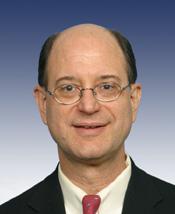
United States · United States Congress · 10 February 1999
Expresses the sense of the Congress that the United States should: (1) introduce and make all efforts necessary to pass a resolution criticizing the People's Republic of China for its human rights abuses in China and Tibet at the annual meeting of the United Nations Commission on Human Rights; and (2) urge other governments to cosponsor and support such resolution.
United States · United States Congress · 9 February 1999
Authorizes appropriations for the United States Customs Cybersmuggling Center (originally established as the International Child Pornography Investigation and Coordination Center).
United States · United States Congress · 9 February 1999
Designates the Federal building located at 10301 South Compton Avenue in Los Angeles, California, known as the Watts Finance Office as the Augustus F. Hawkins Post Office Building.
United States · United States Congress · 9 February 1999
Redesignates the Federal building located at 701 South Santa Fe Avenue in Compton, California, known as the Compton Main Post Office as the Mervyn Malcolm Dymally Post Office Building.
United States · United States Congress · 9 February 1999
Safe Seniors Assurance Study Act of 1999 - Directs the Secretary of Health and Human Services (HHS) to conduct a study for a report to Congress on the mortality and adverse outcomes rates of Medicare (title XVIII of the Social Security Act (SSA)) patients by providers of anesthesia services (service providers). Provides that if the HHS Secretary determines that lack of physician supervision of service providers results in an adverse impact on outcome rates of Medicare patients, then such providers under Medicare or Medicaid (SSA title XIX) shall be supervised by a physician in the same manner as they are supervised under HHS regulations in effect on January 1, 1999.
United States · United States Congress · 9 February 1999
Veterans Burial Benefits Act of 1999 - Increases from $300 to $600 the authorized allowance for burial and funeral expenses for deceased veterans who: (1) at the time of death were in receipt of veterans' disability compensation or veterans' pension benefits; or (2) were veterans of any war or were discharged or released from active military service for a service-connected disability and for whom there is no next of kin or sufficient resources to cover funeral and burial costs.
United States · United States Congress · 4 February 1999
Amends Federal law to add Martin Luther King, Jr.'s birthday (the third Monday in January) to the list of days on which the U.S. flag should especially be displayed.
United States · United States Congress · 4 February 1999
Declares that: (1) the final political status of the territory controlled by the Palestinian Authority can only be determined through negotiations and agreement between Israel and the Palestinian Authority; (2) any attempt to establish Palestinian statehood outside the negotiating process will invoke the strongest congressional opposition; and (3) the President should unequivocally assert U.S. opposition to the unilateral declaration of a Palestinian state.
United States · United States Congress · 3 February 1999
Fairness and Voluntary Arbitration Act - Requires each party to a sales and service contract that provides for the use of arbitration in resolving controversies to have the option to reject arbitration as the means of settling a controversy. Requires the arbitrator, whenever arbitration is elected to settle a dispute under such a contract, to provide the parties with a written explanation of the factual and legal basis for the award.
United States · United States Congress · 3 February 1999
Child Handgun Injury Prevention Act - Directs the Secretary of the Treasury to prescribe such regulations governing the design, manufacture, and performance of, and commerce in, handgun discharge protection products as are necessary to reduce or prevent unreasonable risk of injury to children from the unintentional discharge of handguns. Requires that such regulations, at a minimum, set forth a minimum safety standard that such a product must meet in order to be manufactured, sold, transferred, or delivered consistent with this Act. Directs the Secretary, in developing the standard, to: (1) give appropriate consideration to products that are not detachable, but are permanently installed and incorporated into the design of a handgun; and (2) consider using test protocols relating to poison prevention packaging standards. Requires the standard to ensure that any product that meets the standard is of adequate quality and construction to prevent children from operating a handgun, and that such product cannot be removed except through the use of a key, combination, or other method of access made possible by the manufacturer. (Sec. 4) Authorizes the Secretary to issue an order: (1) prohibiting the manufacture, sale, transfer, or delivery of a product which the Secretary finds has been designed, or has been or is intended to be manufactured, transferred, or distributed, in violation of this Act; and (2) requiring the manufacturer of, and any dealer in, a product which the Secretary finds to violate such provision to provide notice of the risks associated with the product; to bring the product into conformity with regulations prescribed by this Act; to repair, replace, refund the purchase price of, or recall, the product; or to submit to the Secretary a satisfactory plan for implementation of any such action. Authorizes the Secretary, at reasonable times in order to ascertain compliance, to: (1) enter any place in which products are manufactured, stored, or held, for distribution in commerce, and inspect those areas; and (2) enter and inspect any conveyance being used to transport a product for commercial purposes. (Sec. 5) Prohibits: (1) a licensed manufacturer or importer from selling, transferring, or delivering to any person any handgun without a product that meets the standard; and (2) a licensed dealer from selling, transferring, or delivering to any person any handgun without the product supplied to the dealer by the licensed manufacturer or importer. Makes exceptions for Federal, state, and local governments. (Sec. 6) Prohibits a licensed manufacturer, importer, or dealer from selling, transferring, or delivering a handgun: (1) with accompanying packaging or other descriptive materials without a specified warning label regarding the consequences of child operation of, child access to, and storage of, handguns; and (2) without accompanying packaging or other descriptive materials unless the label described is affixed to the handgun by a method to be prescribed by the Secretary. (Sec. 7) Sets forth reporting requirements. (Sec. 8) Authorizes the Secretary to assess civil penalties, and to revoke a Federal firearms license, under specified circumstances. Creates a private right of action for damages by persons aggrieved by a violation of this Act. Sets forth criminal penalties for violations. (Sec. 9) Allows State law to afford greater protection to children regarding handguns than is afforded by this Act.
United States · United States Congress · 3 February 1999
Paycheck Fairness Act - Amends the Fair Labor Standards Act of 1938 (FLSA) to revise remedies for and enforcement of prohibitions against sex discrimination in the payment of wages (such FLSA prohibitions are also known as the Equal Pay Act). (Sec. 3) Amends FLSA to provide for enhanced enforcement of equal pay requirements, adding a nonretaliation requirement. Increases penalties for such violations. Provides for the Secretary of Labor to seek additional compensatory or punitive damages in such cases. (Sec. 4) Requires the Equal Employment Opportunity Commission (EEOC) and the Office of Federal Contract Compliance Programs to train EEOC employees and affected individuals and entities on matters involving wage discrimination. (Sec. 5) Directs the Secretary to conduct studies and provide information to employers, labor organizations, and the general public concerning the means available to eliminate pay disparities between men and women, including convening a national summit and carrying out other specified activities. (Sec. 6) Directs the Secretary to: (1) develop guidelines for employer evaluations of job categories based on objective criteria, to be used voluntarily by employers to compare wages for different jobs to determine if pay scales adequately and fairly reflect each job's educational and skill requirements, independence, working conditions, and responsibility, in order to eliminate unfair pay disparities between occupations traditionally dominated by men or women; and (2) establish a program to recognize employers who use such guidelines to ensure that women are paid fairly in comparison to men without lowering men's wages. Authorizes the Secretary to provide technical assistance for employers to carry out such evaluations. (Sec. 7) Establishes the Robert Reich National Award for Pay Equity in the Workplace, which shall be evidenced by a medal. Sets forth criteria for specified types of entities to receive such an award. (Sec. 8) Expresses the sense of the Senate that the President should: (1) take appropriate steps to increase the amount of information available with respect to wage disparities; and (2) consider ways to collect such information that maximize its utility, protect individual privacy, and minimize reporting burdens. (Sec. 9) Authorizes appropriations.
United States · United States Congress · 3 February 1999
Defense of the Environment Act of 1999 - Requires any report of a congressional committee or committee of conference accompanying a public bill or joint resolution that includes any provision that reduces environmental protection to contain: (1) an identification and description of the provision; (2) an assessment of the extent of such reduction; (3) a description of any actions to avoid such reduction; and (4) any statement received from the Comptroller General, upon request of the committee or a majority of either the minority or majority members of the committee, assessing the reduction. Deems a provision to reduce environmental protection if it may: (1) allow increased pollution; (2) adversely affect the environmental quality of public lands or diminish protection of species that may be endangered; (3) increase children's exposure to environmental contaminants and other environmental risks; or (4) have the effect of shielding environmental law violators or limiting judicial review of agency action under authority of any environmental law. Provides for consultation and assistance of the Comptroller General at the request of any committee. Requires the Director of the Office of Management and Budget to ensure that each Federal agency: (1) collects and catalogs available information that would assist in assessing whether any bill, joint resolution, amendment, or conference report provision would reduce environmental protection; (2) facilitates the availability of such information for Congress' use; and (3) makes such information readily available to the Comptroller General for purposes of fulfilling the assessment and consultation duties described above. Requires such information to be made publicly available. Makes out of order in the House of Representatives and the Senate the consideration of any reported bill or joint resolution, or conference report, unless the committee has complied with the identification and assessment provisions of this Act. Makes any rule waiving these provisions out of order in the House. Amends the Rules of the House of Representatives with respect to the striking of, and points of order against, provisions reducing environmental protection within the meaning of this Act. Provides Senate procedures for the striking of such provisions.
United States · United States Congress · 3 February 1999
Declares that: (1) the President should seek a public renunciation by the People's Republic of China of any use of force, or threat to use force, against Taiwan; and (2) the United States should help Taiwan defend itself in case of threats or a military attack by China.
United States · United States Congress · 2 February 1999
TABLE OF CONTENTS: Title I: Child Care and Development Services Title II: Strengthening the 21st Century Community Learning Centers Act Title III: Crime Prevention Program America After School Act - Title I: Child Care and Development Services - Amends the Child Care and Development Block Grant Act of 1990 to authorize and to make appropriations for FY 2000 through 2004 for new and expanded programs for child care and development services, including direct services provided outside of normal school hours, to promote the health and academic achievement of school age children, and assist the children in avoiding high risk behaviors. (Sec. 104) Requires each State that receives a block grant under such Act to use certain reserved funds to make grants to elementary or secondary schools or community-based organizations to expand the availability and affordability of quality child care and development services, especially direct services provided outside of normal school hours (including before- and after-school care and weekend, holiday, and summer care) for school age children. Requires grant preference to entities that: (1) serve communities with a high rate of poverty and a high incidence of at-risk children; and (2) propose programs that make certain transportation services available to the children served. Requires the use of grant funds for direct services outside of normal school hours, related quality services, and indirect services. Title II: Strengthening the 21st Century Community Learning Centers Act - Amends the 21st Century Community Learning Centers Act to require that discretionary grants be awarded to local educational agencies (LEAs) for supporting certain programs of public elementary schools or secondary schools, including middle schools, that serve communities with substantial needs for expanded learning opportunities for children and youth. (Sec. 201) Increases the maximum duration of such a grant from three to five years. (Sec. 202) Requires the LEA to demonstrate that it will provide specified portions of the annual costs of project-assisted activities from sources other than such grant funds. (Sec. 203) Requires the use of grant funds to establish or expand community learning centers that provide activities that offer expanded learning opportunities for children and youth in the community (such as activities conducted before or after school), and which may include any of the currently authorized activities. (Sec. 204) Authorizes continuation awards of FY 1998 grants. (Sec. 205) Extends the authorization of appropriations for such Act. Title III: Crime Prevention Program - Amends the Juvenile Justice and Delinquency Prevention Act of 1974 to establish the After School Crime Prevention program. Directs the Administrator of the Office of Juvenile Justice and Delinquency Prevention to make grants to public and private agencies to fund effective after school juvenile crime prevention programs. Requires grantees to make available non-Federal matching funds in percentages determined by the Administrator. Requires grant priority to programs that: (1) are targeted to high crime neighborhoods or at-risk juveniles; (2) operate during the period immediately following normal school hours; (3) provide educational or recreational activities designed to encourage law-abiding conduct, reduce the incidence of criminal activity, and teach juveniles alternatives to crime; and (4) coordinate with State or local juvenile crime control and juvenile offender accountability programs. (Sec. 301) Authorizes appropriations.
United States · United States Congress · 2 February 1999
Directs the President to impose quotas, tariff surcharges, or negotiate enforceable voluntary export restraint agreements in order to ensure that the volume of imported steel products (semifinished, plates, sheets and strips, wire rods, wire and wire products, rail type products, bars, structural shapes and units, pipes and tubes, iron ore, and coke products) during any month does not exceed the average volume of imported steel for the 36-month period preceding July 1997. Directs the Secretaries of the Treasury and of Commerce to implement a program for administering and enforcing the restraints on such imports. Authorizes the Customs Service to refuse entry into the U.S. customs territory for a three year period of any steel products that exceed the allowable levels of such products.
United States · United States Congress · 2 February 1999
Prisoners Frivolous Lawsuit Prevention Act of 1999 - Amends rule 11 of the Federal Rules of Civil Procedure to provide that by presenting to the court a pleading, written motion, or other paper, an attorney or unrepresented party is certifying (among other things and subject to specified limitations) that the allegations and other factual contentions have evidentiary support, are made in a case involving a party other than a prisoner, and, if specifically so identified, are likely to have evidentiary support after a reasonable opportunity for further investigation or discovery. Directs the court, upon determining in a case involving a party who is a prisoner that provisions regarding improper representations to the court have been violated, to impose an appropriate sanction upon the attorneys, law firms, or parties responsible for the violation. Specifies that a sanction imposed for a violation of this rule shall not be limited to what is sufficient to deter repetition of such conduct or comparable conduct by others similarly situated in a case involving a party who is a prisoner.
United States · United States Congress · 2 February 1999
Pet Safety and Protection Act of 1999 - Amends the Animal Welfare Act regarding permissible sources of research facility dogs and cats. Establishes monetary penalties for related violations.
United States · United States Congress · 2 February 1999
Downed Animal Protection Act - Amends the Packers and Stockyards Act, 1921 to make it unlawful for any stockyard owner, market agency, or dealer to buy, sell, give, receive, transfer, market, hold, or drag any nonambulatory livestock unless such livestock has been humanely euthanized. Imposes civil and criminal penalties for violations.
United States · United States Congress · 2 February 1999
TABLE OF CONTENTS: Title I: Designation of Wilderness Areas Title II: Biological Connecting Corridors Title III: National Parks, Preserves, and Related Studies Title IV: Wild and Scenic Rivers Designations Title V: National Wildland Restoration and Recovery System Title VI: Implementation and Monitoring Title VII: Rules of Construction Northern Rockies Ecosystem Protection Act of 1999 - Title I: Designation of Wilderness Areas - Designates the following lands in Idaho, Montana, Oregon, Washington, and Wyoming as wilderness and components of the National Wilderness Preservation System (System): (1) Greater Glacier-Northern Continental Divide Ecosystem; (2) Greater Yellowstone Ecosystem; (3) Greater Salmon-Selway Ecosystem; (4) Greater Cabinet-Yaak-Selkirk Ecosystem; (5) Islands in the Sky Wilderness; and (6) Blackfeet Wilderness. (Sec. 109) Reserves, with respect to each wilderness area designated by this Act, a sufficient quantity of water to fulfill the area's designated purpose. Title II: Biological Connecting Corridors - Designates: (1) specified wild land areas as Biological Connecting Corridors (Corridors) to protect the life flow of the Northern Rockies Bioregion; (2) the inventoried roadless areas identified as part of the Corridors as components of the System; and (3) certain biological connecting corridors as special corridor management areas. Exempts specified roads and highways from provisions of this Act. Title III: National Parks, Preserves, and Related Studies - Establishes the Hells Canyon-Chief Joseph National Park and Preserve as a unit of the National Park System. (Sec. 301) Requires the Secretary of the Interior, acting through the National Park Service, to administer the Preserve. Requires the Secretary to implement a program to close all vacant livestock allotments and to negotiate the purchase of active livestock allotment grazing allocations from the permittees. Closes all vacant and vacated allotments upon purchase. Sets forth provisions concerning: (1) motorized uses of the Preserve; and (2) participation of the Department of the Interior in the process by which the Federal Energy Regulatory Commission reconsiders the relicensing of the Hells Canyons dams complex. Requires the Secretary to implement a program of ecosystem restoration in the Preserve. (Sec. 302) Requires the Secretary of the Interior, acting through the National Park Service, to study the feasibility of creating a Flathead National Park and Preserve in the area generally known as the Glacier View Ranger District of the Flathead National Forest, excepting those lands south of the Big Mountain Road. Title IV: Wild and Scenic Rivers Designations - Amends the Wild and Scenic Rivers Act to designate segments of specified rivers and creeks in Idaho, Montana, and Wyoming as components of the National Wild and Scenic Rivers System. Title V: National Wildland Restoration and Recovery System - Establishes the National Wildland Restoration and Recovery System. (Sec. 502) Specifies component recovery areas. Requires the U.S. Forest Service, after recovery is achieved for a component area, to evaluate its suitability for inclusion in the System or for other consistent uses. Establishes the National Wildland Recovery Corps (as a special unit of the U.S. Forest Service) to carry out land recovery responsibilities. Requires the Corps to develop a wildland recovery plan for each area of the Recovery System, requiring each plan to take into account the specific conditions of the area. Authorizes appropriations. Title VI: Implementation and Monitoring - Requires the Secretaries of the Interior and Agriculture to: (1) report to the Congress on implementation of this Act; (2) establish an interagency team to monitor, evaluate, and make recommendations to ensure long-term results required by this Act and to develop a geographic information system for monitoring the Northern Rockies Bioregion; and (3) establish a governmental review board to make recommendations to the Congress on legally restating and unifying the natural resource management mandates of Federal agencies. (Sec. 605) Requires the Secretaries to assure nonexclusive access to Wilderness areas, National Park and Preserve Study areas, Wildland Recovery areas, and Biological Corridors designated by this Act by Native Americans for traditional cultural and religious purposes. Requires the Forest Service and Bureau of Land Management to enter into cooperative management agreements with the appropriate Indian tribes to assure protection of religious, burial, and gathering sites, and to work cooperatively on the management of all uses in the protected areas that affect Indian lands and people. (Sec. 606) Requires the Secretaries to give particular emphasis to the preservation and protection of cultural resources located within the areas. Title VII: Rules of Construction - Provides that nothing in this Act may be construed as: (1) a relinquishment or reduction of any U.S.-secured water rights; (2) establishing a precedent with regard to any future designations, including wilderness designations; or (3) affecting any Indian treaty or right.
United States · United States Congress · 2 February 1999
Condemns: (1) the racism and bigotry espoused by the Council of Conservative Citizens; and (2) all manifestations and expressions of racism, bigotry, and religious intolerance wherever they occur. Urges all Members of the House of Representatives not to support or endorse the Council and its views.
United States · United States Congress · 2 February 1999
Recognizes the unique obstacles that women face in ensuring retirement security and survivor and disability stability and the essential role that social security plays in guaranteeing inflation-protected financial stability for women throughout their entire old age, and expresses the sense of the House of Representatives that the Congress and the President should take these factors into account when considering proposals to reform the social security system.
United States · United States Congress · 19 January 1999
Violence Against Women Act of 1999- Title I: Continuing the Commitment of the Violence Against Women Act - Subtitle A: Law Enforcement and Prosecution Grants to Combat Violence Against Women - Amends the Omnibus Crime Control and Safe Streets Act of 1968 (the Act) to authorize appropriations for grants to combat violent crimes against women. (Sec. 102) Revises grant allocation guidelines governing prosecution grants, victims' services and State court systems. Expands grant purposes to include training that addresses sexual assault, domestic violence, and stalking for State, local, and tribal judicial personnel, as well as training of sexual assault forensic nurse examiners, and supporting the development of sexual assault response teams. Directs the Attorney General to deny State grant applications that fail to provide documentation of collaborative efforts with other agencies or organizations. Redefines "victims' services" to include advocacy and assistance for victims seeking legal, social, and health care services. Includes as a prerequisite for Federal reimbursement of forensic medical exams of victims of sexual assault that the participating governmental entity notify all victims that such reimbursement is neither contingent upon the victim's report to law enforcement officials nor upon the victim's cooperation in the prosecution of the assault. (Sec. 103) Directs the Attorney General to make grants to State domestic violence and sexual assault coalitions for purposes of coordinating with: (1) victim services activities; and (2) Federal, State, and local entities engaged in violence-against-women activities. Subtitle B: National Domestic Violence Hotline - Amends the Family Violence Prevention and Services Act (FVPSA) to authorize increased appropriations for the national domestic violence hotline grant. Requires grantees to submit a grant evaluation report to the Secretary of Health and Human Services (the HHS Secretary) for publication and public comment as a prerequisite to a grant award or renewal. Subtitle C: Battered Women's Shelters and Services - Battered Women's Shelters and Services Act - Amends the FVPSA to authorize appropriations for State grants. Modifies guidelines governing: (1) allotment of appropriations; (2) grants for information and technical assistance centers; and (3) authorization of appropriations. (Sec. 123) Instructs the HHS Secretary to award grants for: (1) State domestic violence coalitions and local domestic violence programs providing shelter or related assistance, in order to develop model strategies to address domestic violence in underserved populations; (2) each State domestic violence coalition for an emergency assistance fund for domestic violence victims; (3) technical assistance and training for State and local domestic violence programs; and (4) private, nonprofit, tribal domestic violence coalitions with representatives from a majority of the programs for victims of domestic violence operating within Indian reservations, and programs whose primary focus is the populations of such Indian country. Subtitle D: Community Initiatives - Authorizes appropriations for demonstration grants for community initiatives. Subtitle E: Education and Training for Judges and Court Personnel - Amends the Equal Justice for Women in the Courts Act of 1994 to permit training grants for judges and court personnel to include: (1) child custody, visitation, and safety issues raised by domestic violence and child sexual assault; and (2) the extent to which addressing domestic violence and victim safety contributes to the efficient administration of justice. Authorizes appropriations. Subtitle F: Grants to Encourage Arrest Policies - Amends the Act to reauthorize appropriations to implement the functions of the Bureau of Justice Statistics. (Sec. 153) Mandates that at least five percent of appropriated funds be used for grants to Indian tribal governments to treat domestic violence as a serious violation of criminal law. Subtitle G: Rural Domestic Violence and Child Abuse Enforcement - Amends the Safe Homes for Women Act of 1994 to authorize appropriations for rural domestic violence and child abuse enforcement. Mandates that five percent of such funds be used for grants to Indian tribal governments. Subtitle H: National Stalker and Domestic Violence Reduction - Amends the Safe Homes for Women Act of 1994 to authorize appropriations for grants to enter stalking and domestic violence data into crime information databases. Subtitle I: Federal Victims' Counselors - Amends the Safe Streets for Women Act of 1994 to authorize appropriations for the United States Attorneys to appoint Victim-Witness counselors for the prosecution of domestic violence and sexual assault crimes. Subtitle J: Education and Prevention Grants to Reduce Sexual Abuse of Runaway, Homeless, and Street Youth - Amends the Runaway and Homeless Youth Act to authorize appropriations for street-based outreach and education to prevent sexual abuse and exploitation. Subtitle K: Victims of Child Abuse Programs - Amends the Victims of Child Abuse Act of 1990 to authorize appropriations for: (1) the court-appointed special advocate program; and (2) child abuse training programs for judicial personnel and practitioners. (Sec. 195) Amends the Act to authorize appropriations for grants for closed-circuit televising of testimony of child abuse victims. Title II: Limiting the Effects of Violence on Children - Subtitle A: Safe Havens for Children - Authorizes the Attorney General to award grants to public or private nonprofit nongovernmental entities to establish and operate supervised visitation centers. Authorizes appropriations. Subtitle B: Violence Against Women Prevention in Schools - Authorizes appropriations for the Secretary of Education to provide grants to State, local, or tribal school systems to implement programs for elementary, middle, and secondary schools which address domestic violence, assault and stalking. Subtitle C: Family Safety - Family Safety Act - Amends the Parental Kidnaping Prevention Act of 1980 to include among its purposes: (1) the promotion of cooperation between State and tribal courts to protect parents and children from domestic violence or sexual assault; (2) the promotion of realistic and protective standards for interstate relocation when parents dispute custody; (3) the avoidance of jurisdictional conflicts between State courts in matters of child custody and visitation consistent with not endangering or inappropriately punishing parents who are victims of domestic violence, or children who are victims of sexual assault. (Sec. 233) Amends the Federal criminal code (the code) to provide as a defense to prosecution of either a criminal custodial interference or parental abduction charge, or criminal contempt of court relating to an underlying child custody or visitation determination, that the defendant was fleeing an incident or pattern of domestic violence or sexual assault of the child, or would otherwise have a defense under the Parental Kidnaping Prevention Act. Directs the Attorney General to issue guidelines to assist U.S. Attorneys and the Federal Bureau of Investigation to determine whether to initiate or terminate an action due to the potential availability of such defense. (Sec. 234) Amends the Federal judicial code to: (1) provide that no State shall be required to enforce any order obtained in a proceeding which would violate the constitution of the enforcing State if the proceeding were conducted in the enforcing State; and (2) declare that the intent of full faith and credit doctrine in child custody determinations is to preempt inconsistent State law. Declares that a protection order regarding custody and visitation of a minor child that is consistent with this Act shall be given full faith and credit by the courts of any State where the party who sought the order seeks enforcement. Modifies State court jurisdiction guidelines governing: (1) relocation of the child due to domestic violence or sexual assault; and (2) court authority to decline to exercise jurisdiction on behalf of parents engaged in specified conduct. Subtitle D: Domestic Violence and Children - Expresses the sense of the Congress that for purposes of determining child custody: (1) it is in the best interest of children to have a presumption that their main physical residence should be with their primary caretaker parent unless such parent is unfit; (2) child abuse and sexual abuse allegations shall be fully investigated regardless of when raised, or whether the child has withdrawn the allegation; (3) States shall not order specified measures if they may endanger either parent or child; and (4) States shall provide training to all relevant professionals on how domestic violence and sexual assault affects determinations of custody, child support, and visitation. Subtitle E: Child Welfare Worker Training on Domestic Violence and Sexual Assault - Directs the Attorney General to make grants in consultation with the HHS Secretary to enable child welfare service agencies to train their staffs and modify their policies, procedures, programs, and practices in order to make them consistent with specified principles and goals. Sets forth grantee eligibility criteria. Authorizes appropriations. Subtitle F: Child Abuse Accountability - Child Abuse Accountability Act - Amends the Employee Retirement Income Security Act of 1974 (ERISA) and the Internal Revenue Code of 1986 to permit the assignment or alienation of any pension benefit payable to a participant pursuant to a qualified child abuse order. Exempts qualified child abuse orders from preemption by ERISA. Title III: Sexual Assault Prevention - Subtitle A: Rape Prevention Education - Amends the Public Health Service Act to require the use of certain State funds exclusively for rape prevention and education programs conducted by rape crisis centers and private nonprofit nongovernmental State and tribal sexual assault coalitions for specified programs. Instructs the HHS Secretary to establish a National Resource Center on Sexual Assault when appropriations reach a specified minimum level. Mandates that State grantors ensure that at least 25 percent of the funds are devoted to educational programs targeted for middle school, junior high, and high school aged students. Authorizes appropriations. Subtitle B: Standards, Practice, and Training for Sexual Assault Examinations - Standards, Practice, and Training for Sexual Assault Forensic Examinations Act - Directs the Attorney General, in conjunction with the HHS Secretary, to: (1) evaluate standards of training and practice for licensed health care professionals performing sexual assault forensic examinations, and develop a national recommended training standard; (2) recommend sexual assault examination training for health care students to improve recognition of injuries suggestive of rape and sexual assault; and (3) establish a mechanism for nationwide dissemination of a national protocol on sexual assault for forensic examinations. Authorizes appropriations. Subtitle C: Violence Against Women Training for Health Professions - Violence Against Women Training for Health Professions Act - Amends the Public Health Service Act to direct the HHS Secretary, when making health care grants for rural areas, to give preference to a health professions entity that requires, as a condition of receiving a degree or certificate, each student to have had significant training in identification, examination, treatment, and referral of victims of domestic violence and sexual assault. Subtitle: D: Prevention of Custodial Sexual Assault by Correctional Staff - Prevention of Custodial Sexual Assault by Correctional Staff Act - Directs the Attorney General to establish and disseminate to the States certain guidelines regarding the prevention of custodial sexual misconduct by correctional staff. Requires withholding of specified correctional facilities funds from any State that fails to implement: (1) such guidelines; or (2) criminal penalties explicitly prohibiting custodial sexual misconduct by correctional staff against prisoners. (Sec. 345) Directs the Attorney General to create a national, confidential, toll-free telephone hotline to collect data, and to provide information and assistance to prisoners who have experienced custodial sexual misconduct by corrections staff. Authorizes appropriations. Subtitle E: Hate Crimes Prevention - Hate Crimes Prevention Act of 1999 - Amends the code to establish criminal penalties for willfully causing bodily injury because of a person's race, color, religion, or national origin. (Sec. 355) Directs the United States Sentencing Commission to study the issue of adult recruitment of juveniles to commit hate crimes, and, where appropriate, to amend Federal sentencing guidelines to provide sentencing enhancements for adult defendants who do such recruiting. (Sec. 356) Directs the Administrator of the Department of Justice Office of Juvenile Justice and Delinquency Prevention to make grants to State and local programs to combat hate crimes committed by juveniles. (Sec. 357) Authorizes appropriations for the Department of the Treasury and the Department of Justice (including the Community Relations Service), to increase the number of personnel to prevent and respond to such hate crimes. Subtitle F: Rescheduling and Classification of Date-Rape Drugs - Directs the Attorney General to: (1) transfer flunitrazepam from schedule IV to schedule I; and (2) add ketamine hydrochloride to schedule III and, by order, add Gamma Hydroxy Butyric Acid to schedule I. Subtitle G: Access to Safety and Advocacy for Victims of Sexual Assault - Authorizes the Attorney General to make grants to designated grantees and services to improve legal assistance to victims of sexual violence through access to the justice system, legal advocacy, and representation. Authorizes appropriations. Title IV: Domestic Violence Prevention - Subtitle A: Domestic Violence and Sexual Assault Victims' Housing - Domestic Violence and Sexual Assault Victims Housing Act - Authorizes increased appropriations under the Stewart B. McKinney Homeless Assistance Act exclusively for qualified, nonprofit, nongovernmental organizations, and solely to provide supportive housing andtenant-based rental and financial assistance for persons leaving a residence due to victimization by domestic violence, stalking, or adult or child sexual assault. Subtitle B: Full Faith and Credit for Protection Orders - Amends the code to: (1) grant a tribal court civil and criminal jurisdiction over any person who violates a protection order within its jurisdiction, subject to Federal habeas corpus review, and after tribal court remedies are exhausted; and (2) require the Attorney General to reduce the amount of certain grants to any State that fails to comply with Federal full faith and credit requirements for protection orders. (Sec. 412) Authorizes the Attorney General to provide grants to assist governmental entities to develop and strengthen law enforcement and recordkeeping strategies to enforce protective orders issued by other governmental entities. Authorizes appropriations. Subtitle C: Victims of Abuse Insurance Protection - Victims of Abuse Insurance Protection Act - Prohibits an insurer from denying or restricting insurance coverage on the basis that the applicant or insured (or any employee or associated person) is, has been, or may be the subject of abuse or has incurred or may incur abuse-related claims. Confers enforcement jurisdiction upon the Federal Trade Commission. Authorizes a private cause of action by an applicant or insured adversely affected by a violation of this Act. Subtitle D: National Summit on Sports and Violence - Expresses the sense of the Congress that: (1) a national summit should be promptly convened to develop a multifaceted action plan to deter acts of violence, especially domestic violence and sexual assault; (2) the members of such summit should include sports, community, political, and media leaders, as well as Members of Congress and other governmental and community leaders with relevant expertise; and (3) summit members should assume leadership roles deterring acts of domestic violence and sexual assault. Subtitle E: Keeping Firearms from Intoxicated Persons - Amends the code to declare unlawful the transfer of a firearm or ammunition to any person reasonably believed to be intoxicated. Subtitle F: Access to Safety and Advocacy - Access to Safety and Advocacy Act - Authorizes the Attorney General to make grants to designated grantees and services to improve legal assistance to victims of domestic violence through access to the justice system, legal advocacy, and representation. Authorizes appropriations. Subtitle G: Strengthening Enforcement to Reduce Violence Against Women - Amends the code to revise guidelines governing persons who travel in interstate and foreign commerce and engage in domestic violence and stalking, or who violate protection orders. Subtitle H: Disclosure Protections - Amends the Social Security Act , Title IV part D, to modify disclosure protections in connection with the Federal Parent Locator Service and State plan requirements for child and spousal support. Title V: Violence Against Women in the Military System - Subtitle A: Civilian Jurisdiction for Crimes of Sexual Assault and Domestic Violence - Amends the code to declare that domestic violence and sexual assault offenses committed by persons formerly serving with, or presently employed by or accompanying the armed forces outside of the United States shall be subject to prosecution in the Federal District Court of the jurisdiction of origin of the person arrested. Provides for concurrent jurisdiction with other military tribunals and foreign governments. (Sec. 502) Amends Federal law governing separation from the armed forces to mandate that: (1) a copy of records of any penal action taken against the departing member of the armed forces be transmitted to the Director of the Federal Bureau of Investigation (FBI); and (2) any member convicted by court-martial of an offense of a sexual nature provide whatever specimen is necessary to conduct DNA analysis for inclusion in the Combined DNA Identification System of the FBI. Subtitle B: Transitional Compensation for Abused Dependents of Members of the Armed Forces - Revises Federal guidelines governing transitional compensation for abused dependents of former members of the armed forces. Subtitle C: Confidentiality of Records - Prescribes guidelines under which the Secretary of Defense is directed to: (1) study procedures of military departments for protecting the confidentiality of communications between military dependents involved in sexual or intrafamily abuse and the professionals from whom they seek services in connection with the effects of such abuse; and (2) issue regulations to provide the maximum protections for the confidentiality of such communications; and (3) report to the Congress on results of such study and implementation of the regulations. Title VI: Preventing Violence Against Women in Traditionally Underserved Communities - Subtitle A: Older Women's Protection From Violence - Older Women's Protection From Violence Act of 1999 - Chapter 1: Violence Against Women Act of 1994 - Amends the Violence Against Women Act of 1994 to direct the Attorney General to: (1) make grants to law school clinical programs to fund the inclusion of cases addressing issues of elder abuse, neglect, and exploitation, including domestic violence, and sexual assault against older individuals; and (2) develop curricula and provide for training programs in those issues for law enforcement officers and prosecutors (including tribal authorities). Authorizes appropriations. Chapter 2: Family Violence Prevention and Services Act - Amends the Family Violence Prevention and Services Act to require federally-funded State domestic violence coalitions to include programs and providers of direct services targeted to older individuals. 606) Authorizes entities eligible for a community initiatives demonstration grant to include representatives of adult protective services entities. Chapter 3: Older Americans Act of 1965 - Amends the Older Americans Act of 1965 to direct the Assistant Secretary of Health and Human Services for Aging to consider the importance of research about the sexual assault of older women when establishing research priorities for grants or contracts for research and demonstration projects on elder abuse. (Sec. 609) Authorizes appropriations without fiscal year limitation for grants to implement a State long-term care ombudsman program. (Sec. 610) Directs such Assistant Secretary to update and improve curricula and implement continuing education training programs to improve the ability of designated health care and social services providers to recognize and address instances of elder abuse, including domestic violence and sexual assault. (Sec.611) Directs the Assistant Secretary, when making grants and contracts, to give special consideration to projects designed to: (1) expand access to domestic violence shelters and programs for older individuals and encourage the use of certain facilities as emergency short-term shelters; and (2) promote research on legal, organizational, or training impediments to providing services to older individuals through shelters and programs. (Sec. 612) Authorizes appropriations for the ombudsman and the elder abuse prevention program. (Sec. 613) Directs the Assistant HHS Secretary to make grants to: (1) nonprofit private or tribal organizations to support projects in local communities to coordinate activities for intervention in and prevention of elder abuse, including domestic violence and sexual assault; and (2) develop outreach programs for assisting elder abuse victims, including some for assisting individuals in certain senior housing facilities. Authorizes appropriations. Chapter 4: Public Health Service Act - Elder Abuse Identification and Referral Act of 1999 - Amends the Health Service Act to instruct the HHS Secretary, when awarding grants or contracts, to give preferences to health professions schools or programs that condition the awarding of their degrees or certificates upon significant student training in specified areas of elder abuse identification and treatment. (Sec. 616) Amends the Public Health Service Act to authorize: (1) area health education centers to include training in domestic violence, sexual assault, and elder abuse screening and referral protocols; and (2) Federal grants to geriatric education centers for training and retraining of faculty to provide instruction regarding elder abuse situations. Subtitle B: Protections Against Violence and Abuse for Women with Disabilities - Protections Against Violence and Abuse for Women with Disabilities Act - Makes the protection of women with disabilities eligible for grants and research under the following Acts: (1) the Omnibus Crime Control and Safe Streets Act of 1968; (2) Family Violence Prevention and Services Act; (3) Safe Homes for Women Act of 1994; and (4) Equal Justice for Women in the Courts Act of 1994. (Sec. 625) Authorizes the HHS Secretary to: (1) develop curricula and implement training programs to improve the ability of social service and health providers to recognize and address domestic violence directed against women with disabilities; and (2) make grants and enter into contracts for such training programs for health professionals. Authorizes appropriations. (Sec. 627) Directs the HHS Secretary to consider the importance of research about the sexual assault of, and violence against, women with disabilities in establishing certain research priorities. (Sec. 628 ) Directs the Attorney General to establish a grants program for States, nongovernmental private entities, and tribal organizations to provide education and technical assistance for information dissemination on abuse and violence against women with disabilities. Authorizes appropriations. Subtitle C: Battered Immigrant Women -. VAWA Restoration Act - Amends the Immigration and Nationality Act to modify procedures and provide special rules for battered spouses and children with respect to: (1) adjustment of status; (2) removal and deportation; (3) implementation of immigration provisions in the Violence Against Women Act (VAWA); (4) waivers and exceptions to inadmissibility for otherwise qualified battered immigrants; (5) calculation of physical presence in VAWA cancellation of removal proceedings and suspension of deportation proceedings; (6) VAWA immigration protections; (7) VAWA cancellation of removal and adjustment of status for certain nonpermanent residents; and (8) good moral character determinations for self-petitioning immediate relatives. (Sec. 638) Prescribes guidelines for: (1) discretionary first time offender waivers for aliens making child support payments; (2) misrepresentation waivers for battered spouses of United States citizens and lawful permanent residents; (3) waiver of deportability; (4) inapplicability of public charge determinations for designated aliens; and (5) access to naturalization for divorced victims of abuse. Authorizes the Attorney General to grant certain battered applicants documentation signifying authorization of employment during the pendency of certain application procedures.. Amends the Personal Responsibility and Work Opportunity Reconciliation Act of 1996 to redefine "qualified alien" to include certain battered aliens for purposes of welfare and public benefits eligibility. Amends the Housing and Community Development Act of 1980 to declare restrictions on the use of assisted housing inapplicable to certain battered aliens. (Sec. 639) Amends the Departments of Commerce, Justice, and State, the Judiciary and Related Agencies Appropriations Act, 1998 to provide that requirements and restrictions placed upon Legal Services Corporation funding shall not be construed to prohibit a recipient from providing related legal assistance to certain aliens who have been battered or subjected to extreme cruelty. (Sec. 640) Amends the Act to require each branch of the U.S. military to train its supervisory military officers in domestic violence dynamics in military families, and the protections available for battered immigrant women and children. Expands the purposes of training grants to combat violent crimes against women to include: (1) training immigration and asylum officers and judges; and (2) training justice system personnel on the judicial ramifications of the Violence Against Women Act, and the potential immigration consequences for perpetrators of domestic violence. Amends the Immigration and Nationality Act to express the intent of the Congress that statutory constraints upon the powers of immigration personnel not be construed as discouraging crime and domestic violence victims from reporting crimes to the police, from cooperating in criminal prosecutions, or from obtaining the legal relief needed for protection from ongoing violence. Subtitle D: Conforming Amendments to the Violence Against Women Act - Amends the Act to make technical and conforming amendments to law enforcement and prosecution grants. Title VII: Violence Against Women and the Workplace - Subtitle A: National Clearinghouse on Domestic Violence and Sexual Assault and the Workplace Grant - Authorizes the Attorney General to award a grant to a private non-profit entity, including a tribal organization, to provide for establishment of a national clearinghouse and resource center to disseminate information and assistance to employers and labor organizations responding to victims of domestic violence and sexual assault. Authorizes appropriations. Subtitle B: Victims' Employment Rights - Victim s' Employment Rights Act - Prohibits an employer from taking any discriminatory employment action towards an individual for reasons pertaining to sexual or domestic violence, or stalking.. Prohibits any adverse job action for an employee's participation in related judicial proceedings requiring absence from work. Prescribes enforcement guidelines, including civil action by an affected employee for actual and treble punitive damages. (Sec. 726) Sets forth defenses to such an action, including extraordinary threats to workplace safety, and undue hardship. Subtitle C: Workplace Violence Against Women Prevention Tax Credit - Workplace Violence Against Women Prevention Tax Credit Act - Amends the Internal Revenue Code to allow an employer a workplace safety program tax credit for 40 percent of the costs of implementing workplace safety and education programs to combat violence against women. Subtitle D: Battered Women's Employment Protection - Battered Women's Employment Protection Act - Amends the Internal Revenue Code to provide for unemployment compensation for separation from employment as a direct result of an employee's experience of domestic violence. (Sec. 743) Amends the Social Security Act to provide for the training of claims reviewers and hearing personnel in the nature and dynamics of domestic violence, and in methods of ascertaining and keeping confidential information about domestic violence experiences so that employment separations stemming from such violence are identified and adjudicated while full confidentiality is provided for the employee's claim and submitted evidence. (Sec. 744) Amends the Family and Medical Leave Act of 1993 to establish an entitlement for leave resulting from certain domestic violence situations for both Federal and non-Federal employees. Prescribes confidentiality guidelines for an employee's situation of domestic violence. Requires that employees, under State law, be permitted to use existing leave for domestic violence situations. Empowers the Secretary of Labor to enforce the entitlement for leave due to an employee's domestic violence situation. Subtitle E: Education and Training Grants to Promote Responses to Violence Against Women - Authorizes the Attorney General to award grants to public and private nonprofit, nongovernmental organizations for the education and training of individuals who, as a result of their employment responsibilities, are likely to come into contact with victims of domestic violence or sexual assault. Authorizes appropriations. Subtitle F: Workers' Compensation - Expresses the sense of the Congress that State workers' compensation laws should: (1) provide benefits to eligible female victims of workplace violence, including full compensation for physical and nonphysical injuries; and (2) permit the employee to pursue an action at law (other than statutory workers' compensation benefits) against an employer's role in the act of workplace violence. Title VIII : - Violence Against Women Intervention, Prevention, and Education Research - Amends the Violence Against Women Act of 1994 to direct the HHS Secretary and the Attorney General to establish a multi-agency task force coordinating research on violence against women. Authorizes appropriations. (Sec. 901) Directs the Department of Health and Human Services to make grants to entities to: (1) support research to further the understanding of the causes of violent behavior against women; and (2) evaluate education, prevention, and intervention programs. Authorizes appropriations. Directs the Departments of Health and Human Services and of Justice to make grants to domestic violence and sexual assault organizations, research organizations and academic institutions to expand knowledge about violence against women, with a particular emphasis on exploring such issues as they affect underserved communities. Authorizes appropriations. Directs the United States Sentencing Commission to study and report to the Congress on specified aspects of domestic violence. Directs the Secretary to award grants to designated entities to gather data on the experiences of women and girls who become pregnant as a result of sexual assault within State and tribal health care, judicial, and social services systems. Authorizes appropriations. Instructs the Attorney General to conduct a national study and report to the Congress on the status, implementation and efficacy of Federal, State, and tribal laws regarding rape and sexual assault offenses and their effectiveness in addressing those crimes and protecting the victims. Authorizes appropriations. Directs the Secretary and the Attorney General to establish three research centers to: (1) support the development of research and training programs that focus on violence against women; (2) provide collaboration mechanisms between researchers and practitioners; and (3) provide technical assistance for integrating research into the provision of services. Authorizes appropriations.
United States · United States Congress · 19 January 1999
Collections of Information Antipiracy Act - Amends Federal copyright law to make persons who extract, or use in commerce, a substantial part of a collection of information gathered or maintained by another person through the investment of substantial resources, so as to harm the other person's (or a successor's) actual or potential market for a product or service that incorporates such information and is offered or intended to be offered in commerce liable to the person (or a successor) for remedies under this Act. Allows persons to extract or use information for: (1) nonprofit educational, scientific, or research purposes in a manner that does not directly cause such harm; or (2) the purpose of illustration, explanation, example, comment, criticism, teaching, research, or analysis, in an amount appropriate and customary for such purposes if it is determined, by specified factors, that such an act is reasonable under the circumstances. Provides that the used or extracted portion shall not be offered or intended to be offered for sale or otherwise in commerce or likely to serve as a market substitute for all or part of the collection from which the use or extraction is made. Defines "individual act" for purposes of this Act as an act that is not part of a pattern, system, or repeated practice by the same party, related parties, or parties acting in concert with respect to the same collection of information or a series of related collections of information. Exempts certain activities from this Act, including the extraction or use of individual items of information or extraction or use of information for verification, nonprofit educational, scientific, or research, or news reporting purposes. Provides that protection shall not extend to information gathered or maintained by or for a government entity, to computer programs, or to digital online communications. Protects information required to be collected and disseminated by a national securities exchange, a registered security association, or a registered securities information processor under the Securities Exchange Act of 1934 or a contract market under the Commodity Exchange Act. Provides that information otherwise subject to protection is not disqualified from protection solely because it is incorporated into a computer program. Requires all rights specified in this Act to be governed exclusively by Federal law, thus preempting State law. Declares that protection under this Act is independent of, and does not affect or enlarge, any copyright protection in any work that is contained in or consists of a collection of information. Exempts the extraction, use, resale, or other disposition of real- time market information from this Act, except as the Securities Exchange Act of 1934, the Commodity Exchange Act, and the rules and regulations thereunder may otherwise provide. States that this Act shall not be construed to permit any person to extract or use real- time market information in a manner that constitutes a market substitute for a real-time market information service (including the real-time systematic updating of or display of a substantial part of a market information) provided on a real-time basis. Defines "market information" as information relating to quotations and transactions that is collected, processed, distributed, or published under the Securities Exchange Act of 1934 or by a contract market that is designated by the Commodity Futures Trading Commission under the Commodity Exchange Act and the rules and regulations thereunder. Authorizes civil actions to be brought for violations of this Act. Provides for injunctions to prevent violations and authorizes impoundment of all copies of information extracted or used in violation. Entitles plaintiffs to specified monetary relief. Reduces or remits monetary relief for nonprofit educational, scientific, or research institutions in cases where an employee believed conduct to be permissible. Makes provisions regarding injunctions and impoundment inapplicable to actions against the U.S. Government. Provides for relief against State entities. Prescribes criminal penalties for certain willful violations. Provides for a three-year statute of limitations on civil and criminal actions. Bars the maintenance of actions for the extraction or use of a collection of information that occurs more than 15 years after the portion of the collection that is extracted or used was first offered for sale or otherwise in commerce following the investment of resources that qualified the information for protection.
United States · United States Congress · 19 January 1999
Expand and Rebuild America's Schools Act of 1997 (sic) - Amends the Internal Revenue Code to allow a limited credit to eligible taxpayers holding school construction bonds. Defines such bonds. Establishes a private business contribution requirement for bond issuers. Defines as eligible taxpayers certain banks, insurance companies, and corporations. Sets a national school construction bond limit.
United States · United States Congress · 19 January 1999
TABLE OF CONTENTS: Title I: Reduction of Special Interest Influence Title II: Independent and Coordinated Expenditures Title III: Disclosure Title IV: Personal Wealth Option Title V: Miscellaneous Title VI: Independent Commission on Campaign Finance Reform Title VII: Prohibiting Use of White House Meals and Accommodations for Political Fundraising Title VIII: Sense of the Congress Regarding Fundraising on Federal Government Property Title IX: Prohibiting Solicitation to Obtain Access to Certain Federal Government Property Title X: Reimbursement for Use of Air Force One for Political Fundraising Title XI: Prohibiting Use of Walking Around Money Title XII: Enhancing Enforcement of Campaign Law Title XIII: Ban on Coordinated Soft Money Activities By Presidential Candidates Title XIV: Posting Names of Certain Air Force One Passengers on Internet Title XV: Expulsion Proceedings for House Members Receiving Foreign Contributions Title XVI: Severability; Constitutionality; Effective Date; Regulations Bipartisan Campaign Finance Reform Act of 1999 - Title I: Reduction of Special Interest Influence - Amends the Federal Election Campaign Act of 1971 (FECA) with respect to soft money to prohibit a national committee of a political party (including a national congressional campaign committee of a political party, and any officers or agents of such party committees, and specified related entities) from soliciting, receiving, or directing to another person a contribution, donation, or transfer of funds, or from spending any funds not subject to the FECA limitations, prohibitions, and reporting requirements (FECA requirements). (Sec. 101) Requires State, district, or local committees of political parties (including specified related entities) to make expenditures and disbursements for Federal election activities (with exceptions) from funds subject to FECA requirements which are applied to any amounts spent for fund raising costs of such activities by national, State, district, or local committees and specified related entities. Prohibits national, State, district, or local committees (including national congressional campaign committees and specified related entities) from soliciting funds for, or making or directing donations to, tax-exempt organizations or organization applicants for tax-exemption status. Disallows candidates, incumbents, or their agents, or specified related entities, from soliciting, receiving, directing, transferring, or spending funds in connection with an election for Federal office as well as in connection with any election other than for Federal office or disbursing funds in connection with such an election for Federal election activities on their behalf (with exceptions), unless, in the case of an election for Federal office, the funds are subject to FECA requirements, or, unless with regard to any election other than for Federal office, the funds meet specified guidelines, including that they are not from prohibited sources. (Sec. 102) Prohibits any person from making contributions to a State committee in any year that exceed, in the aggregate, $10,000. Increases the aggregate individual contribution limit from $25,000 to $30,000. (Sec. 103) Requires the following: (1) national committees, national congressional campaign committees, and any subordinate committees, to report all receipts and disbursements during the reporting period; (2) State, district, and local committees to report all receipts and disbursements made for specified Federal election activities; and (3) political committees having receipts or disbursements from persons in excess of $200 for any year to separately itemize their reporting. Title II: Independent and Coordinated Expenditures - Amends FECA to redefine the term "independent expenditure" to mean an expenditure by a person for a communication that is express advocacy and is not coordinated activity or is not provided in coordination with a candidate or a candidate's agent, or a person who is coordinating with a candidate or a candidate's agent. Defines the term "express advocacy." (Sec. 201) Redefines the term "expenditure" to include a payment made by a political committee for a communication that refers to a clearly identified candidate and is for the purpose of influencing a Federal election (regardless of whether the communication is express advocacy). (Sec. 202) Provides that in determining whether any broadcast communication constitutes express advocacy for purposes of this Act, there shall not be taken into account any background music not including lyrics. (Sec. 203) Prohibits the Federal Election (Commission) from entering into a conciliation agreement if it determines that there is probable cause to believe that a person has made a knowing and willful violation involving the reporting of an independent expenditure. Permits the Commission, when it makes such a determination, to institute a civil action for relief. (Sec. 204) Sets forth reporting requirements for certain independent expenditures made by persons (including political committees) aggregating: (1) $1,000 or more after the 20th day before an election; and (2) $10,000 or more up to or on the 20th day before an election. Requires additional reports to be filed each time such independent expenditures are made. Requires such reports to: (1) be filed with the Commission; and (2) contain the information required for a person who receives any disbursement in excess of $200 in connection with an independent expenditure, including the name of each candidate to whom an expenditure is intended to support or oppose. (Sec. 205) Prohibits a committee of a political party, on or after the date on which the political party nominates a candidate, from making both coordinated and independent expenditures to the candidate during the election cycle. Requires a political party committee, before making a coordinated expenditure to a candidate, to certify to the Commission that it has not and shall not make any independent expenditure to the candidate during the same election cycle. Prohibits a political party committee that submits a certification with respect to a candidate from transferring any funds to, assigning authority to make coordinated expenditures to, or receiving a transfer of funds from, a political committee of the party that has made or intends, during the same election cycle, to make an independent expenditure to the candidate. (Sec. 206) Redefines the term "contribution" to include coordinated activity which is defined as anything of value provided by a person in coordination with a candidate or other specified parties, for the purpose of influencing a Federal election, regardless of whether the value being provided is a communication that is express advocacy, in which such candidate seeks nomination or election to Federal office. Considers a coordinated activity as a contribution to the candidate, and in the case of a limitation on expenditures, treats it as an expenditure by the candidate. Redefines the term "contribution or expenditure" with respect to contributions or expenditures by national banks, corporations, and labor organizations, to include a contribution or expenditure as defined under FECA. Title III: Disclosure - Amends FECA to replace provisions permitting the filing of reports electronically with provisions requiring the Commission to: (1) promulgate a regulation for the filing of reports using computers and faxes; (2) make electronically filed reports publicly accessible on the Internet within 24 hours after their receipt by it; and (3) provide methods (other than requiring a signature on the filing) for verifying covered reports. (Sec. 302) Prohibits the deposit (except in escrow accounts) or negotiation of contributions from a person making aggregate contributions in excess of $200 during a year by a candidate's authorized committee unless the required contributor information is complete. (Sec. 303) Permits the Commission to conduct random audits and investigations to ensure voluntary FECA compliance. Extends from six to 12 months the period during which campaign audits may be begun. (Sec. 304) Revises reporting requirements for identification of other than political committee contributors to: (1) lower the $200 threshold for the reporting of contributor identification to $50; and (2) require only the names and addresses of persons who make contributions of between $50 and $200 per year. (Sec. 305) Revises requirements for use of candidates' names. (Sec. 306) Prohibits a person from soliciting contributions by falsely representing himself or herself to be a candidate or a representative of a candidate, a political committee, or a political party. (Sec. 307) Requires filing of a certain statement with the Commission by persons, other than political committees of political parties and religious and apostolic organizations, that make aggregate disbursements in excess of $50,000 per year for specified Federal election activities: (1) on a monthly basis; or (2) within 24 hours, in the case of disbursements made within 20 days of an election. Exempts from such filing requirements: (1) a candidate or a candidate's authorized committees; and (2) independent expenditures. (Sec. 308) Revises requirements for publication and distribution of any print, broadcast, or general public political advertising. Title IV: Personal Wealth Option - Amends FECA to direct the Commission to issue a certification that a Senate or House of Representatives candidate is an eligible primary or general election congressional candidate if the candidate files with it a declaration that the candidate and the candidate's authorized committees (relevant parties) will not (in the case of a primary candidate) or did not (in the case of a general election candidate) exceed a personal funds expenditure limit of $50,000. Directs the Commission, if the limit is exceeded, to: (1) revoke the certification; and (2) require the relevant parties to pay a penalty to the Commission. Prohibits coordinated expenditures if a candidate is not an eligible congressional candidate. Title V: Miscellaneous - Amends the National Labor Relations Act to require any labor organization receiving payments from a employee pursuant to an agreement requiring non-member employees to make such payments in lieu of organization dues or fees to establish a specified objection procedure, or be liable for an unfair labor practice (thus codifying the U.S. Supreme Court decision in Communications Workers of America et al. v. Beck et al.). (Sec. 501) Requires a labor organization, with respect to a non-member employee who files an objection under such a procedure, to reduce the employee's payments in lieu of organization dues or fees by an amount which reasonably reflects the ratio that the organization's expenditures supporting political activities unrelated to collective bargaining bear to such organization's total expenditures. Requires a reasonable explanation to the employee of such ratio and reduction. (Sec. 502) Amends FECA to revise provisions on permitted and prohibited uses of contributed amounts by candidates and incumbents for certain purposes. Specifies prohibited kinds of conversion of such funds to personal use. (Sec. 503) Revises Federal postal law concerning permitted time frames for mailing franked mail to prohibit any mass mailing as franked mail during the 180-day period before a general election for the office held by the Member of Congress or during the 90-day period before any primary election for that office, unless the Member has made a public announcement that the Member will not be a candidate for reelection during that year or for election to any other Federal office. (Sec. 504) Amends the Federal criminal code to revise the prohibition against fund raising on Federal property. Prohibits an officer or employee of the Federal Government, including the President, Vice President, and Members of Congress, from soliciting a donation of money or other thing of value in connection with a Federal, State, or local election from any person while in any room or building occupied in the discharge of official duties by a Federal officer or employee. Imposes on violators a monetary penalty, imprisonment, or both. Excepts from the prohibition contributions received by the staff of the Executive Office of the President. (Sec. 505) Amends FECA to double the penalties for knowing and willful violations of FECA, the Presidential Election Campaign Fund Act (PECFA), and the Presidential Primary Matching Payment Account Act (such Acts). Permits conciliation agreements to correct or prevent such violations to include equitable remedies or penalties, disgorgement of funds to the Treasury, or community service requirements (including requirements to participate in public education programs). Sets forth requirements for late filing of FECA reports, including requiring establishment of mandatory monetary penalties. (Sec. 506) Revises the ban on contributions by foreign nationals, prohibiting use of "willful blindness" as a defense against a charge of violating the foreign contributions ban under FECA, by prohibiting as a defense to a violation of such ban that the defendant did not know that the contribution originated from a foreign national if the defendant should have known that the contribution originated from a foreign national, except that the trier of fact may not find that the defendant should have known that the contribution originated from a foreign national solely because of the contributor's name. (Sec. 507) Prohibits minors (age 17 or younger) from making contributions to candidates or contributions or donations to committees of political parties. (Sec. 508) Permits the Commission to: (1) order expedited proceedings for certain complaints; and (2) refer, at any time, to the Attorney General a possible violation of such Acts. (Sec. 509) Revises the basis for mandatory Commission initiation of enforcement proceedings upon receipt of a complaint alleging a violation of such Acts. Replaces "has reason to believe" a violation has been or is about to be committed with "has reason to investigate whether" such a violation has been or is about to be committed. (Sec. 510) Sets forth disclaimers to affirm equal participation of eligible voters in campaigns and elections for Federal office. (Sec. 511) Establishes criminal penalties for violation of the prohibition against contributions by foreign nationals. (Sec. 512) Provides for expedited court review of certain alleged FECA violations. (Sec. 513) Amends the Internal Revenue Code (IRC) to prohibit and set penalties for conspiracy to violate presidential and vice presidential campaign spending limits under PECFA or FECA. (Sec. 514) Amends FECA to set forth guidelines for political committees to return certain illegal contributions and donations to their sources via the Commission which is required to establish a single interest-bearing escrow account for such purpose, with any contributions or donations deposited in such account allowed to cover any applicable fines or penalties imposed against the contributor or donor. (Sec. 515) Establishes within the Commission a clearinghouse of specified public information on political activities of foreign principals and their agents. Authorizes appropriations. (Sec. 516) Amends IRC to prohibit presidential and vice presidential candidates from receiving amounts from the Presidential Election Campaign Fund (PECF) unless the candidate certifies that the candidate will not solicit any funds (soft money) for the purposes of influencing such election, including any funds used for an independent expenditure under FECA, unless the funds are subject to FECA requirements. Title VI: Independent Commission on Campaign Finance Reform - Establishes the Independent Commission on Campaign Finance Reform to study and report to the President, the Speaker of the House, and congressional leadership on the laws relating to the financing of political activity, and recommend any legislation to reform them. (Sec. 606) Provides for expedited congressional consideration of any legislation implementing a recommendation of the Independent Commission, including a joint resolution proposing an amendment to the Constitution. (Sec. 608) Authorizes appropriations. Title VII: Prohibiting Use of White House Meals and Accommodations for Political Fundraising - Amends the Federal criminal code to prohibit and set penalties for the use of White House meals and accommodations for political fund raising. Title VIII: Sense of the Congress Regarding Fundraising on Federal Government Property - Expresses the sense of the Congress that Federal law clearly demonstrates that "controlling legal authority" under the Federal criminal code prohibits the use of Federal property to raise campaign funds. Title IX: Prohibiting Solicitation to Obtain Access to Certain Federal Government Property - Amends the Federal criminal code to impose criminal penalties upon anyone who solicits or receives anything of value in consideration of providing a person with access to Air Force One, Marine One, Air Force Two, Marine Two, the White House, or Vice President's residence. Title X: Reimbursement for Use of Air Force One For Political Fundraising - Amends FECA to require any political committee of a national political party for whom the President, Vice President, or any executive department head uses Air Force One for transportation for any travel which includes a fund raising event for committee benefit to reimburse the Federal Government for the fair market value of the transportation of the individual involved, based on the cost of an equivalent commercial chartered flight. Title XI: Prohibiting Use of Walking Around Money - Amends FECA to make it unlawful for any political committee to provide currency to any individual (directly or through an agent of the committee) for purposes of encouraging the individual to appear at the polling place for the election. Title XII: Enhancing Enforcement of Campaign Law - Amends FECA to: (1) mandate between one and ten years imprisonment for any person who knowingly and willfully violates any FECA provisions involving making, receiving, or reporting any contribution or expenditure aggregating $2,000 or more per calendar year; and (2) authorize the Attorney General to bring criminal actions for a FECA or PECFA violation. Title XIII: Ban on Coordinated Soft Money Activities By Presidential Candidates - Amends IRC to prohibit coordination of soft money for issue advocacy by presidential and vice presidential candidates receiving public financing from PECF, unless such funds are subject to FECA requirements. Title XIV: Posting Names of Certain Air Force One Passengers on Internet - Directs the President to make available through the Internet the names of non-governmental passengers on Air Force One and Two, with certain exceptions for national security reasons. Title XV: Expulsion Proceedings for House Members Receiving Foreign Contributions - Mandates that Members of the House of Representatives convicted of violating foreign national contribution prohibitions under FECA have such conduct reported to the House by the Committee on Standards of Official Conduct, along with any recommendation for expulsion. Title XVI: Severability; Constitutionality; Effective Date; Regulations - Sets forth provisions concerning severability, review of constitutional issues, effective date, and regulations.
United States · United States Congress · 19 January 1999
Amends the Riegle Community Development and Regulatory Improvement Act of 1994 to add to title I a new subtitle C, which may be cited as the Program for Investment in Microentrepreneurs Act of 1999. Directs the Administrator of the Community Development Financial Institutions Fund (Administrator) to establish a microenterprise technical assistance and capacity building program to provide Fund grants to qualified nonprofit organizations to: (1) provide training and technical assistance to disadvantaged entrepreneurs; (2) provide training and capacity building services to help microenterprise development organizations and programs develop microenterprise training and services; and (3) aid in researching and developing the best practices in the field of microenterprise and technical assistance programs for disadvantaged entrepreneurs. Sets forth an allocation formula for such assistance and for grants benefitting very low-income persons, including those residing on Indian reservations. Authorizes a qualified organization to provide subgrants to small and emerging microenterprise entities. Mandates matching funds from non-Federal sources. Authorizes appropriations.
United States · United States Congress · 19 January 1999
Let Our Military Personnel Buy a Home Act of 1999 - Extends through FY 1999 a pilot program under which the Secretary of Veterans Affairs may make payments on behalf of eligible veterans for buying down the interest rate on federally guaranteed veterans' loans for housing within housing shortage areas at military installations. Makes $25 million available from the Department of Defense during each of FY 2000 through 2002 for such purpose.
United States · United States Congress · 19 January 1999
Veterans Entrepreneurship Promotion Act of 1999 - Amends the Small Business Act (the Act) to define as eligible veterans for programs under this Act: (1) disabled veterans; or (2) veterans who served on active duty during a period of war or in a campaign or expedition for which a campaign badge is authorized and who were discharged or released under conditions other than dishonorable. Makes small businesses owned and controlled by such veterans (veteran-owned small businesses) eligible for participation in the annual Government-wide goal of awarding to small businesses no less than 20 percent of all prime contracts awarded in a fiscal year. Subjects veteran-owned small businesses to provisions requiring a report from the head of each Federal agency to the Small Business Administration (SBA) concerning the extent of small business participation in that agency's procurement contracts. Requires the SBA to submit an analysis of such reports to the Congress (currently, only to the President) and to include information concerning the veteran-owned small businesses. (Sec. 6) Includes veteran-owned small businesses as small businesses for purposes of subcontracting policy and goals with respect to the performance of contracts awarded by any Federal agency. (Sec. 7) Directs the SBA Administrator, for each fiscal year, to: (1) obtain information concerning the procurement practices and procedures of each Federal agency having procurement authority; and (2) make such information available to any requesting small business. Directs the Secretary of Veterans Affairs to annually engage in affirmative efforts to identify veteran-owned small businesses. (Sec. 8) Amends the Small Business and Economic Policy Act of 1980 to include information concerning veteran-owned small businesses within a required annual report on the state of small business. (Sec. 9) Authorizes the SBA to make loans to small business concerns eligible for assistance under the Act, as long as it determines that: (1) the type and amount of such assistance is otherwise unavailable from other sources on reasonable terms; (2) with such assistance, the small business has a reasonable chance to operate soundly and profitably within a reasonable time; (3) such assistance will be used within a reasonable time for plant construction, conversion, or expansion or to supply such business with working capital for appropriate purposes; and (4) such assistance is sound enough to reasonably assure that its terms and conditions will not be breached by the small business. Limits to $750,000 the outstanding balance on any individual small business loan. Provides loan financing terms and conditions. (Sec. 10) Directs the Administrator to ensure that veteran-owned small businesses have access to programs under the Act which provide entrepreneurial training, business development assistance, counseling, and management to small business concerns. (Sec. 11) Directs the SBA to make grants to, and enter into contracts and cooperative agreements with, various entities for the establishment and implementation of outreach programs for eligible veterans. (Sec. 12) Directs the Administrator, the Secretary of Veterans Affairs, and the Assistant Secretary of Labor for Veterans' Employment and Training to establish an interagency working group to develop a comprehensive outreach program to assist eligible veterans. (Sec. 13) Authorizes the Administrator to appoint an Associate Administrator for Veterans Programs (AAVP) to formulate and execute policies and programs providing assistance to veteran-owned small businesses. (Sec. 14) Makes it a duty of the SBA to enter into contracts to provide to the Government articles, equipment, supplies, services, or materials or construction work. Outlines administrative procedures for: (1) the awarding of a procurement contract to the SBA after certification of capability; and (2) a review and determination by a department or agency Secretary of a decision not to award a procurement contract to the SBA. Authorizes the SBA to arrange for the performance of procurement contracts by negotiating or otherwise letting subcontracts to veteran-owned small businesses. Authorizes the award of procurement contracts and subcontracts to veteran-owned small businesses which successfully complete an SBA business opportunity and development assistance program (program) (established later under this Act), under specified terms and conditions. Requires veteran-owned small businesses to meet specified certification requirements issued by the Administrator. Directs the Administrator to issue regulations limiting the personal net worth of a program participant and requiring participants to annually submit certain financial information to the SBA. Directs the SBA to: (1) conduct a review to determine whether a withdrawal of funds or other assets by a program participant for the personal use of its owners was detrimental to the achievement of the targets, objectives, and goals contained in the program participant's business plan; and (2) take specified action upon a positive determination. Authorizes a hearing before an adjudicator for small businesses receiving an adverse determination or review under this section. Directs the SBA to develop and implement an outreach program to inform and recruit small businesses to apply for assistance under this section. Requires subcontracts to be awarded within the county or State where the work is to be performed. Directs the SBA to require each eligible small business to annually prepare and submit to the SBA a capability statement. Specifies requirements to be met by a small business prior to being awarded a services or supplies procurement contract. Directs the SBA to establish requirements applicable to contracts for general and specialty construction and contracts for any other industry not otherwise subject to such requirements. Prohibits an otherwise responsible small business from being denied the opportunity to compete for the award of any supply procurement contract under this section solely because such business is not the actual manufacturer of the process or product to be supplied, as long as such business meets certain business size and certification requirements. Provides conflict-of-interest employment prohibitions and penalties applicable to certain former SBA employees. Prohibits SBA employees empowered to take action with respect to any program or activity conducted under this section from exercising such authority on the basis of the political activity or affiliation of any entity or owner. Requires small businesses participating in the program to report semiannually to their assigned veterans business counselors concerning any compensation paid to individuals for assistance in obtaining a Federal contract for such participant. Requires such report to be reviewed and forwarded to the AAVP. Considers the failure to submit a report as good cause for the initiation of a program participation termination proceeding against such business. Requires awarded contracts to be performed by the business that initially received such contract. Terminates such a contract if the owners relinquish ownership of the business during such contract, with a waiver under specified circumstances. Requires a business to notify the SBA immediately upon entering into an agreement to change ownership. Establishes within the SBA an eligible veterans business opportunity and development assistance program to provide assistance exclusively for veteran-owned small businesses. Outlines various types of assistance and services to be provided under the program, allowing each business to participate for five years from the date of certification. Requires each participant, promptly after program certification, to submit a business plan for review by the veterans business counselor assigned to assist such participant. Requires plan approval and outlines required plan contents. Requires each participant to annually: (1) review and modify its plan; and (2) forecast its needs for contract awards for the remaining years of program participation. Outlines conditions under which a participant shall be denied assistance and services under the program. Provides for program participation termination proceedings in appropriate circumstances. Requires a program participant, during the developmental stage of participation, to take steps to attain the goals and targets contained in its plan for the awarding of contracts to such business. Makes a participant in the transitional stage subject to regulations regarding business activity targets. Establishes a Division of Program Certification and Eligibility within the SBA's Office of Veterans Programs. Requires an annual review of program participants by the Division Director. Requires: (1) review findings and conclusions to be reported to the AAVP; and (2) the AAVP to issue appropriate policy and program directives. Requires the SBA to conduct an evaluation of a participant's eligibility for continued participation in the program whenever it receives information alleging that a participant no longer meets program requirements. Divides a program into a developmental stage designed to assist participants to access their markets and strengthen their financial and managerial skills and a transitional stage designed to prepare a participant for program graduation. Outlines appropriate assistance and services to be provided during each stage. Directs the Administrator to report annually to the Congress with respect to individual and business participants in the program. (Sec. 15) Authorizes appropriations for FY 1999 through 2001.
United States · United States Congress · 19 January 1999
Veterans' Employment and Training Bill of Rights Act of 1999 - Entitles the following covered persons to priority of services under any qualified employment training program if the person otherwise meets program eligibility requirements: (1) veterans who have a service-connected disability or who served on active duty in a campaign or expedition for which a campaign badge has been authorized; (2) the spouse of any person who died of a service-connected disability or who has a permanent total disability resulting from a service-connected disability; (3) the spouse of any member serving on active duty who is listed for more than 90 days as missing in action, captured in the line of duty by a hostile force, or forcibly detained or interned by a foreign government or power; and (4) the spouse of a veteran who died while a permanent service-connected disability was in existence. Requires State and local entities that administer such programs to inform individuals of the availability of such services. (Sec. 3) Requires Federal contracts of $25,000 or more for the procurement of personal property and non-personal services to contain a provision under which the party receiving the contract agrees to take affirmative action to employ and advance qualified veterans who: (1) are disabled; (2) served on active duty during a war or in a campaign or expedition for which a campaign badge has been authorized; or (3) while serving on active duty, participated in a U.S. military operation for which an armed forces service medal was awarded. (Sec. 4) Requires veterans qualifying under this Act to be given appropriate recruitment (currently, readjustment) appointments within the Federal Government. (Sec. 5) Directs the Secretary of Labor to provide specified veterans' employment rights and benefits assistance to veterans qualifying under this Act. Provides for the filing, investigation, and determination of claims, by qualifying individuals, that an entity has failed to comply with hiring requirements of this Act. (Sec. 6) Authorizes the Secretary to allocate an additional ten full-time equivalent positions from the Employment and Training Administration of the Department of Labor to the Veterans' Employment and Training Service to carry out work training and employment services for qualifying individuals.
United States · United States Congress · 19 January 1999
TABLE OF CONTENTS: Title I: Health Insurance Bill of Rights Subtitle A: Access to Care Subtitle B: Quality Assurance Subtitle C: Patient Information Subtitle D: Grievance and Appeals Procedures Subtitle E: Protecting the Doctor-Patient Relationship Subtitle F: Promoting Good Medical Practice Subtitle G: Definitions Title II: Application of Patient Protection Standards to Group Health Plans and Health Insurance Coverage Under Public Health Service Act Title III: Amendments to the Employee Retirement Income Security Act of 1974 Title IV: Application to Group Health Plans Under the Internal Revenue Code of 1986 Title V: Effective Dates; Coordination in Implementation Patients' Bill of Rights Act of 1999 - Title I: Health Insurance Bill of Rights - Subtitle A: Access to Care - Requires any group health plan, or health insurance coverage offered by a health insurance issuer, providing emergency services benefits to cover emergency services furnished: (1) without the need for any prior authorization determination; (2) whether or not the health care provider furnishing such services is a participating health care provider; and (3) without regard to any other term or condition of such coverage (other than exclusion or coordination of benefits, or an affiliation or waiting period, permitted under the Public Health Service Act, the Employee Retirement Income Security Act of 1974 (ERISA), or the Internal Revenue Code, and other than applicable cost-sharing). Requires such coverage in a manner so that, if the emergency services are provided by a nonparticipating health care provider the participant, beneficiary, or enrollee is not liable for amounts exceeding the liability that would be incurred if the services were provided by a participating provider with prior authorization. Prescribes the same coverage for maintenance care or post-stabilization care (subject to certain guidelines) by nonparticipating health care providers. (Sec. 102) Requires a plan or coverage that provides benefits only through participating providers to offer a participant the option to purchase point-of-service coverage for benefits provided by a nonparticipating provider, unless the plan offers the participant: (1) a choice of health insurance coverage through more than one issuer; or (2) two or more coverage options that differ significantly regarding the use of participating providers or the networks of such providers that are used. (Sec. 103) Requires any plan and any health insurance issuer to permit each participant, beneficiary, and enrollee to receive: (1) primary care from any participating primary care provider available to accept such individual; and (2) (unless the plan or issuer clearly declares choice limitations) medically necessary or appropriate specialty care, pursuant to appropriate referral procedures, from any qualified participating provider available to accept such individual for such care. (Sec. 104) Requires any plan or issuer that requires or provides for designation of a participating primary care provider to permit: (1) a female participant, beneficiary, or enrollee to designate a participating physician who specializes in obstetrics and gynecology as the individual's primary care provider; and (2) designation of a pediatrician as a child's primary provider. Prohibits the plan or issuer, in the absence of such a designation, from requiring authorization or a referral by the individual's primary care provider or otherwise for coverage of routine gynecological care (such as preventive women's health examinations) and pregnancy-related services provided by a participating specialist in obstetrics and gynecology to the extent such care is otherwise covered. Permits a plan or issuer to treat the ordering of other gynecological care by such a participating health professional as the primary care provider's authorization of such care. Requires the plan or issuer to refer to an available and accessible specialist any participant, beneficiary, or enrollee with a condition or disease of sufficient seriousness and complexity to require treatment by a specialist, and benefits for such treatment are covered. Requires a plan or issuer to refer an individual to a nonparticipating specialist: (1) only if a participating specialist is not available and accessible; and (2) only at no additional cost to the individual. Requires a plan or issuer to have a procedure by which an individual with an ongoing special condition (life-threatening, degenerative, or disabling) may be referred to a specialist who shall be responsible for and capable of providing and coordinating the individual's primary and specialty care, without referral from the individual's primary care provider. Requires standing referrals to a specialist for any condition requiring ongoing specialist care. (Sec. 105) Prescribes requirements for continuity of care for participants, beneficiaries, or enrollees in the event of a termination of a health care provider or of the contract between a plan and an issuer. (Sec. 106) Prescribes requirements for participation in approved clinical trials of individuals with life-threatening or serious illnesses for which no standard treatment is effective. Prohibits denial of participation in such trials, or discrimination against participants. Limits plan or issuer payments to routine patient costs. (Sec. 107) Requires any plan or issuer that provides prescription drug benefits limited to drugs included in a formulary to: (1) ensure participation of participating physicians and pharmacists in the development of the formulary; (2) disclose to providers, and upon request to participants, beneficiaries, and enrollees, the nature of the formulary restrictions; and (3) consistent with the standards for a utilization review program, provide for exceptions from the formulary limitation when a non-formulary alternative is medically indicated. Prohibits a plan or issuer from denying coverage of such a drug or device on the basis that the use is investigational, if certain labeling requirements are met. (Sec. 108) Requires each plan and issuer to have (in relation to the coverage) a sufficient number, distribution, and variety of qualified participating providers to ensure that all covered health care services, including specialty services, will be available and accessible in a timely manner to all participants, beneficiaries, and enrollees. Permits inclusion among such providers of federally qualified health centers, rural health clinics, migrant health centers, and other essential community providers located in the service area. Requires inclusion of such providers if necessary to meet such number, distribution, and variety requirements. (Sec. 109) Prescribes nondiscrimination requirements. Subtitle B: Quality Assurance - Directs each plan and issuer to establish an ongoing, internal quality assurance and continuous quality improvement program meeting specified requirements. (Sec. 112) Requires each plan and issuer to: (1) collect uniform quality data, including a minimum uniform data set specified by the Secretary of Health and Human Services; (2) have a written process for the selection of participating health care professionals, including minimum professional requirements; and (3) establish and maintain, as part of any internal quality assurance and continuous quality improvement program including prescription drug benefits, a drug utilization program which encourages appropriate drug use and takes appropriate action to reduce the incidence of improper drug use and adverse drug reactions and interactions. (Sec. 115) Requires each plan and issuer to conduct (or arrange for qualified outside agents to conduct) benefit utilization review activities only in accordance with a utilization review program that meets certain requirements. Prohibits a program from permitting or providing contingent compensation arrangements with its employees, agents, or contractors in a manner that: (1) provides incentives, direct or indirect, for such persons to make inappropriate review decisions; or (2) is based, directly or indirectly, on the quantity or type of adverse determinations rendered. Requires a utilization review program to make determinations and notifications concerning: (1) prior authorization services within three business days after receiving any necessary information; (2) authorization for continued or extended health care services within one business day after receipt of such information; and (3) retrospective review of services previously provided, within 30 days of such receipt. (Sec. 116) Directs the President to establish an advisory board to provide information to Congress and the administration on issues relating to quality monitoring and improvement in the health care provided under group health plans and health insurance coverage. Subtitle C: Patient Information - Specifies benefits, access, emergency coverage, prior authorization, grievance and appeals, and other pertinent information which plans and issuers shall provide to participants and beneficiaries at the time of initial coverage, annually, within a reasonable period before or after the date of significant changes, and upon request. (Sec. 122) Requires plans and issuers to establish procedures to: (1) safeguard the privacy of any individually identifiable enrollee information; (2) maintain records and information in an accurate and timely manner; and (3) assure individuals timely access to such records and information. (Sec. 123) Provides for grants to States for creation and operation of a Health Insurance Ombudsman. Requires any State receiving such a grant to contract for such an Ombudsman with a not-for-profit organization that operates independent of group health plans and health insurance issuers. Requires the Secretary to provide through such a contract for an Ombudsman in any State that does not provide for one. Makes such an Ombudsman responsible to: (1) assist consumers in choosing among health insurance coverage or among coverage options offered within group health plans; and (2) provide counseling and assistance to enrollees dissatisfied with their treatment by issuers and plans, and with respect to grievances and appeals of coverage or plan determinations. Subtitle D: Grievances and Appeals Procedures - Requires each plan and issuer to establish a system for the presentation and resolution of oral and written grievances brought by participants, beneficiaries, or enrollees, or health care providers or other individuals acting on behalf of an individual and with the individual's consent. Requires the system to include grievances regarding access to and availability of services, quality of care, choice and accessibility of providers, network adequacy, and compliance with the requirements of this title. (Sec. 132) Requires each plan and issuer to establish an internal appeals process, and provide for an external appeals process, which meet certain requirements. Specifies the appeal rights of participants, beneficiaries, and their representatives, as well as the kinds of decisions which are appealable. Subtitle E: Protecting the Doctor-Patient Relationship - Prohibits any contract or agreement between a plan or issuer and a health care provider from: (1) prohibiting or restricting the provider from engaging in medical communications with the provider's patient; or (2) containing any provision purporting to transfer to the health care provider by indemnification or otherwise any liability relating to activities, actions, or omissions of the plan, issuer, or agent (as opposed to the provider). Declares null and void any such contract or agreement provisions. (Sec. 142) Prohibits any plan or issuer from operating any physician incentive plan that does not meet certain requirements under title XVIII (Medicare) of the Social Security Act. (Sec. 143) Requires any plan or issuer to establish reasonable procedures relating to the participation of health care professionals, including notice of participation rules, written notice of adverse participation decisions, and a process for appealing adverse decisions. (Sec. 144) Prohibits a plan or an issuer from retaliating against a participant, beneficiary, enrollee, or health care provider based on use of, or participation in, a utilization review or a grievance process. Prohibits a plan or an issuer from retaliating or discriminating against a protected health care professional because the professional in good faith: (1) discloses information relating to the care, services, or conditions affecting one or more participants, beneficiaries, or enrollees to an appropriate public regulatory agency, private accreditation body, or management personnel of the plan or issuer; or (2) initiates, cooperates, or otherwise participates in an investigation or proceeding by such an agency with respect to such care, services, or conditions. Defines good faith action. Subtitle F: Promoting Good Medical Practice - Prohibits a plan or issuer from arbitrarily interfering with or altering the decision of the treating physician regarding the manner or setting in which particular covered services are delivered (including the number of days in a hospital) if they are medically necessary or appropriate for treatment or diagnosis. Allows a plan or issuer to limit the delivery of services to one or more providers within a network. (Sec. 152) Prohibits a plan or issuer from restricting benefits for any hospital length of stay: (1) in connection with a mastectomy to less than 48 hours; or (2) in connection with a lymph node dissection for the treatment of breast cancer to less than 24 hours. Permits a discharge before expiration of the minimum length of stay otherwise required, if the decision is made by the attending provider in consultation with the woman involved, or in a case involving a partial mastectomy without lymph node dissection. Prohibits a plan or issuer from: (1) denying to a woman eligibility to enroll or renew coverage solely for the purpose of avoiding the requirements of this title; (2) providing monetary payments or rebates to encourage women to accept less than the minimum protections available under this title; (3) penalizing or otherwise reducing or limiting reimbursement because an attending provider gave care to a participant or beneficiary in accordance with this title; (4) providing incentives (monetary or otherwise) to induce an attending provider to provide care to a participant or beneficiary in a manner inconsistent with this title; or (5) restricting benefits (other than imposing deductibles, coinsurance, or other cost-sharing) for any portion of a period within a required hospital length of stay in a manner less favorable than the benefits provided for any preceding portion of such stay. Subtitle G: Definitions - Sets forth definitions. Title II: Application of Patient Protection Standards to Group Health Plans and Health Insurance Coverage Under Public Health Service Act - Amends the Public Health Service Act to require each plan and issuer to comply with the patient protection requirements of this Act. (Sec. 202) Requires each health insurance issuer to comply with such requirements with respect to individual health insurance coverage. Title III: Amendments to the Employee Retirement Income Security Act of 1974 - Amends ERISA to require each plan and issuer to comply with the patient protection requirements of this Act. (Sec. 302) Provides that nothing in ERISA shall be construed to invalidate, impair, or supersede any cause of action under State law to recover damages resulting from personal injury or wrongful death against any person (except employers and other plan sponsors): (1) in connection with the provision of insurance, administrative services, or medical services by that person to or for a group health plan; or (2) that arises out of the arrangement by that person for the provision of insurance, administrative services, or medical services by other persons. Allows such an action against an employer or other plan sponsor (or against an employee of such an employer or sponsor acting within the scope of employment) only if it is based on the employer's or sponsor's exercise of discretionary authority to decide a claim for covered benefits, and such exercise resulted in personal injury or wrongful death. Title IV: Application to Group Health Plans Under the Internal Revenue Code of 1986 - Amends the Internal Revenue Code to require a group health plan to comply with this Act. Deems this Act to be incorporated into the Internal Revenue Code. Title V: Effective Dates; Coordination in Implementation - Sets forth effective dates for provisions of this Act. (Sec. 502) Amends the Health Insurance Portability and Accountability Act of 1996 to provide for coordination in the implementation of this Act.
United States · United States Congress · 19 January 1999
Fair Minimum Wage Act of 1999 - Amends the Fair Labor Standards Act of 1938 to increase the Federal minimum wage (currently $5.15 per hour) to: (1) $5.65 an hour during the year beginning on September 1, 1999; and (2) $6.15 an hour beginning on September 1, 2000. Makes Federal minimum requirements applicable to the Commonwealth of the Northern Mariana Islands.
United States · United States Congress · 19 January 1999
Amyotrophic Lateral Sclerosis (ALS) Treatment and Assistance Act of 1999 - Amends title II (Old Age, Survivors and Disability Insurance) of the Social Security Act (SSA) to provide for a waiver of the 24-month waiting period for Medicare coverage for individuals disabled by amyotrophic lateral sclerosis, also known as ALS or Lou Gehrig's Disease. Amends SSA title XVIII (Medicare) to provide for Medicare coverage of any drug approved by the Food and Drug Administration for use in the treatment or alleviation of ALS-related symptoms.
United States · United States Congress · 19 January 1999
Children's Sleepwear Safety Act of 1999 - Directs the Consumer Product Safety Commission to revoke certain amendments to the flammability standards for children's sleepwear.
United States · United States Congress · 6 January 1999
Amends Federal veterans' benefits provisions to require an employer to give an employee who is a member of a military reserve component an authorized leave of absence to allow participation in a military honor guard at the funeral of a veteran.
United States · United States Congress · 6 January 1999
Genetic Information Nondiscrimination in Health Insurance Act of 1999 - Amends the Employee Retirement Income Security Act of 1974 to prohibit a group health plan or a health insurance issuer offering group coverage from discriminating on the basis: (1) of genetic information; or (2) that the participant or beneficiary has requested or received genetic services. Regulates genetic information collection and disclosure by plans and issuers. Provides for compensatory, consequential, and punitive damages. Amends the Public Health Service Act to prohibit a group health plan, a health insurance issuer offering group coverage, or a health issuer in the individual market from so discriminating. Regulates genetic information collection and disclosure by plans and issuers. Provides for compensatory, consequential, and punitive damages. Amends title XVIII (Medicare) of the Social Security Act to prohibit an issuer of a Medicare supplemental policy from so discriminating. Provides for compensatory, consequential, and punitive damages. Amends the Internal Revenue Code to prohibit a group health plan or a health insurance issuer offering group coverage from so discriminating. Regulates genetic information collection and disclosure by plans and issuers.
United States · United States Congress · 6 January 1999
Autism Statistics, Surveillance, Research, and Epidemiology Act of 1999 (ASSURE) - Authorizes grants and contracts for the collection, analysis, and reporting of data on autism and pervasive developmental disabilities. Mandates establishment of three to five regional centers of excellence in autism and pervasive developmental disabilities epidemiology to collect and analyze information, to be established and operated through grants or cooperative agreements. Requires that the Centers for Disease Control and Prevention serve as the coordinating agency for autism and pervasive developmental disabilities surveillance through the establishment of a clearinghouse for data generated from the monitoring programs created by this Act. Mandates establishment of an Advisory Committee for Autism and Pervasive Developmental Disabilities Epidemiology Research. Authorizes appropriations.
United States · United States Congress · 6 January 1999
Permits certain veterans with service-connected disabilities who are retired members of the uniformed services to receive compensation concurrently with retired pay, without deduction from either.
United States · United States Congress · 6 January 1999
Anti-Gunrunning Act of 1999 - Amends the Brady Handgun Violence Prevention Act to prohibit any licensed firearms dealer: (1) during any 30-day period, from selling two or more handguns to an unlicensed individual; or (2) from selling a handgun to an unlicensed individual who purchased a handgun during the 30-day period ending on the date of the sale. Provides that such prohibitions do not apply to an exchange of one handgun for another. Prohibits an unlicensed individual from purchasing two or more handguns during any 30-day period. Provides for imprisonment for up to five years (currently, one year) for a licensed dealer, importer, manufacturer, or collector who knowingly makes any false statement in connection with required firearms records. Extends the deadline for the destruction of records relating to handgun transfers subject to the waiting period from 20 business days to 35 calendar days after the date the transferee made the statement on the basis of which notice of the transaction was provided to the chief law enforcement officer of the place of residence of the transferee. Requires the national instant criminal background check system, if receipt of a firearm would not violate Federal or State law, to destroy records relating to the person or the transfer within 35 calendar days after the date the system provides the licensee with the identification number unique to the transfer.
United States · United States Congress · 6 January 1999
Justice for Holocaust Survivors Act - Amends the Federal judicial code to make an exception to the jurisdictional immunity of a foreign state in certain cases where money damages are sought for the personal injury of a U.S. citizen caused by an act of genocide occurring during World War II in the predecessor states of the Federal Republic of Germany, or in any territories or areas occupied, annexed, or otherwise controlled by those states. Sets the venue for such cases. Makes an exception to immunity from attachment with respect to such claims.
United States · United States Congress · 6 January 1999
John Glenn Congressional Gold Medal Act - Authorizes the President to present, on behalf of the Congress, a congressional gold medal to Senator John Herschel Glenn, Jr., in recognition of his significant contributions to American society for more than 50 years. Authorizes appropriations. Authorizes the Secretary of the Treasury to strike and sell bronze duplicates.
United States · United States Congress · 6 January 1999
Congressional Pay Integrity and Accountability Act of 1999 - Amends the Legislative Reorganization Act of 1946 to eliminate automatic pay adjustments for Members of Congress. Requires the annual rate of pay for Members to be the rate payable as of the enactment of this Act, until such rate is adjusted under provisions of the Federal Salary Act of 1967 or other provision of law.
United States · United States Congress · 6 January 1999
Social Security Preservation Act of 1999 - Amends title II (Old Age, Survivors and Disability Insurance) (OASDI) of the Social Security Act to require the Managing Trustee of the Board of Trustees of the Federal Old-Age and Survivors Insurance Trust Fund and the Federal Disability Insurance Trust Fund (social security trust funds) to ensure that the annual surplus of the trust funds is invested in: (1) marketable interest-bearing obligations of the United States or obligations guaranteed by the United States; or (2) certificates of deposit in insured depository institutions. Outlines provisions for determining the annual surplus of the trust funds. Prohibits disinvestment of social security trust fund amounts from public debt obligations, any refraining from making such investments, or any delay in making normal deposits in such trust funds for public debt limit-related purposes. Authorizes the sale of social security trust fund public debt obligations for the payment of cash benefits and administrative expenses, with conditions, including notifying Congress and the Comptroller General in advance of such sale.
United States · United States Congress · 6 January 1999
Homeowners' Insurance Availability Act of 1999 - Directs the Secretary of the Treasury to carry out a program under this Act to make reinsurance coverage available for purchase by: (1) eligible State programs; and (2) private insurers and reinsurers, State insurance and reinsurance programs, and other interested entities through auctions. Requires that such program shall be designed to improve the availability of homeowners' insurance for the purpose of facilitating the pooling, and spreading the risk, of catastrophic financial losses from natural disasters and to improve the solvency of homeowners' insurance markets. Directs the Secretary to offer reinsurance coverage through contracts with covered purchasers which shall: (1) not displace or compete with the private insurance, reinsurance, or capital markets; (2) minimize the administrative costs of the Federal Government; and (3) provide coverage based solely on insured losses within the State of the eligible State program purchasing the contract or within the region for which the auction for contract purchase is held. (Sec. 4) Sets forth: (1) qualified lines of coverage; and (2) covered perils. (Sec. 6) Describes requirements for eligible State programs, including that such programs: (1) be State-operated insurance programs (or reinsurance programs designed to improve private insurance markets) that offer coverage for homes and the contents of apartments based on a finding that such programs are necessary to provide for the continued availability of coverage for all residents; (2) are structured to be exempt from Federal taxation; (3) cover only a single peril; (4) require at least ten percent of net investment income to be used for programs to mitigate disaster losses, with an exception; and (5) meet specified coverage requirements. Establishes one-year contract terms. Sets forth considerations to be made by the Secretary in determining the cost of reinsurance coverage and requires the cost to consist of a risk-based price, risk load, and administrative costs. Grants purchasers whose coverage is exhausted before contract termination the option of making a single purchase for the remaining contract term. Makes State programs eligible to purchase contracts only if a State has in effect laws to prohibit price gouging, during the term of coverage, in disaster areas. (Sec. 7) Sets forth: (1) requirements for regional auctions for the purchase of reinsurance contracts; and (2) contract terms and conditions, including maximum one-year terms and prohibitions on price gouging. (Sec. 8) Requires eligible State programs to sustain an amount of retained losses from a single event of a covered peril of at least the greater of: (1) $2 billion; (2) the program's claims-paying capacity; and (3) an amount determined by the Secretary sufficient to cover eligible losses in the State during a 12-month period for all events having a likelihood of occurrence once every 100 years. Applies the requirements of (1) and (3) above to auctioned contracts as well. Establishes transitional requirements for the minimum level of retained losses applicable to certain existing and new State programs. Authorizes the Secretary to raise the minimum level of retained losses annually. Limits the maximum annual amount paid by the Secretary pursuant to claims under contracts to: (1) $25 billion, as adjusted for inflation; or (2) for any year during the four-year period beginning on the date contracts are first made available for purchase, an amount that the Secretary shall establish and revise, not exceeding $25 billion. Requires claimants to receive prorated portions of the amount available for claims in any year in which claims exceed such maximum amount. Limits contracts to 50 percent of the risk of insured losses in excess of retained losses for States or regions. (Sec. 9) Establishes, within the Treasury, the Disaster Reinsurance Fund. Specifies: (1) the amounts with which the Fund shall be credited; and (2) the uses of the amounts in the Fund. (Sec. 10) Directs the Secretary to establish the National Commission on Catastrophe Risks and Insurance Loss Costs. Requires the Commission to meet for the sole purpose of advising the Secretary regarding the estimated loss costs associated with the reinsurance contracts and carrying out this Act's functions. Authorizes appropriations. Provides for an offset amount to be obtained from purchasers of reinsurance coverage and deposited in the Fund. (Sec. 12) Terminates reinsurance coverage ten years after this Act's enactment. Provides a five-year extension of such deadline if the Secretary determines such coverage necessary because of insufficient growth of capacity in the private homeowners' insurance market. (Sec. 13) Requires the Secretary to report annually to the Congress on the cost and availability of homeowners' insurance for losses resulting from catastrophic natural disasters covered by the reinsurance program under this Act.
United States · United States Congress · 6 January 1999
Honesty in Sweepstakes Act of 1999 - Amends Federal postal law to prohibit delivery of any mail constituting a solicitation or offer in connection with a sales promotion for a product or service that uses any game of chance offering anything of value (including any sweepstakes) or anything resembling a negotiable instrument, unless specified notices in a specified font are printed on the envelope and enclosed material. States that nothing in this Act shall preempt any State law that regulates advertising or sales of goods and services associated with any game of chance.
United States · United States Congress · 6 January 1999
Amends the Clean Air Act to allow reformulated gasoline rules of States for which a certain waiver is in effect (permitting them to enforce State motor vehicle emissions standards) to apply in an ozone nonattainment area in lieu of Environmental Protection Agency-promulgated requirements if the State rules will achieve reductions in the aggregate mass of emissions of toxic air pollutants and the aggregate mass of emissions of ozone-forming compounds at least as great as would result from application of the Federal requirements.
United States · United States Congress · 6 January 1999
Veterans' Access to Emergency Care Act of 1999 - Declares the annual patient enrollment system of the Department of Veterans Affairs to be a health care plan and the veterans enrolled in such system to be participants in a health care plan. Authorizes the Secretary of Veterans Affairs to contract for the emergency health care of such veterans in non-Department facilities. Includes such contracted emergency care within the definition of authorized Department medical services. Authorizes the reimbursement of enrolled veterans for expenses incurred in the treatment of any medical emergency which poses a serious threat to life or health. Directs the Secretary to require in such a contract that payment by the Secretary for treatment of enrolled veterans at the non-Department facility be made only after any payment that may be made with respect to such treatment: (1) under part A or B of the Medicare program (title XVIII of the Social Security Act); and (2) by a third-party insurance provider.