Resolution· HRESH.Res. 1529 (119th)referred
Congratulating the Paseo Verde Little League baseball team on winning the 2026 Little League World Series United States Championship.
United States · United States Congress · 10 September 2026
The world's political record
Person
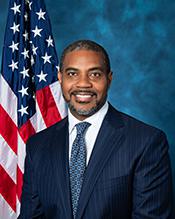
United States · Official source
1,880 records where Steven Horsford is listed as a sponsor, author, or other actor. Search with topics and years
United States · United States Congress · 10 September 2026
United States · United States Congress · 3 September 2026
United States · United States Congress · 24 August 2026
United States · United States Congress · 17 August 2026
United States · United States Congress · 6 August 2026
United States · United States Congress · 6 August 2026
United States · United States Congress · 23 July 2026
United States · United States Congress · 23 July 2026
United States · United States Congress · 22 July 2026
United States · United States Congress · 21 July 2026
United States · United States Congress · 16 July 2026
Stop Corporations and High Earners from Avoiding Taxes and Enforce the Rules Strictly Act or the Stop CHEATERS Act This bill provides additional appropriations to the Internal Revenue Service (IRS) for FY2026-FY2031 and establishes reporting requirements related to tax enforcement for high-income individuals and corporations. The bill provides specified appropriations to the IRS for FY2026-FY2031 for purposes such as tax enforcement, taxpayer services, technology and operations support, and business systems modernization. The funds provided by the bill remain available until expended. The bill also requires the IRS to submit a report to Congress every two years that includes a comprehensive description of a plan to shift more IRS auditing and enforcement assets toward high-income individuals and large corporations, recruit and retain auditors with the skills essential to audit high-income individuals and large corporations, and increase voluntary compliance among high-income individuals and large corporations. The report must also include (1) a description of the progress that has been made in implementing the plan; and (2) an analysis of how much of the difference between the taxes owed and the taxes collected by the IRS is attributable to taxpayers at different income levels, including high-income individuals and large corporations. The bill also requires the Treasury Inspector General for Tax Administration to submit a report to Congress evaluating the IRS's plan and its progress in implementing the plan.
United States · United States Congress · 13 July 2026
United States · United States Congress · 29 June 2026
AI Tax Integrity Act of 2026 This bill requires the Internal Revenue Service to establish a pilot program to use artificial intelligence to identify inaccurate federal tax returns. Upon completion of the pilot program, the Government Accountability Office must submit a report to Congress describing the aggregate amount of improper tax refunds or reduced tax liability attributable to fraud detected by the pilot program, aggregate amount recovered as a result of the pilot program, and accuracy of the artificial intelligence tools used in the pilot program in identifying fraudulent federal tax returns.
United States · United States Congress · 25 June 2026
United States · United States Congress · 23 June 2026
United States · United States Congress · 22 June 2026
United States · United States Congress · 18 June 2026
United States · United States Congress · 9 June 2026
United States · United States Congress · 4 June 2026
United States · United States Congress · 4 June 2026
United States · United States Congress · 3 June 2026
United States · United States Congress · 29 May 2026
United States · United States Congress · 21 May 2026
United States · United States Congress · 21 May 2026
United States · United States Congress · 20 May 2026
United States · United States Congress · 20 May 2026
United States · United States Congress · 20 May 2026
United States · United States Congress · 19 May 2026
United States · United States Congress · 19 May 2026
Innovative Maternal Payment and Coverage To Save Moms Act or the IMPACT to Save Moms Act This bill requires the Centers for Medicare & Medicaid Services to establish the Perinatal Care Alternative Payment Model Demonstration Project through FY2031 to allow states to test payment models for maternity care, including postpartum care, under Medicaid and the Children's Health Insurance Program (CHIP).
United States · United States Congress · 19 May 2026
United States · United States Congress · 15 May 2026
United States · United States Congress · 14 May 2026
United States · United States Congress · 14 May 2026
United States · United States Congress · 14 May 2026
United States · United States Congress · 30 April 2026
United States · United States Congress · 21 April 2026
United States · United States Congress · 9 April 2026
United States · United States Congress · 27 March 2026
United States · United States Congress · 26 March 2026
United States · United States Congress · 25 March 2026
United States · United States Congress · 25 March 2026
United States · United States Congress · 25 March 2026
United States · United States Congress · 24 March 2026
Extending WIC for New Moms Act This bill amends the Special Supplemental Nutrition Program for Women, Infants, and Children (WIC) to extend the eligibility periods for breastfeeding and postpartum women. Specifically, a state program may elect to certify a breastfeeding woman for up to 24 months (currently 1 year) postpartum. The bill also expands the eligibility period for postpartum women to up to 24 months after termination of pregnancy (currently 6 months). The Department of Agriculture must submit a report to Congress evaluating the effect of these changes to the program on (1) maternal and infant health outcomes, (2) breastfeeding rates, and (3) qualitative evaluations of family experiences under WIC.
United States · United States Congress · 24 March 2026
United States · United States Congress · 19 March 2026
United States · United States Congress · 18 March 2026
United States · United States Congress · 18 March 2026
United States · United States Congress · 17 March 2026
United States · United States Congress · 9 March 2026
United States · United States Congress · 9 March 2026