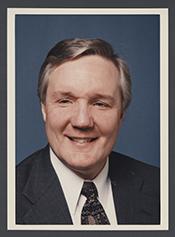
United States · United States Congress · 22 March 1989
Hispanic-Serving Institutions of Higher Education Act of 1989 - Directs the Secretary of Education to provide financial and related assistance to Hispanic-serving institutions of higher education for the following types of programs for Hispanic students: (1) student financial aid; (2) recruitment and retention; (3) academic tutoring and counseling; (4) special educational initiatives, such as pre-freshman orientation in study skills and instruction in core curricula, and academic support for those in traditionally underrepresented fields such as mathematics, science, and engineering; and (5) collaboration with local educational agencies for dropout prevention and reentry. Defines Hispanic-serving institution of higher education as a public or private accredited institution with a four-year baccalaureate or a two-year associate degree program and with a student enrollment that is at least 25 percent Hispanic. Directs the Secretary to grant program awards for up to five years, subject to annual review. Authorizes appropriations for FY 1990 through 1994.
United States · United States Congress · 22 March 1989
Requires the Director of Central Intelligence to determine a list of those foreign firms and other entities that: (1) engaged in the construction of the chemical weapons factory at Rabta, Libya; or (2) supplied goods or other services that were utilized in its design or operation. Prohibits: (1) the importation of goods produced by such entities; and (2) any U.S. agency from contracting with, or procuring goods or services from, such entities.
United States · United States Congress · 22 March 1989
Telephone Rate Verification Act of 1989 - Directs the Federal Communications Commission, between July 1, 1989, and July 1, 1990, to require each dominant carrier of interstate telephone services to submit, no later than 30 days after filing a tariff proposing any modification of any interstate telephone rate or charge, all data, reports, studies, and information necessary to determine whether an interstate telephone rate or charge of a dominant carrier complies with the requirements of the Communications Act of 1934, using the rate-of-return methodology and the price-cap methodology. Defines the rate-of-return methodology as the methods and standards used by the Commission as in effect on January 1, 1984, for determining the compliance of telephone rates or charges with such Act. Defines the price-cap methodology as the methods and standards used by the Commission on or after July 1, 1989, to determine the compliance of such charges with such Act. Requires all collected information to be open to public inspection, with a reasonable opportunity for interested parties to comment. Directs the Commission to report to the Congress semiannually during 1990 concerning all such information. Directs the Comptroller General to analyze such information and report to the Congress. Requires the Comptroller General to promptly notify the Commission of any information required to be collected which has not been collected.
United States · United States Congress · 21 March 1989
Title I: Statehood Centennial Coin - Statehood Centennial Commemorative Coin Act of 1989 - Directs the Secretary of the Treasury to mint and issue not more than a specified number of one-dollar silver coins and five-dollar palladium coins in commemoration of the 100th anniversary of the statehood of Idaho, Montana, North Dakota, South Dakota, Washington, and Wyoming. Sets forth certain features of such coins and provides for their design, issuance, and sale. Requires the Secretary to provide a specified amount of all surcharges to the Documents West exhibition program with the remaining amount of surcharges to be deposited in the Treasury to be used to reduce the national debt. Requires the Secretary to obtain silver for the one-dollar coins only from stockpiles established under the Strategic and Critical Materials Stock Piling Act. Requires the Secretary to obtain palladium for the five-dollar coins by purchase of palladium mined and refined in the United States. Grants the Comptroller General the right to examine records and other data of the Idaho Centennial Commission. Title II: Silver Proof Sets - Silver Coin Proof Set Act - Authorizes the Secretary to mint and issue silver coin proof sets. Sets forth certain specified features of such coins and provides for their sale to the public. Requires the Secretary to obtain silver for such coins by purchase from stockpiles established under the Strategic and Critical Materials Stock Piling Act and from Treasury stocks on hand.
United States · United States Congress · 21 March 1989
Anti-Terrorism Sanctions Act of 1989 - Requires the President to revoke the most-favored-nation trade status of certain foreign countries that repeatedly support international terrorism. Prohibits duty-free treatment for the products of such countries under the Trade Act of 1974 or the Caribbean Basin Economic Recovery Act. Prohibits the Secretary of Commerce from consulting with the governments of such countries regarding international travel and tourism. Allows the President to waive any sanction under this Act with respect to any foreign country if such waiver would be in the best interests of the United States. Requires the President to give 30 days' notice to the Congress concerning any waiver.
United States · United States Congress · 20 March 1989
Comprehensive Alzheimer's Assistance, Research, and Education Act of 1989 (CARE) - Title I: Public Health Service Programs With Respect to Alzheimer's Disease - Amends the Public Health Service Act to create a new title on Alzheimer's disease. Authorizes the Secretary of Health and Human Services to make grants and enter into cooperative agreements to assist grantees in establishing and maintaining, with respect to Alzheimer's and related disorders, centers for: (1) conducting basic and clinical research, training, and dissemination of clinical information; (2) demonstrating advanced diagnostic, prevention, treatment, and management methods; (3) conducting programs of community education; and (4) maximizing research. Directs the Secretary, in carrying out these provisions, to consult with the directors of specified National Institutes of Health. Specifies purposes for which grant funds may and may not be used. Limits support for a center to five years, with extensions by the Secretary of up to five years if recommended by a technical and scientific peer review group. Authorizes the Secretary to make grants to and enter into cooperative agreements with entities receiving financial assistance under these provisions for off-site research on the diagnosis and treatment of Alzheimer's and related disorders. Authorizes appropriations for FY 1990 through 1992. Authorizes the Secretary, acting through the Director of the National Institutes of Health and the Director of the National Institute of Mental Health, to make grants and enter into contracts to enable grantees to conduct basic and clinical research regarding Alzheimer's and related disorders. Directs the Secretary, in carrying out these provisions, to consult with the directors of specified National Institutes of Health. Specifies the research areas to which minimum allocations of appropriated funds must be made. Authorizes appropriations for FY 1990 through 1992. Authorizes the Secretary, acting through the Director of the National Institute of Mental Health, to make grants and enter into contracts to enable grantees to conduct research and demonstration projects with respect to teaching the families of individuals with Alzheimer's or related disorders methods for providing appropriate care and managing stress. Authorizes appropriations for FY 1990 through 1992. Authorizes the Secretary, acting through the Commissioner on Aging, to make grants and enter into contracts to enable grantees to conduct demonstration projects with respect to teaching the families of individuals with Alzheimer's or related disorders methods for providing appropriate care and managing stress. Authorizes appropriations for FY 1990 through 1992. Authorizes the Secretary, acting through the Director of the National Institute on Aging, to make grants and enter into contracts to enable grantees to conduct long-term care research with respect to Alzheimer's disease and related disorders and with respect to the coordination of long-term care services. Authorizes appropriations for FY 1990 through 1992. Authorizes the Secretary, acting through the Director of the National Center for Health Services Research, to make grants and enter into contracts to enable grantees to conduct research with respect to developing methods for improving the delivery of supportive services to individuals with Alzheimer's disease or related disorders and with respect to the coordination of long-term care services. Authorizes appropriations for FY 1990 through 1992. Directs the Secretary to develop a plan for a research program for the study of Alzheimer's and related disorders. Specifies elements for which the plan must provide. Requires research under the plan to be carried out through the National Institutes of Health. Directs the Secretary to submit the plan to the President and the Congress. Directs the Secretary to make grants to States to plan, establish, and operate programs to provide specified services regarding Alzheimer's or related disorders. Specifies purposes for which grant funds may not be used. Limits grants to three years, subject to annual evaluation by the Secretary. Limits the amount of a grant and its portion of the costs of the program for which it is made. Directs the Secretary to annually evaluate the grant programs. Authorizes the Secretary to contract with private entities to conduct the evaluation. Authorizes appropriations for FY 1990 through 1992. Directs the Secretary, acting through the Administrator of the Alcohol, Drug Abuse, and Mental Health Administration, to require, as a condition of receiving funds under provisions of part B (Alcohol and Drug Abuse and Mental Health Services Block Grant) of the Public Health Service Act, that a State must agree that activities carried out under a specified provision will include increased provision of mental health services related to Alzheimer's and related disorders. Authorizes appropriations for FY 1990 through 1992. Authorizes the Secretary, acting through the Director of the National Institute on Aging, to make grants to assist grantees in providing training programs and continuing education programs, regarding Alzheimer's or related disorders, to health care professionals, health care paraprofessionals, and family caregivers. Specifies eligible types of grant recipients. Directs the Secretary to ensure that grants are geographically distributed. Authorizes the Secretary, acting through the Director of the National Institute on Aging, to make grants to the Alzheimer's centers established by this Act to assist in developing curricula for such training programs and continuing education programs. Authorizes appropriations for FY 1990 through 1992. Directs the Secretary, acting through the Administrator of the Health Resources and Services Administration, to initiate a study regarding specified health manpower needs related to Alzheimer's disease, related disorders, and other disorders requiring long-term care services. Authorizes appropriations for FY 1990 through 1992. Directs the Secretary to establish a National Alzheimer's Disease Education Program for: (1) promoting the coordination of health care financing, service, research, education, and training programs; (2) collecting, through the Clearinghouse on Alzheimer's Disease, information on research and treatment programs; (3) making such information available to specified groups and to the general public; and (4) providing technical assistance to States and public and private organizations. Authorizes appropriations for FY 1990 through 1992. Authorizes the Secretary, through the Director of the National Institute on Aging, to make grants to educate health care providers and the families of individuals with Alzheimer's disease or related disorders on caring for individuals with such diseases or disorders and on the availability of sources of assistance. Requires grants to be geographically distributed. Authorizes appropriations for FY 1990 through 1992. Title II: Improvement of Services Under Medicare and Medicaid Programs - Directs the Secretary of Health and Human Services to review the levels of reimbursement provided under title XVIII (Medicare) of the Social Security Act for home health services, extended care services, and inpatient hospital services relating to an advanced stage of Alzheimer's or a related disorder and adjust the levels to accurately reflect the reasonable amount required to provide adequately for services furnished. Requires each State plan approved under title XIX (Medicaid) of the Social Security Act to report to the Secretary on how the levels of reimbursement under the plan for home health services, nursing facility services, inpatient hospital services, and community-based care take into account special needs regarding an advanced stage of Alzheimer's or a related disorder. Directs the Secretary to modify contracts with utilization and quality control peer review organizations under part B (Peer Review) of title XI of the Social Security Act to ensure that the organizations conduct adequate and representative quality of care reviews on patients who require intensive home health services or extended care services. Requires States, as a condition of approval of a State plan under Medicaid, to provide assurances that the State is providing for the conduct of adequate and representative quality of care reviews on patients who require intensive home health services, nursing facility services, or other long-term care services. Directs the Secretary to review and report to the Congress regarding whether specified types of facilities participating under the Medicare or Medicaid program limit or restrict the services they provide to individuals with Alzheimer's or a related disorder. Directs the Secretary to provide for research and demonstration projects concerning methods of improving the delivery of health care services to Medicare and Medicaid beneficiaries with Alzheimer's disease or a related disorder. Specifies projects to be included. Directs the Secretary to provide for an evaluation of the research and demonstration projects and submit a report to the Congress. Authorizes appropriations for FY 1990 through 1992. Requires funds, to the extent that research and demonstration projects relate to Medicare beneficiaries, to be appropriated from the Federal Hospital Insurance Trust Fund and the Federal Supplementary Medical Insurance Trust Fund. Authorizes the Secretary to waive compliance with the requirements of part B (Peer Review) of title XI, title XVIII (Medicare), and title XIX (Medicaid) of the Social Security Act as necessary to conduct these research and demonstration projects.
United States · United States Congress · 16 March 1989
Acid Deposition Control Act of 1989 - Title I: Stationary Sources - Amends the Clean Air Act to require each Governor to submit to the Administrator of the Environmental Protection Agency for approval a two-phased plan establishing emission limitations and compliance schedules for sulfur dioxide and oxides of nitrogen emissions from fossil fuel fired electric utility steam generating units in the State. Requires reductions in sulfur dioxide emissions by 1994 (phase I) and reductions in oxides of nitrogen and further reductions in sulfur dioxide by 1998 (phase II). Directs each Governor to submit to the Administrator for approval an emissions limitations plan for such units, other than electric utilities' units, requiring both sulfur dioxide and oxides of nitrogen emissions reductions by 1998. Requires the Administrator to conduct and update an annual inventory of sulfur dioxide and oxides of nitrogen emissions from stationary sources. Directs the Administrator to identify the total statewide potential reductions in such emissions and to transmit such information to the State. Requires each Governor to submit to the Administrator a plan for establishing emission limitations from stationary sources of industrial process emissions to achieve such State's potential reductions by 1998. Requires the Administrator to study and report to the Congress by June 30, 1994, on the reductions achieved during phase I, granting the Congress an opportunity to legislate by the start of 1995 against the implementation of phase II. Grants States an opportunity to modify disapproved plans. Establishes emissions standards and Administrator-promulgated plans for States without an approved plan. Requires units in such States to submit a compliance plan and schedule to the Administrator. Directs the Administrator to impose fees on the generation and importation of electric energy if a utility is eligible for Federal subsidies to cover rate increases attributable to emission reduction requirements. Limits such fee to a maximum of 1/2 mill per kilowatt hour and makes it inapplicable to the generation of electric energy within the United States by hydroelectric or nuclear power. Prohibits the application of such fees after December 31, 1997. Prescribes civil penalties for violations in connection with such fees. Establishes the Acid Deposition Control Fund to provide for subsidies to electric utilities to cover rate increases attributable to emission reduction requirements. Prohibits the payments of subsidies to any utility, unless the State's Governor has assured that such rate increases are: (1) equivalent for residential electric utility ratepayers throughout the State; and (2) made level over the period during which such requirements are in effect. Prohibits costs for any technological system of emission reduction from being attributed to such requirements, unless such system meets specified conditions. Authorizes the Administrator to provide financial assistance to the owners or operators of stationary sources to promote the use of innovative technologies to control sulfur dioxide, nitrogen oxides, and other emissions from fossil fuels covered under the Clean Air Act. Sets forth eligibility and evaluation requirements. Allows State plans to provide for the use of innovative technology if contingent emission limitations are included in such plans. Authorizes the Administrator to impose fees on the generation of electric energy in such States to promote the use of innovative technologies. Prescribes civil penalties for violations in connection with such fees. Directs the Administrator to revise standards for emissions of nitrogen oxides for electric utility steam generating units burning bituminous or subbituminous coal. Requires the Administrator to promulgate standards for such emissions from nonelectric utility units which are new sources over a certain capacity. Title II: Emissions from Mobile Sources - Establishes emission standards for: (1) oxides of nitrogen from passenger cars and trucks manufactured after model year 1990; and (2) hydrocarbons from trucks manufactured after model year 1991. Directs the Administrator to promulgate regulations setting a maximum percentage for the sulfur content of motor vehicle diesel fuel. Prohibits any manufacturer or processor of diesel fuel from selling or introducing into commerce any fuel not in compliance with such regulations after January 1, 1991. Directs the Administrator to promulgate regulations to require the use of either hydrocarbon control technology by motor vehicles manufactured after model year 1991, or gasoline vapor recovery of hydrocarbon emissions emanating from the fueling of motor vehicles, or both.
United States · United States Congress · 16 March 1989
Amends the Internal Revenue Code to make natural gas found in tight sands formations eligible for the income tax credit for producing fuel from a nonconventional source. Makes this credit permanent with respect to gas found in such formations and to gas produced from Devonian shale. Applies the nonconventional fuels tax credit to alternative minimum tax calculations.
United States · United States Congress · 16 March 1989
National Global Warming Policy Act - Declares that it is U.S. policy to: (1) reduce the generation of greenhouse gases in the United States, with an initial goal of reducing carbon dioxide emissions from 1988 levels by 20 percent by the end of the year 2000; (2) host, in 1989, an international summit meeting on global warming and environmental concerns; (3) encourage, and develop multilateral agreements with, other nations to reduce the generation of such gases; (4) assist in the worldwide protection of tropical rainforests; (5) require Federal agencies to determine the impacts of global warming on their activities and propose greenhouse gas reduction policies; and (6) develop technologies that will provide reliable energy and services while reducing the generation of such gases.
United States · United States Congress · 15 March 1989
Waste Reduction Act - Makes it the national policy to reduce or prevent pollution at its source whenever feasible. Directs the Administrator of the Environmental Protection Agency (EPA) to establish an office within the EPA which will be independent of the EPA's single-medium program offices and have the authority to review and advise such offices on their activities to promote a multi-media approach to source reduction. Directs the Administrator to develop and implement a strategy to promote source reduction. Identifies several review, coordination, outreach, and organizational actions that the Administrator must take as part of such strategy. Requires the Administrator to: (1) make matching grants to States for programs promoting the use of source reduction techniques by businesses; and (2) establish a Source Reduction Clearinghouse to compile information generated by States receiving grants on management, technical, and operational approaches to source reduction. Requires that such information be made available to the public. Requires filings of annual toxic chemical release forms required under the Superfund Amendments and Reauthorization Act of 1986 to include toxic chemical source reduction and recycling reports for toxic chemicals which are the subject of such filings. Includes in such reports information, on a facility-by-facility basis, as to: (1) the amounts and disposition of each toxic chemical; (2) the source reduction practices used with respect to such chemicals; (3) measurements of changes from past to anticipated levels of chemical reduction and recycling; and (4) the techniques used to identify source reduction opportunities. Makes such information available to the public. Directs the Administrator to report to the Congress within one year of this Act's enactment and biennially thereafter on the results of actions taken to implement source reduction strategies. Authorizes appropriations.
United States · United States Congress · 15 March 1989
Student Athlete Right-to-Know Act - Requires institutions of higher education receiving Federal assistance to provide certain information with respect to the graduation rates of student-athletes. (Includes information on fields of study, race, and sex under such requirement.) Requires such institutions to report such information annually to the Secretary of Education and to include it in their letters of intent to prospective students who are candidates for athletic scholarships. Directs the Secretary to compile and publish a report containing such information and to make copies available upon request to individuals and secondary schools.
United States · United States Congress · 15 March 1989
Campaign Expenditure Limitation Act of 1989 - Amends the Federal Election Campaign Act of 1971 to establish limitations on expenditures in elections for the House of Representatives. Prohibits a candidate from making expenditures from personal funds or immediate family funds which, in the aggregate, exceed $25,000. Prohibits a candidate from making expenditures which, in the aggregate, exceed $200,000. Prohibits any person from making independent expenditures which, in the aggregate, exceed $2,500. Prohibits a candidate from accepting contributions from nonparty multicandidate political committees or from separate segregated funds which, in the aggregate, exceed $50,000. Makes it the duty of the court of appeals and the Supreme Court to expedite judicial review of the constitutionality of any provision of this Act.
United States · United States Congress · 15 March 1989
Research and Experimental Credit Extension and Reform Act of 1989 - Amends the Internal Revenue Code to make permanent the income tax credit for qualified research expenditures by repealing the provisions that would terminate the credit for expenses incurred or paid after 1989. Revises the method for computing: (1) base period research expenses, adding a factor reflecting the gross national product growth rate; and (2) the tax credit, adding an alternative computation component. Applies the credit to in-house research expenses that the taxpayer pays or incurs for the principal purpose of using the research results in the active conduct of a future trade or business.
United States · United States Congress · 14 March 1989
Television Violence Act of 1989 - Exempts from the antitrust laws any joint discussion, consideration, review, action, or agreement by or among persons in the television industry for the purpose of, and limited to, developing and disseminating voluntary guidelines designed to alleviate the negative impact of violence in telecast material, provided the joint action does not result in a boycott of any person. Terminates such exemption three years after enactment of this Act.
United States · United States Congress · 14 March 1989
Martin Luther King, Jr., Federal Holiday Commission Extension Act - Makes permanent the Martin Luther King, Jr. Federal Holiday Commission. (Current law terminates the Commission on April 20, 1989.) Makes the term of Commission members one year, except for Coretta Scott King (life term) and members of the family surviving Martin Luther King, Jr. (at the discretion of the family). Amends existing requirements to make the Commission's report on its activities reflect the most recent observance of the holiday. Replaces provisions requiring all expenditures of the Commission to be from donated funds with provisions authorizing appropriations for each fiscal year. Makes payment of expenses for Commission members and staff salary subject to the availability of funds.
United States · United States Congress · 14 March 1989
Foreign Agents Compulsory Ethics in Trade Act of 1989 - Amends the Federal criminal code to prohibit the President, the Vice President, certain high-level Federal officials and employees, certain high-ranking active-duty members of the uniformed services, and Members of Congress from representing or advising foreign principals on matters of direct and substantial U.S. interest during the four-year period after cessation of Federal employment. Requires the Attorney General to grant a waiver to such prohibition unless the proposed conduct could harm the national interests or create an undue appearance of conflict of interest. Authorizes the Attorney General, upon reason to believe that a person is engaging in conduct in violation of this Act, to petition the appropriate U.S. district court for an order prohibiting such conduct. Establishes civil and criminal penalties for violations of this Act.
United States · United States Congress · 14 March 1989
Eliminates post-1968 service in the National Guard as a prerequisite to civil service retirement credit for former National Guard technicians. Amends the National Guard Technicians Act of 1968 to eliminate post-1968 service as a prerequisite for National Guard technicians for receipt of credit in the determination of length of Federal civil service for purposes of leave, Federal employees' death and disability compensation, group life and health insurance, severance pay, tenure, and status. Sets forth rules for applying provisions of this Act to affected individuals.
United States · United States Congress · 9 March 1989
Amends the Foreign Agents Registration Act of 1938 to declare that a foreign principal shall be considered to control a person in major part if: (1) such principal holds more than 50 percent of equitable ownership in such person; or (2) such principal, subject to rebuttal evidence, holds at least 20 percent but not more than 50 percent of equitable ownership in such person. Requires agents of foreign principals who have filed registration statements to file supplements to such statements with the Attorney General on January 31 and July 31 of each year. Repeals a provision exempting agents of foreign principals who are qualified to practice law from filing registration statements. Imposes civil penalties upon persons who have: (1) failed to file such registration statements; or (2) omitted a material fact or made false statements on such registration statements.
United States · United States Congress · 9 March 1989
Prohibits the obligation of funds for the B-2 Advanced Technology Bomber Program until the Secretary of Defense reports to the Congress on the following information with respect to the program: (1) total cost, including cost estimates and budget requests for future fiscal years; (2) production schedules; (3) test programs; and (4) the Secretary's views regarding the missions and purposes of such aircraft.
United States · United States Congress · 9 March 1989
Kangaroo Protection Act - Provides that any administrative exception made under the Endangered Species Act of 1973 permitting the importation of kangaroos, their parts, and products shall not apply to kangaroos removed from the wild in accordance with an Australian management plan.
United States · United States Congress · 7 March 1989
Illegal Dumping Prevention Act of 1989 - Amends the Marine Protection, Research, and Sanctuaries Act of 1972 to authorize the seizure and forfeiture of vessels illegally dumping wastes into ocean waters.
United States · United States Congress · 7 March 1989
Requires the Architect of the Capitol to establish and implement a voluntary program for recycling paper disposed of in the operation of the House of Representatives.
United States · United States Congress · 2 March 1989
Directs the Secretary of Energy to establish three Centers for Metal Casting Competitiveness Research as part of the Department of Energy's energy conservation programs.
United States · United States Congress · 2 March 1989
Price Fixing Prevention Act of 1989 - Provides that in any civil action alleging a contract, combination, or conspiracy to set, change, or maintain prices (other than a maximum price) under the Sherman Antitrust Act: (1) evidence that a person who sells a good or service to the claimant for resale received from a competitor a communication regarding price competition by the claimant and in response terminated the claimant as a buyer (or refused to supply such goods or services) shall be sufficient to raise the inference that such person and such competitor engaged in concerted action to set, change, or maintain prices in violation of such Act (in such case, a termination or refusal to supply is in response to a communication if such communication is a substantial contributing cause of such termination or refusal to supply); (2) the fact that the seller and the purchaser of a good or service entered into an agreement shall be sufficient to constitute a violation of such Act; and (3) an agreement between the seller and the purchaser to terminate another purchaser as a dealer or to refuse to supply such other purchaser because of that purchaser's pricing policies shall constitute a violation of such Act, whether or not a specific price level is agreed upon.
United States · United States Congress · 2 March 1989
Condemns the death threats issued by the Ayatollah Khomeini against Salman Rushdie and other persons associated with distribution of The Satanic Verses . Calls for repudiation of such threats and the immediate withdrawal of any monetary reward or martyrdom for the murder of Rushdie. Commends the European Community member States for condemning the threats and withdrawing their senior diplomats from Iran. Applauds President Bush for his statement of outrage against the Iranian Government's actions. Asks that the President direct Federal agencies to cooperate with State and local law enforcement authorities to protect commercial establishments that display and distribute The Satanic Verses .
United States · United States Congress · 1 March 1989
Renewable Energy and Energy Efficiency Technology Competitiveness Act of 1989 - Sets forth specified national goals for the wind, photovoltaics, and solar thermal energy programs. Requires the President's budget requests for FY 1991 to contain the recommendations of the Secretary of Energy for specified Department of Energy research and development programs for 1993, including biofuels energy systems, solar buildings energy systems, ocean energy systems, and geothermal energy. Authorizes appropriations for FY 1991 through 1993 for: (1) the wind energy research program; (2) the photovoltaic energy systems program; (3) the solar thermal energy systems program; (4) the biofuels energy systems program; (5) the solar buildings energy systems program; (6) the ocean energy systems program; and (7) the geothermal energy program. Requires the Secretary to submit an options analysis to the Congress regarding the accelerated commercialization of specified renewable energy technologies. Requires the President's budget requests for FY 1991 and 1992 to include the Secretary's recommendations of amounts to be set aside for energy efficiency research and development and demonstration initiatives. Authorizes appropriations for specified energy efficiency research and development programs for FY 1991 through 1993. Directs the Secretary to establish joint research and development ventures in specified energy technologies and to report to the Congress on the implementation of such plans. Directs the Secretary to establish the following advisory bodies: (1) Advisory Committee on Renewable Energy and Energy Efficiency Technology; (2) Advisory Subcommittee on Photovoltaic Energy Technology; (3) Advisory Subcommittee on Wind Energy Technology; (4) Advisory Subcommittee on Solar Thermal Energy Technology; (5) Advisory Subcommittee on Energy Performance in Factory-Made Housing; (6) Advisory Subcommittee on Advanced District Cooling Technology; and (7) Advisory Subcommittee on Renewable Energy and Energy Efficiency Technology Exports. Authorizes appropriations for FY 1991 through 1993 for such joint ventures. Requires the Committee on Renewable Energy, Commerce and Trade to report annually to the Congress regarding renewable energy technology exports. Authorizes appropriations for such Committee activities for FY 1991 through 1993. Amends the National Energy Conservation Policy Act to direct the Secretary to establish an information dissemination program for Federal procurement and loan officers on the benefits of solar heating and cooling technology, including site visits and technical briefings. Requires the Secretary to make annual reports to the Congress regarding the research programs and ventures under this Act. Requires each annual submission of the National Energy Policy Plan to be accompanied by a three-year strategic plan for energy technology research, development, and demonstration, including energy conservation and renewable energy technologies.
United States · United States Congress · 1 March 1989
Imposes a civil penalty upon any person who mails to any individual or group of individuals at their place of residence: (1) any unsolicited sexually oriented advertisement; or (2) any unsolicited obscene, lewd, lascivious, indecent, filthy, or vile article, matter, thing, device, or substance.
United States · United States Congress · 1 March 1989
Administrative Law Judge Corps Act - Establishes, in Washington, D.C., an Administrative Law Judge Corps (the Corps) comprised of all current administrative law judges. States that the chief administrative law judge shall be the chief administrative officer of the Corps as well as its presiding judge. Specifies the qualifications for chief judge. States that such judge shall be appointed by the President, with the advice and consent of the Senate. Directs the chief judge to submit annual reports to the President and the Congress. Establishes divisions (to number between four and ten) within the Corps, with each division headed by a division chief judge appointed by the chief administrative law judge, with the approval of the Council of the Administrative Law Judge Corps (the first division chief judge of each division shall be appointed by the President, with the advice and consent of the Senate). Sets forth qualifications for division chief judges. Identifies initial divisions and their respective areas of jurisdiction. States that the Corps' policymaking body shall be the Council of the Corps (the Council), comprised of the chief judge and the division chief judges. Authorizes the Council to determine matters of general Corps policy, including: (1) issuance of regulations for Corps proceedings; (2) creation or abolition of divisions or regional offices; (3) contractual transactions; and (4) delegation of functions to division chief judges. Establishes a Judicial Nomination Commission to submit a list of qualified nominees for positions of chief judge and division chief judges. Prescribes a procedure for recommending appointments to the President. Directs the Corps to appoint new judges from a register maintained by the Office of Personnel Management. Confers jurisdiction upon members of the Corps to adjudicate cases under specified sections of the Administrative Procedure Act. Requires cases arising under such sections to be referred to the Corps. Directs the Council to issue regulations for assigning such cases. Provides guidelines for the removal and discipline of administrative law judges. Establishes a Complaints Resolution Board within the Corps to recommend action upon complaints against the official conduct of judges. Details the membership of such Board and the procedures to be followed. Declares Board proceedings and the contents of complaints to be privileged and confidential. Exempts documents and reports considered by the Board from the disclosure and publication requirements of the Freedom of Information Act. Exempts the Board from compliance with the public meeting requirements of specified Federal law. Authorizes appropriations.
United States · United States Congress · 1 March 1989
Amends the Internal Revenue Code to extend through 1992 the period during which qualified mortgage bonds and mortgage credit certificates may be issued. (Under current law, authority for these programs is due to expire as of 1990.)
United States · United States Congress · 28 February 1989
Authorizes any person who receives an unsolicited sexually oriented advertisement through the mails to request the Postal Service to order the sender to disclose the source from which the recipient's name or address was obtained. Authorizes the Postal Service to request the Attorney General to apply to a U.S. district court for an order directing compliance.
United States · United States Congress · 28 February 1989
Amends the Federal Cigarette Labeling and Advertising Act to require that cigarettes and cigarette advertising bear a label stating the addictive quality of nicotine.
United States · United States Congress · 27 February 1989
Excludes Agent Orange settlement payments from income or resources in determining eligibility for benefits under any Federal or federally assisted program.
United States · United States Congress · 27 February 1989
Amends the Federal Election Campaign Act of 1971 to provide for public financing of general election campaigns for the House of Representatives. Authorizes candidates for the House of Representatives to accept amounts from the House of Representatives Campaign Trust Fund (established by this Act). Prohibits candidates from accepting contributions from all sources, including the Trust Fund, in excess of $300,000 ($350,000 if the candidate is not an incumbent) of which not more than one-half may be accepted from nonparty multicandidate political committees or from separate segregated funds of corporations, labor unions, and national banks. Amends the Internal Revenue Code to establish the House of Representatives Campaign Trust Fund. Authorizes taxpayers to include with their returns a cash contribution to the Trust Fund. Sets forth the various accounts of the Trust Fund. Authorizes expenditures from the Trust Fund to candidates who certify to the Federal Election Commission that they have received contributions during a two-year election cycle aggregating not less than $25,000, in contributions of $100 or less from individual contributors. Allows a tax credit of 50 percent of the qualified political contributions made by a taxpayer for the taxable year. Limits such tax credit to $50 ($100 in the case of a joint return). Prohibits an authorized committee of any individual who is a Member of the House of Representatives or a candidate for such office from making any contribution to an authorized committee of any other individual who is such a Member or candidate. Requires any person making an independent expenditure during a specified period in the form of an advertisement or informational mailing to include the name of the candidate intended to benefit from such advertisement or mailing.
United States · United States Congress · 27 February 1989
Carl D. Perkins Vocational-Technical Education Act Amendments of 1989 - Amends the Carl D. Perkins Vocational Educational Education Act (the Act) to reauthorize and revise its programs. Adds to the purposes of the Act assurance that disadvantaged parents dependent on Aid to Families with Dependent Children (AFDC) program assistance receive access to quality vocational education programs. Authorizes appropriations for FY 1990 and succeeding fiscal years for specified programs. Title I: Amendments to Title I - Changes the heading of title I to Vocational and Adult Education. Adds a new part A, Office of Vocational and Adult Education. Establishes the Office of Vocational and Adult Education (the Office) within the Department of Education, to be headed by an Assistant Secretary for Vocational and Adult Education. Transfers various functions of the Secretary to the Assistant Secretary. Revises provisions relating to allotments to States and within-State allocations, State administration, State councils of vocational education, State plans, approval, and local applications. Requires that, from the remainder of its State allotment, each State make available: (1) at least 25 percent for activities in postsecondary education, including education for adults in out-of-school settings; and (2) at least 25 percent for activities in secondary education. Includes student members of vocational student organizations on State councils of vocational education. Title II: Basic Grants for Vocational Education - Part A: Vocational Education Opportunities - Revises provisions relating to uses of funds, distribution of assistance, and criteria for services and activities for the handicapped and disadvantaged. Allows a State, after documenting the need to do so and receiving the Assistant Secretary's written approval, to transfer up to 20 percent of the funds allotted to any category of special population allotments to another such category. Part B: Vocational Education Program Improvement, Innovation, and Expansion - Provides for the use of funds for inservice and preservice training for teachers, counselors, and administrators, training for State and local leaders, and vocational-technical education leadership training and professional development. Title III: Special Programs - Part A: State Assistance for Vocational Education Support Programs by Community-Based Organizations - Provides for the use of funds for: (1) foster care youth making the transition to independent living; (2) non-English speaking youth; and (3) model programs using vocational education approaches to prevent school dropouts or promote their reentry to school. Part B: Consumer and Homemaker Education - Provides for consumer and homemaker education grants for instruction in individual and family health. Provides for the use of funds for instruction relating to: (1) balancing work and family; (2) family violence and child abuse; (3) teenage parents; (4) teen pregnancy prevention; and (5) at-risk populations, including the homeless. Allows funds for information dissemination and leadership to be used to help provide State leadership and full-time State administrators qualified by experience and educational preparation. Part C: Adult Training, Retraining, and Employment Development - Subpart 1: Basic Program - Requires Adult Training, Retraining and Employment Development programs to serve the unemployed. Allows the use of State grant funds for: (1) cooperation education; (2) career guidance and vocational counseling; (3) occupational education programs begun in junior year of high school and completed in a community, technical, or junior college; and (4) training and retraining for high technology occupations or in businesses with technological needs, with special consideration to individuals 55 and older. Subpart 2: Special Programs - Makes technical amendments regarding grants for special programs and their uses. Part D: Comprehensive Career Guidance and Vocational Counseling Programs - Requires that at least 20 percent of funds to a State under this part be used for research and demonstration projects to establish and implement or demonstrate student/client outcome standards delivered through comprehensive career guidance and vocational counseling programs. Requires fund recipients to review, set, or make known the standards under which such programs will be measured in the future. Part E: Business-Industry-Education Partnership for Training in High Technology Occupations - Includes small businesses and persons with limited English proficiency among those to be served by the Business-Industry-Education Partnership for Training in High Technology Occupations program. Includes cooperative education among uses of grants. Allows the use of funds for: (1) career guidance; (2) occupational programs begun in junior year of high school and completed in a community technical, or junior college; and (3) activities which encourage collaboration between small businesses and vocational education to develop appropriate high-technology skills and placement opportunities. Part F: Tech-Prep Education Programs - Adds the following new part F, Tech-Prep Education Programs, to title III of the Act. Tech-Prep Education Act - Establishes a program of grants to consortia of local educational agencies and community colleges to provide tech-prep education programs. Defines "tech-prep education program" as a combined secondary and postsecondary program which: (1) leads to an associate degree or two-year certificate; (2) provides advanced technical preparation in such fields as agriculture, business, health, applied science, or mechanical or industrial trades; (3) provides competence in mathematics, science, and communications; and (4) leads to placement in employment or further education. Directs the Assistant Secretary, from each State's allotment in accordance with State plans, to make grants to pay the Federal share of the cost of activities carried out under this part to consortia of: (1) local educational agencies or area vocational schools serving secondary school students; and (2) community colleges and postsecondary vocational technical schools. Sets forth the Federal share. Requires each grant recipient to use the grant funds to develop and operate a four-year technical preparation education program with specified curricula. Sets forth reporting requirements. Title IV: National Programs - Part A: Research and Professional Development - Subpart 1: Research - Includes adults who are in need of training among those to be served. Includes long-range research, field-initiated research, and cooperative education among research activities to be funded. Directs the Secretary to include in the annual report research criteria and summaries of research activities and their contribution to vocational education. Revises provisions for national assessment of vocational educational programs assisted under the Act. Requires such assessment to compare, where practicable, the impact of vocational education programs with the impact of nonvocational secondary education and liberal arts postsecondary education programs on achievement of academic skills and employment opportunities. Revises the formula for limitation of expenditures for such assessment. Revises provisions for the National Center for Research in Vocational Education to require a minimum set-aside of research funds for the Center. Subpart 2: Professional Development - Establishes a program of vocational education personnel development assistance, including opportunities for: (1) advanced study of vocational education; (2) vocational educators updating their technological knowledge; (3) training of new vocational education teachers; and (4) gifted and talented vocational education secondary and postsecondary students to intern with specified organizations. Provides for vocational education leadership development awards. Authorizes the Assistant Secretary to establish and support, through grants or contracts to public colleges and universities, up to ten vocational education leadership development research institutes to: (1) improve response to the needs of the labor market and special populations; (2) develop professional leadership; and (3) enhance teacher education. Part B: Demonstration Programs - Subpart 1: Cooperative Demonstration Programs - Provides for programs to overcome national skill shortages in new and emerging occupations and to add programs for: (1) professional leadership development, especially for minorities; (2) model child growth and development centers; and (3) secondary vocational education partnerships with business, industry, and labor. Subpart 2: State Equipment Pools - Makes conforming amendments. Subpart 3: Demonstration Centers for the Retraining of Dislocated Workers - Makes conforming amendments. Subpart 4: Model Centers for Vocational Education for Older Individuals - Makes conforming amendments. Part C: Vocational Education and Occupational Information Data - Revises provisions relating to a national vocational education data reporting and accounting system. Directs the Assistant Secretary, by September 30, 1991, to establish a National Vocational Education Data System using comparative information elements and uniform definitions and including specified types of information. Directs the Assistant Secretary to establish and chair a task force to establish, operate, and update the system. Requires the system to be compatible with other specified vocational data systems and for reviewing the system biennially. Requires the National Occupational Information Coordinating Committee to: (1) develop and implement a labor market data base representative of actual jobs, new jobs, replacements, and trends; and (2) reserve a specified portion of funds to support State occupational information coordinating committees in carrying out State occupational information systems and career information delivery systems. Requires the Assistant Secretary to establish a National Network for Curriculum Coordination in Vocational and Technical Education, consisting of six regional curriculum coordination centers. Part D: National Council on Vocational Education - Requires that at least one member of the National Council on Vocational Education be a secondary or postsecondary vocational education student active in a vocational student organization. Requires the Council to advise about worksite programs such as cooperative education. Part E: Bilingual and Limited English Proficiency Vocational Training - Sets forth findings and purposes relating to limited English proficiency individuals and their needs. Subpart 1: Bilingual Vocational Training - Requires that certain funds be used for: (1) training of instructors and staff of bilingual vocational education and training programs; and (2) development of instructional and curriculum materials methods, or techniques for bilingual vocational training. Subpart 2: Targeted Assistance for Persons of Limited English Proficiency - Establishes a new program of vocational education targeted assistance for persons of limited English proficiency. Part F: General Provisions - Repeals part F (General Provisions) of title IV of the Act. Title V: General Provisions - Part A: Federal Administrative Provision - Makes conforming amendments. Part B: Definitions - Revises title II part B (Definitions). Title VI: Conforming Amendments - Makes conforming amendments to the table of contents of the Act.
United States · United States Congress · 23 February 1989
Makes the legal defense of discretionary function provided under specified Federal law inapplicable to any legal or administrative proceeding for damages arising out of U.S. violation of occupational safety or health standards or U.S. negligence at any workplace owned or operated by or under contract with the United States.
United States · United States Congress · 22 February 1989
Global Warming Prevention Act of 1989 - Establishes as national goals: (1) that the amount of carbon dioxide in the atmosphere be reduced from 1988 levels by at least 20 percent by the year 2000 through a mix of Federal and State energy policies; and (2) the establishment of an International Global Agreement on the Atmosphere by 1992. Requires the Secretary of Energy (the Secretary) and the Administrator of the Environmental Protection Agency to report to the Congress within two years regarding whether a higher level of carbon dioxide emissions reduction is desirable after 2000, together with any necessary policy actions and their costs and benefits. Title I: National Least-Cost Energy Plan - Requires the Secretary to prepare for the President, and transmit to the Congress, a new National Least-Cost Energy Plan in lieu of other authorized national energy plans. Directs the Secretary to implement such plan immediately. Outlines a program for public involvement in the formulation of the Plan. Directs the Secretary to establish an intervenor funding mechanism based upon certain State models. Authorizes appropriations for FY 1990 through 1992. Requires designated Secretaries to prepare reports for inclusion in the Plan with respect to: (1) all government subsidies for energy-related expenditures; (2) waste reduction options and recycling; (3) tree plantings to offset carbon dioxide emissions; and (4) transportation modes to reduce carbon-dioxide emissions. Amends the Department of Energy Organization Act to repeal the National Energy Policy Plan. Title II: Energy Efficiency - Part A: Energy Efficiency Policy - Directs the Secretary to grant the highest priority to energy efficiency improvements in: (1) energy-consuming devices; (2) federally owned and leased buildings and equipment; (3) federally assisted housing; and (4) the Federal vehicle fleet. Mandates that the President's budget request for FY 1991 through 1994 include recommendations for the increased efficiency of energy-consuming devices. Directs the Secretary to establish an Energy Research Advisory Board Panel on end-use energy technologies. Requires the Panel to report annually to the Energy Research Advisory Board on its assessment of promising energy efficiency research and development opportunities and policies. Requires the Secretary to submit to the Congress: (1) a long-term research and development plan that accelerates by five years the current Department of Energy multiyear program goals for energy efficiency; and (2) an estimate of the funding increase needed to achieve such accelerated goals. Authorizes appropriations for FY 1991 through 1993. Directs the National Institute of Standards and Technology to provide financial assistance in consultation to ten research centers to achieve multiple improvements in energy-intensive industrial and manufacturing processes. Sets forth an operations timetable for such centers. Authorizes appropriations for such centers for FY 1991 through 1993. Directs the Secretary to: (1) establish energy efficiency goals resulting in specified primary energy savings for federally owned or leased buildings, as well as federally assisted housing; and (2) include the use of renewable forms of energy within the energy efficiency options for such buildings. Authorizes appropriations for such program for FY 1990 through 1992. Requires the Secretaries of Energy and the Department of Housing and Urban Development to convene a meeting of housing industry members to select a not-for-profit organization to administer a uniform nationwide home energy rating system. Mandates that such organization contract with the Lawrence Berkeley National Laboratory Center for Building Sciences by a certain deadline. Authorizes appropriations for such organization for FY 1990 through 1993. Mandates that certain institutions which offer federally assisted home mortgage loans take measures to encourage cost-effective energy efficiency improvements based upon a home energy audit and rating scheme. Directs the Secretary to promulgate energy efficiency standards for incandescent and fluorescent lamps and windows. Requires the Secretary to: (1) implement a research, development, and demonstration program on technologies to reduce chlorofluorocarbon use; (2) expand the Department of Energy's existing technology transfer initiative on least-cost electric utility planning; and (3) implement a least-cost gas utility initiative. Requires the Secretary of Transportation to: (1) establish an evaluation program regarding car-pooling arrangements and high-occupancy vehicle lanes; and (2) report to the Congress on nonmotorized transportation alternatives, as well as a fuel-savings mass transportation assistance program for State and local governments. Requires such Secretary to report to the Congress on the use of Highway Trust Fund moneys for non-motorized transportation alternatives and for carbon-dioxide emissions reductions. Directs the Federal Energy Regulatory Commission to: (1) take certain prescribed actions to ensure the adoption of least-cost utility planning principles; and (2) detail for the Congress any amendments to the Federal Power Act which are necessary for the Commission to adopt such planning principles. Requires the Secretary of Energy to report to the Congress on the results of a national power survey emphasizing policies and technologies within the electric utility industry which are designed to diminish global warming. Amends the National Energy Conservation Policy Act to repeal the prohibition against the supply or installation by a public utility of a residential energy conservation measure for residential customers. Amends the Public Utility Regulatory Policies Act of 1978 to direct the Federal Energy Regulatory Commission (FERC) to prescribe within one year after the date of enactment of this Act rules encouraging the achievement of qualifying efficiency. Mandates that such rules: (1) require that electric utilities offer to purchase qualifying conservation from qualifying cogeneration or small power production facilities; and (2) provide for the verification of conservation achievement. Prescribes rate guidelines for such electric utilities purchases. Establishes Federal standards for least cost supply measures, and requires State regulatory authorities and nonregulated gas and electric utilities to implement such standards. Title III: State Energy Conservation Program - Amends the Energy Policy and Conservation Act to mandate that each State energy conservation plan which receives Federal assistance contain a goal to reduce by ten percent or more the total amount of energy consumed in such State in the year 2000 from the projected energy consumption for such year as of October 1, 1990. Adds to Federal assistance eligibility prerequisites for proposed State energy conservation plans, including an emergency planning program for energy supply disruption. Cites optional State energy conservation programs. Repeals the mandate for supplemental State energy conservation plans. Authorizes appropriations for energy conservation programs (including those for schools and hospitals) for FY 1990 through 1992. Establishes a State Energy Advisory Board to: (1) review and advise on the programs under this Act; (2) serve as liaison between the States and the Department of Energy on energy efficiency; and (3) report annually to the Secretary and the Congress on its activities. Authorizes the use of loan programs and performance contracting for the non-Federal share of energy conservation project costs under the grant program. Amends the Energy Conservation and Production Act to cite conditions under which the Secretary may approve a State application for a waiver of: (1) the requirement that at least 40 percent of Federal weatherization assistance be used for weatherization materials; and (2) the limitations placed upon expenditures per dwelling unit for weatherization measures. Authorizes appropriations for FY 1991 through 1992 for a weatherization research and technical assistance program which shall include the monitoring of indoor air quality in low-income homes. Title IV: Vehicle Energy Efficiency Improvements - Vehicle Energy Efficiency Performance Standards Act of 1989 - Amends the Motor Vehicle Information and Cost Savings Act to increase the average fuel economy standards for passenger automobiles and light duty trucks for model year 1992 and thereafter according to prescribed guidelines. Exempts manufacturers of fewer than 10,000 light trucks and emergency vehicles from such prescribed standards. Establishes an incentives schedule for manufacturers of passenger automobiles and light trucks. Authorizes the Secretary of Transportation to assess a tax against any manufacturer who fails to comply with the prescribed average fuel economy standards. Terminates the current civil penalty after model year 1989. Prescribes a fleet average fuel economy schedule for all Federal passenger automobiles and light trucks for model years 1992 and thereafter. Amends the Information and Cost Savings Act to require the Administrator of the Environmental Protection Agency to consult with the Secretary of Energy before establishing testing and calculation procedures for measuring automobile fuel economy. Revises from mandatory to discretionary the Administrator's authority to require fuel economy tests in conjunction with emissions tests conducted under the Clean Air Act. Directs the Administrator to measure a sampling of production passenger automobiles for each model type and year during the first month of manufacture for sale. Directs the Administrator to review procedures periodically for testing fuel economy. Directs the Administrator to update the booklet containing fuel economy data at least twice a year. Directs the Secretary of Energy to distribute at least 100 booklets each year to each dealer and additional numbers if requested. Cites conditions under which manufacturers of light vehicles with certain increased fuel economies shall be considered to have offered the Government a specified discounted bid. Directs the Secretary, within two years of enactment of this Act, to submit suggestions to the Congress for additional legislation to carry out its purposes and the purposes of the Motor Vehicle Information and Cost Savings Act. Directs the National Academy of Sciences to report to the Congress on the results of its review of the research and development status of the fuel efficiency and energy consumption reduction of light vehicles, trucks, and passenger vehicles. Directs the Secretary of Energy to make changes in the Department of Energy's transportation research and development program based upon such report. Outlines criteria and procedures for prescribing amended vehicle fuel economy standards. Amends the Internal Revenue Code to prescribe a gas guzzler tax schedule applicable to 1989 and later model year automobiles. Sets forth a tax credit schedule for the purchase of certain fuel efficient passenger vehicles. Title V: Solar and Renewable Resources - Requires the Secretary of Energy to report to the Congress regarding a long-term research, development and demonstration program with policy options necessary to achieve a quadrupling of renewable energy production and use by 2015. Requires the Secretary of Energy to work closely with specified Federal departments regarding the Federal Government's biofuels program, and to report to the Congress on the progress being made in the development of solar and renewable resources. Mandates that the President's budget requests for FY 1990 - FY 1993 include the Secretary of Energy's recommendations for civilian research and development budgets necessary to implement such long-term program. Directs the Secretary to establish an Energy Research Advisory Board Panel on Solar and Renewable Resources and Technologies which shall report annually to the Energy Research Advisory Board regarding the status of the solar and renewable resources program. Authorizes appropriations for FY 1991 through FY 1994 for such program. Mandates that the President's budget request for FY 1991 include the Secretary's recommendations for proof-of-concept or near-commercialization demonstration projects in specified categories. Directs the Secretary to: (1) establish and provide financial assistance to a joint research and development venture to develop advanced district cooling technologies applicable in cities with high cooling loads; and (2) appoint members to an Advisory Committee on Advanced District Cooling Technology to assist in the implementation of such joint venture. Authorizes appropriations for such venture. Directs the Secretary of Energy to implement a research program regarding: (1) fuel cell use of methane gas generated from biomass forms; (2) technologies using renewable energy sources (such as wind and solar energy) to produce hydrogen for fuel cell use; and (3) fuel cell technology for electric power production as backup spinning reserve components to renewable power systems in rural and isolated areas. Authorizes the Secretary to make grants to, and enter into contracts with, private research laboratories. Requires the Secretary to report to the Congress regarding the fuel cell research program. Directs the Secretary to appoint members to an Advisory Committee on Energy Conservation and Renewable Energy Technology Exports to assist in the implementation of such program. Authorizes appropriations for FY 1991 through 1993. Directs the Administrator of the Environmental Protection Agency to prepare Federal guidelines for use by cities and municipalities, specifying environmental and safety standards for the use of fuel cell technology. Requires the Secretary of Commerce to report to the Congress regarding the export market potential for integrated fuel cells systems with renewable power technologies. Requires such Secretary to report to the Congress on the activities of the Committee on Renewable Energy, Commerce, and Trade to promote exports of renewable energy technology. Requires each participating member of such Committee to report annually to the Congress on the Committee actions regarding renewable energy technology exports. Requires the Committee to establish a joint government-industry plan to promote the U.S. market share in international trade in renewable energy technologies, including the development of administrative guidelines for Federal export loan programs. Authorizes appropriations for FY 1991 through 1993. Directs the Committee to coordinate, contract with, and assist financially appropriate parties to build and demonstrate the commercial operation of a biomass gasified steam-injected gas turbine of up to 25 megawatts. Authorizes appropriations and requires a report to the Congress. Title VI: Solar Hydrogen Fuels - Directs the Secretary of Energy to prepare and submit to specified congressional committees a comprehensive five-year program management plan for a research and development program designed to permit the development of a domestic hydrogen fuel production capability within the shortest practicable time. Requires the Secretary to send the Congress annual plan descriptions including any necessary plan modifications. Directs the Secretary to establish such program within the Department of Energy. Gives priority to production techniques that use renewable energy sources as their primary energy sources. Directs the Secretary: (1) to conduct demonstrations to evaluate technical and nontechnical parameters to determine commercial applicability of hydrogen technology; and (2) to prepare a comprehensive large-scale hydrogen technology demonstration plan. Establishes a Hydrogen Technical Advisory Panel of the Energy Research Advisory Board to advise the Secretary on the conduct of the hydrogen program. Requires an annual report from the Panel to the Energy Research Advisory Board, which shall subsequently report to the Secretary. Authorizes appropriations for FY 1991 through 1995. Title VII: Natural Gas and Coal - Part A: Natural Gas - Directs the Secretary of Energy to enter into cooperative agreements with and provide financial assistance to appropriate parties to construct and demonstrate the commercial operation of ten intercooled steam-injected gas turbines for generating electricity. Authorizes appropriations for FY 1991 through 1994. Requires the Secretary to report to the Congress on the implementation of this program. Directs the Secretary to enter into cooperative agreements with and to provide financial assistance to municipal governments to demonstrate the feasibility of using natural gas as a fuel for urban area mass transit. Authorizes appropriations for FY 1991 through 1993. Requires the Secretary to submit a feasibility report to the Congress within nine months after enactment of this Act pertaining to the use of natural gas in diesel-powered vehicles to facilitate compliance with emissions requirements. Part B: Coal - Requires the Secretary, within nine months, to provide the Congress with a comprehensive review of clean coal technologies to be developed in federally-funded projects under the Department of Energy's clean coal technology program. Directs the Secretary to establish and implement research and development technologies for preventing, reducing, recycling, or offsetting carbon-dioxide emissions from combusted coal. Requires the Secretary to report to the Congress on the implementation of such technologies. Authorizes appropriations for FY 1990 through 1992. Title VIII: Forest and Agriculture Policies - Part A: Forest Policies - Directs the Secretary of Agriculture, in cooperation with the Secretary of the Interior, to report to the President and the Congress on the feasibility of a national forestation initiative. Amends the Food Security Act of 1985 to require the Secretary of Agriculture to: (1) enter into contracts with ranch and farmland operators to place specified acreage of highly erodible cropland into the conservation reserve during certain crop years; and (2) report to the Congress regarding the potential for offsetting new carbon dioxide emissions through the use of tree plantations. Part B: Agricultural Policies - Mandates that specified Federal agencies conduct a joint study on critical linkages between agricultural production and global climate change. Directs specified Federal agencies to establish an interagency task force to ensure that all satellite and remote sensing information pertinent to agricultural needs and climate modeling are made available to the Department of Agriculture. Directs the Secretary of Agriculture to use the "Low-Input Farming Systems Research and Education Program." Authorizes appropriations for FY 1991 through 1995. Part C: Integrated Farming Policies - Directs the Secretary of Agriculture to consult with the agriculture community and sustainable agriculture advocates for the purpose of developing an integrated farming research, development, and demonstration program. Authorizes appropriations for FY 1991 through 1993. Directs the Secretary of Energy to establish a national farm ethanol program. Authorizes appropriations for FY 1991 through 1993. Part D: Urban Forestry Conservation Program - Directs the Secretary of Agriculture to implement an urban forestry education and accelerated tree planting program for: (1) energy conservation; (2) carbon-dioxide emissions reduction; (3) improved urban air quality; and (4) general environmental benefits. Outlines demonstration projects financed with Federal matching funds. Directs the Secretary to support urban forestry projects at Department of Agriculture stations and at Land Grant Universities. Authorizes appropriations. Part E: Tongass Timber Reform Act - Amends the Alaska National Interest Lands Conservation Act to repeal the ongoing appropriations for timber utilization in the Tongass National Forest, Alaska. Repeals the requirement for identifying lands unsuitable for timber production in such Forest. Repeals the reporting requirement on the adequacy of timber supply from Forest lands. Requires the biennial report on such Forest to include the impact of timber management on subsistence resources, wildlife, and fisheries habitats, biological diversity, the old growth rain forest ecosystem, and other specified items. Requires the southeast Alaska commercial fishing industry to be included for cooperation and consultation in a study of the Forest timber supply and demand. Directs the Secretary of Agriculture to terminate specified long-term timber sale contracts, and to revise the Tongass National Forest Land Management Plan of 1979 in a manner that fully protects long-term environmental and recreational concerns. Requires such Secretary to report to certain congressional committees regarding the status of such Forest Plan revision schedule. Imposes a moratorium on timber sales and harvest until the Forest Plan is completely revised and ready for implementation. Title IX: Development Assistance - Directs the Secretary of State, in conjunction with the Administrator of the Agency for International Development and other specified officials, to report to the Congress on the status of forest resources in tropical countries, including a forest and agroforestry plan with goals for each tropical country. Requires: (1) the Administrator to ensure that all activities supported by U.S. bilateral foreign assistance are consistent with such plan; and (2) the Administrator to take into account each country's measure of success in meeting plan goals when allocating development assistance monies. Prescribes guidelines under which the Secretaries of State and of the Treasury and the President must promote multilateral tropical forestry programs, and report to the Congress regarding the progress made by each of the multilateral development banks, the United Nations Food and Agriculture Program, the United Nations Development Program, and the International Tropical Timber Organization. Directs the Secretary of Commerce to promulgate regulations within one year after enactment of this Act requiring wood and products containing imported wood to bear a label disclosing the scientific and common names of such wood and the countries of origin. Directs such Secretary to impose a tropical woods tax upon products containing specified woods. Requires such Secretary to promulgate regulations prohibiting the importation of wood and wood products containing wood from: (1) tropical forest countries that have not achieved the forest plan goals; (2) countries that import wood or products containing wood harvested in tropical countries that have not achieved forest plan goals; and (3) countries that permit transit of wood or products containing wood harvested in tropical countries that have not achieved forest plan goals. Requires the Secretary to report annually to the Congress on the status of import controls with respect to tropical forest countries that have not achieved the forest plan goals. Amends the Foreign Assistance Act of 1961 to authorize the President to assist developing countries with research and development programs aimed at energy efficiency and energy transmission facilities. Prohibits assistance for large-scale production of energy. Prescribes guidelines under which the President is directed to provide support to aid-receiving countries with emphasis upon least-cost energy planning. Requires the President to report annually to the Congress regarding the bilateral energy program, including the progress made in reducing greenhouse gas emission. Directs the Secretary of the Treasury to instruct the U.S. Executive Director of each multilateral development bank to: (1) vigorously promote the adoption by each bank of a least-cost energy planning program containing specified components; and (2) oppose, except in certain instances, financial or technical assistance to any borrowing country if a least-cost energy plan is not in place. Directs the Secretary of State to instruct the Ambassador to the United Nations to: (1) vigorously encourage the United Nations Development Program implementing energy conservation and efficiency programs for recipient countries; and (2) oppose the adoption of country programs for any country for which a least-cost energy planning program giving priority to energy conservation, end use energy efficiency, and renewable energy sources is not in place. Requires the Secretary of the Treasury and the Secretary of State to report annually to the Congress regarding the progress of the multilateral development banks and the United Nations Development Program in implementing energy conservation measures. Declares that it is the policy of the United States that its economic assistance programs to developing countries should encourage least-cost, sustainable transportation policies and practices based on a diverse mix of motorized and nonmotorized transport modes which minimize fuel needs and reduce carbon-dioxide emissions. Directs the Administrator of the Agency for International Development to: (1) implement a study of the Agency's transportation-related programs and of the multilateral development bank policies regarding their transportation-related lending practices to recipient countries; and (2) redirect part of the Agency's resources to provide nonmotorized low-cost vehicles that can be sustained in the long term. Directs the Secretary of the Treasury to instruct the U.S. Executive Director of each multilateral development bank to increase the emphasis on nonmotorized, low-cost and energy efficient alternatives to private motor vehicles. Directs the Peace Corps to encourage the use of nonmotorized transport technologies in the projects it undertakes. Specifies non-motorized transportation policies to be promoted by the U.S. Government in implementing its development assistance programs. Authorizes the Secretary of the Treasury to modify the loan terms on up to one-half of the sovereign debt owed the United States by developing countries as a condition of adopting forest and energy conservation programs. Directs the Secretary to promulgate regulations implementing such environmental conservation and debt reduction program within one year after the enactment of this Act. Directs the Administrator of the Agency for International Development to report biennially to the Congress regarding the status of energy conservation and efficiency for each country receiving Federal development assistance monies. Requires the Administrator of the Agency for International Development to report to the Congress regarding the options and strategies for the use of bilateral and multilateral development assistance programs sponsored by the United States to control emissions of certain greenhouse gases into the atmosphere. Title X: International Activities - Directs the Secretary of State to convene an international meeting in the United States by the end of 1992 to adopt a global climate protection agreement with measures at least as stringent as those in this Act. Sets forth a percentage reductions schedule for emissions of specified gases. Directs the Secretary of State to: (1) initiate negotiations for the adoption of a binding multilateral agreement requiring specified reductions of nitrogen oxide emissions by 1998; (2) request and, if necessary, convene the parties to the Montreal protocol on substances that deplete the ozone layer for possible control measures reassessment; and (3) convene an international meeting to exchange information regarding energy efficiency and solar/renewable energy resources that are environmentally sustainable. Directs the Secretary of the Treasury to instruct the U.S. Executive Directors of multilateral development banks to promote lending policies which emphasize specified aspects of energy conservation, renewable energy source, greenhouse gas emissions, and least-cost non-motorized transportation systems. Directs the Administrator of the Agency for International Development to take specified measures concerning: (1) biological diversity conservation; (2) renewable energy resources and conservation; and (3) assistance to developing countries in the use of agricultural and industrial chemicals. Declares U.S. policy with respect to domestic and international efforts to deal with the greenhouse effect. Requests the President to take steps to establish a long-term study of the greenhouse effect, beginning with a one-year cooperative international research program started during or before 1991. Names the year of such program the "International Year of the Greenhouse Effect." Directs the Environmental Protection Agency to develop and implement programs with respect to: (1) chlorofluorocarbon replacement; (2) methane control; (3) energy efficiency; and (4) alternative energy sources. Authorizes appropriations. Title XI: World Population Growth -Declares it is the policy of the United States that family planning services should be made available to all persons requesting them. Authorizes appropriations for FY 1991 through 1995 for international population and family planning assistance. Prohibits the use of such funds for: (1) involuntary sterilization or abortion; or (2) the coercion of any person to accept family planning services. Requests the President to initiate an international conference on population, and to seek an international agreement on population growth. Establishes a National Commission on Population, Environment, and Natural Resources to prepare reports and convene conferences. Terminates such Commission three years after the enactment of this Act. Mandates that multilateral development banks adopt guidelines promoting lending strategies which emphasize the maintenance of sustainable world population levels. Authorizes appropriations for FY 1991 through 1993. Title XII: Recyclable Materials - Directs the Secretary of Commerce and the Secretary of Health and Human Services to report to the Congress the results of a study regarding degradable materials and recycling methodologies. Requires the Secretary of Defense to report to the Congress the results of a study regarding the national security implications of requiring the use of degradable materials in items procured by the Department of Defense, and of requiring the Department to comply with specified prohibitions against the use of nondegradable materials. Requires the Administrator of the Environmental Protection Agency biennially to submit an updated report to the President and the Congress regarding Federal, State, and local policies and practices in recycling government wastes and procuring recyclable materials. Directs the Secretary of Agriculture to report to the Congress the results of a pilot project to develop and demonstrate a viable technology for composting municipal waste and sewage sludge. Directs the Secretary of Commerce to appoint a Director of Recycling Research and Information to: (1) make grants for recycling research and development; (2) establish a national database information clearinghouse for recyclable materials; (3) report annually to the Congress regarding the status of recyclable wastes; and (4) make grants for scientific research on the use of plastic materials as part of a recycling program. Authorizes appropriations for FY 1991 through 1994. Sets forth civil and criminal penalties for offenses involving the production, manufacturing, distribution or selling of specified nonrecycled consumer goods which have been proscribed by the Secretary of Commerce under regulations jointly issued with the Administrator of the Environmental Protection Agency. Requires the Secretary of Commerce periodically to update the list of proscribed nonrecycled consumer goods.
United States · United States Congress · 22 February 1989
Hate Crime Statistics Act - Directs the Attorney General to include within the Uniform Crime Reports for calendar years 1991 through 1995 the incidence of criminal acts that manifest prejudice based on race, religion, homosexuality or heterosexuality, or ethnicity. States that nothing in this Act creates a right for an individual to bring an action complaining of discrimination based on homosexuality. Requires the Attorney General to publish an annual summary of the data acquired under this Act. Authorizes appropriations.
United States · United States Congress · 22 February 1989
RICO Reform Act of 1989 - Amends the Racketeer Influenced and Corrupt Organizations Act (RICO) to include additional predicate offenses within the definition of "racketeering activity," such as prostitution involving minors, computer fraud, and certain activity relating to terrorist acts abroad. Modifies civil remedies provisions of RICO to require U.S. district courts to find proof by a preponderance of the evidence before restraining violations. Authorizes: (1) specified governmental entities whose business or property is injured by conduct in violation of RICO to recover threefold the actual damages to such business or property, plus costs; (2) persons whose business or property is injured by such conduct to recover actual damages, plus costs (and punitive damages of up to twice the actual damages where the plaintiff proves by clear and convincing evidence that the defendant's actions were consciously malicious, or so egregious and deliberate that malice may be implied); (3) such persons to recover threefold the actual damages if any defendant has been convicted of specified Federal or State offenses; and (4) natural persons who suffer serious bodily injury by reason of specified crimes of violence to recover actual damages to such person's business or property, damages sustained by such individual as allowed under State law (excluding pain and suffering), and costs (and, upon proof by clear and convincing evidence that defendant's actions were malicious, up to twice the actual damages). (Current law allows recovery of threefold the damages, plus costs, for persons whose business or property is injured.) Sets forth: (1) statutes of limitation; and (2) procedures for considering affirmative defenses. Permits international service of process. (Current law restricts such service to specified judicial districts within the United States.) Provides for exclusive Federal jurisdiction to hear criminal or civil RICO proceedings. Authorizes recovery beyond actual damages to a person's business or property, where such person would not otherwise be eligible to recover costs under this Act, under specified conditions, including where the judge determines that a limitation of recovery would clearly be unjust.
United States · United States Congress · 22 February 1989
Amends the Solid Waste Disposal Act to authorize the Administrator of the Environmental Protection Agency to commence an administrative enforcement action under such Act against any Federal entity or employee responsible for the disposal or management of solid waste.
United States · United States Congress · 22 February 1989
Provides for all Federal civilian and military retirees to receive the full cost-of-living adjustment in annuities payable under Federal retirement systems for FY 1990. (Includes benefits payable under the Civil Service Retirement and Disability System, military retirement and survivor benefit programs, the Foreign Service Retirement and Disability System, the Central Intelligence Agency Retirement and Disability System, and railroad retirement programs.)
United States · United States Congress · 22 February 1989
Amends Federal law to extend the immediate retirement provisions applicable to Federal law enforcement officers to: (1) revenue officers for the Internal Revenue Service; (2) customs inspectors for the U.S. Customs Service; (3) customs canine enforcement officers for the U.S. Customs Service; and (4) inspectors for the Immigration and Naturalization Service.
United States · United States Congress · 22 February 1989
Public Safety Radio Compatibility Act of 1989 - Directs the Federal Communications Commission, as part of its national public safety plan for mobile radio communications, to prescribe regulations setting national technical standards to establish interoperability between and among trunked public safety radio systems.
United States · United States Congress · 22 February 1989
Denies most-favored-nation treatment for products from India. Authorizes the President to restore such treatment if he determines, and certifies to the Congress at least 30 days prior to the time such restoration takes effect, that: (1) there are no jailed prisoners who have not been charged with a specific crime and given a fair trail; (2) internationally-recognized human rights groups are being allowed to visit such prisoners; and (3) India has taken steps to curb human rights abuses.
United States · United States Congress · 21 February 1989
1991 Mount Rushmore Commemorative Coin Act - Requires the Secretary of the Treasury to issue a specified number of five-dollar gold coins, one-dollar silver coins, and half-dollar clad coins in commemoration of the Mount Rushmore National Memorial. Provides that such coins shall be considered legal tender. Requires the Secretary to begin issuing such coins on January 1, 1991. Directs the Secretary to obtain silver for the minting of such coins from stockpiles established under the Strategic and Critical Materials Stock Piling Act and to obtain gold pursuant to authority under existing law. Provides that the design of such coins shall be selected by the Secretary after consultation with the Mount Rushmore National Memorial Society of Black Hills. Specifies the sales price of such coins as the face value plus costs. Requires that all sales of such coins include a surcharge of $35 per coin for five-dollar coins, $7 per coin for one-dollar coins, and $1 for half-dollar coins. Requires that of the total surcharges received by the Secretary from the sale of such coins: (1) 50 percent shall be returned to the Treasury for purposes of reducing the national debt; and (2) 50 percent shall be paid to the Society to assist efforts to improve the Mount Rushmore National Memorial. Authorizes the Comptroller General to audit such payments. Requires the Secretary to ensure that the minting and issuance of such coins shall not result in any net costs to the Government.
United States · United States Congress · 9 February 1989
Tongass Timber Reform Act - Title I: Alaska National Interest Lands Conservation Act Amendments - Repeals specified provisions of the Alaska National Interest Lands Conservation Act (the Act) relating to: (1) the authorization of appropriations for the maintenance of the timber supply from the Tongass National Forest in Alaska to dependent industry; (2) the identification of Forest lands unsuitable for timber production; and (3) a specified report to certain congressional committees by the Secretary of Agriculture on the timber supply and demand in southeastern Alaska. Amends the Act to include in a specified report to the Congress the impact of timber management on subsistence resources, wildlife, and fisheries habitats in the Forest. Requires the Secretary to terminate, not later than 90 days after enactment of this Act, specified timber sale contracts between the United States and the Alaska Pulp Corporation and the Ketchikan Pulp Company, respectively. Title II: Wilderness - Amends the Act to designate the following lands within the Tongass National Forest as components of the National Wilderness Preservation System: (1) Anan Creek Wilderness; (2) Berners Bay Wilderness; (3) Calder-Holbrook Wilderness; (4) Chichagof Wilderness; (5) Chuck River Wilderness; (6) Kadashan Wilderness; (7) Karta River Wilderness; (8) Kegan Lake Wilderness; (9) Naha River Wilderness; (10) Nutkwa Wilderness; (11) Outside Islands Wilderness; (12) Pleasant Island-Lemesurier Islands Wilderness; (13) Pt. Adolphus-Mud Bay Wilderness; (14) Pt. Houghton-Sandborn Canal Wilderness; (15) Rocky Pass Wilderness; (16) Sarkar Lakes Wilderness; (17) South Etolin Island Wilderness; (18) South Kuiu Wilderness; (19) Sullivan Island Wilderness; (20) Trap Bay Wilderness; (21) West Duncan Canal Wilderness; (22) Yakutat Forelands Wilderness; and (23) Young Lake Wilderness.