Bill· HRH.R. 10097 (119th)referred
Earn to Learn Act
United States · United States Congress · 13 August 2026
The world's political record
Person
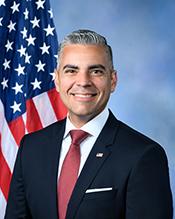
United States · Official source
23 July 2026 · United States · United States Congress
23 July 2026 · United States · United States Congress
22 July 2026 · United States · United States Congress
22 July 2026 · United States · United States Congress
22 July 2026 · United States · United States Congress
22 July 2026 · United States · United States Congress
22 July 2026 · United States · United States Congress
22 July 2026 · United States · United States Congress
22 July 2026 · United States · United States Congress
22 July 2026 · United States · United States Congress
21 July 2026 · United States · United States Congress
20 July 2026 · United States · United States Congress
20 July 2026 · United States · United States Congress
16 July 2026 · United States · United States Congress
16 July 2026 · United States · United States Congress
15 July 2026 · United States · United States Congress
15 July 2026 · United States · United States Congress
14 July 2026 · United States · United States Congress
14 July 2026 · United States · United States Congress
14 July 2026 · United States · United States Congress
Showing the 24 most recent votes of 1,206. Browse the full list
United States · United States Congress · 13 August 2026
United States · United States Congress · 22 July 2026
United States · United States Congress · 16 July 2026
United States · United States Congress · 15 July 2026
United States · United States Congress · 14 July 2026
United States · United States Congress · 14 July 2026
United States · United States Congress · 13 July 2026
United States · United States Congress · 25 June 2026
United States · United States Congress · 23 June 2026
United States · United States Congress · 11 June 2026
United States · United States Congress · 10 June 2026
Take Care of America's Veterans Act This bill addresses veterans’ benefits, health care, counseling, Department of Veterans Affairs (VA) personnel, VA infrastructure, and the Veterans Community Care Program (VCCP). The bill modifies various compensation programs for veterans, including by (1) allowing concurrent receipt of disability compensation and military retired pay for certain retirees with a combat-related disability, (2) extending entitlement for various benefits and services to remarried surviving spouses, (3) increasing the rate of dependency and indemnity compensation, and (4) establishing a supplemental monthly allowance for certain disabled veterans. The bill also addresses VA education and training benefits, including by (1) modifying which independent study programs are covered under veterans’ educational assistance benefits, (2) requiring Transition Assistance Program counseling to include a presentation about VA benefits, and (3) increasing the housing allowance rate for individuals pursuing apprenticeships. The bill revises health care provisions, including by (1) expanding support and assistance provided to family caregivers, (2) extending the Staff Sergeant Parker Gordon Fox Suicide Prevention Grant Program, and (3) expanding the scope of VA mental health research. Among other elements, the bill revises VA disability ratings for sleep apnea and tinnitus; expands eligibility for a memorial headstone or marker for the spouse, surviving spouse, child, or dependent of a veteran or member of the Armed Forces; addresses the administration of the VCCP and codifies the eligibility standards; establishes a standardized screening process for priority or routine admission to certain mental health care programs; and addresses VA personnel, hiring, and infrastructure matters.
United States · United States Congress · 10 June 2026
United States · United States Congress · 9 June 2026
United States · United States Congress · 4 June 2026
Public Lands Integrity Act This bill generally prohibits provisions that result in the sale, disposal, or transfer of federal lands from being included in reconciliation legislation by requiring the provisions to be considered extraneous under the Senate's Byrd Rule. The Senate's Byrd Rule (named after it's principal author, Senator Robert Byrd of West Virginia) prohibits the inclusion of matter in reconciliation legislation that is extraneous to a congressional committee's reconciliation directives in the associated congressional budget resolution. Reconciliation is an expedited method by which Congress may adopt changes in spending and revenue laws to achieve the budgetary goals reflected in a congressional budget resolution. Reconciliation bills are considered by Congress using expedited legislative procedures that prevent a filibuster and restrict amendments in the Senate. For additional information, see CRS Report R48640, The Senate’s Byrd Rule: Frequently Asked Questions.
United States · United States Congress · 22 May 2026
United States · United States Congress · 15 May 2026
United States · United States Congress · 13 May 2026
United States · United States Congress · 12 May 2026
United States · United States Congress · 4 May 2026
This resolution expresses support for police officers and other law enforcement personnel. The resolution further recognizes law enforcement officers across the United States in the pursuit of preserving safe and secure communities; the need to ensure that such officers have the equipment, training, and resources necessary to protect their health and safety while they are protecting the public; and the law enforcement community for acts of sacrifice and heroism. The resolution expresses condolences and appreciation to the loved ones of each law enforcement officer who has made the ultimate sacrifice in the line of duty.
United States · United States Congress · 27 April 2026
United States · United States Congress · 23 April 2026
Kayleigh’s Law Act of 2026 This bill establishes a federal statutory framework to require federal courts to issue an order prohibiting contact with a victim (i.e., a no-contact order) in the case of a defendant who is convicted of certain violent crimes or sex crimes. Specifically, in the case of a defendant convicted of a felony offense that is a crime of violence or that involves a sexual act or sexual conduct, on a motion by the victim or federal government, the court must issue a no-contact order. Under the framework, the no-contact order must be imposed at sentencing and be in effect for the lifetime of the defendant unless it is terminated or suspended in accordance with specified procedures. Additionally, no fee may be assessed or collected from a victim in connection with the issuance of a no-contact order.
United States · United States Congress · 20 April 2026
United States · United States Congress · 20 April 2026
United States · United States Congress · 20 April 2026
Showing the 24 most recent records of 737. Browse the full list